Johns Hopkins study finds vitamin D deficiency linked to about 23 minutes less sleep
The study of 460 adults found an association, but cannot show that vitamin D deficiency causes poor sleep.
Adults with vitamin D deficiency slept about 23 minutes less each night than those with normal levels, a Johns Hopkins-led study of people 40 and older found.
The researchers also found that higher vitamin D levels were associated with briefer periods awake at night. Dividing participants into three groups by vitamin D level, they found the top group slept nearly 20 minutes longer nightly than the bottom group.
Both poor sleep and vitamin D deficiency are widespread in older adults, and earlier research has connected sleep disturbances with increased risks of dementia, heart disease and diabetes.
"These findings suggest that we should investigate more thoroughly whether boosting vitamin D levels can improve sleep health," said senior author Adam Spira of the Johns Hopkins Bloomberg School of Public Health.
The Bloomberg School conducted the study with the National Institute on Aging. The findings appeared in October in The Journals of Gerontology.
The team examined sleep records and blood tests for 460 adults, averaging about 71 years of age. The Baltimore Longitudinal Study of Aging collected the data between 2012 and 2019.
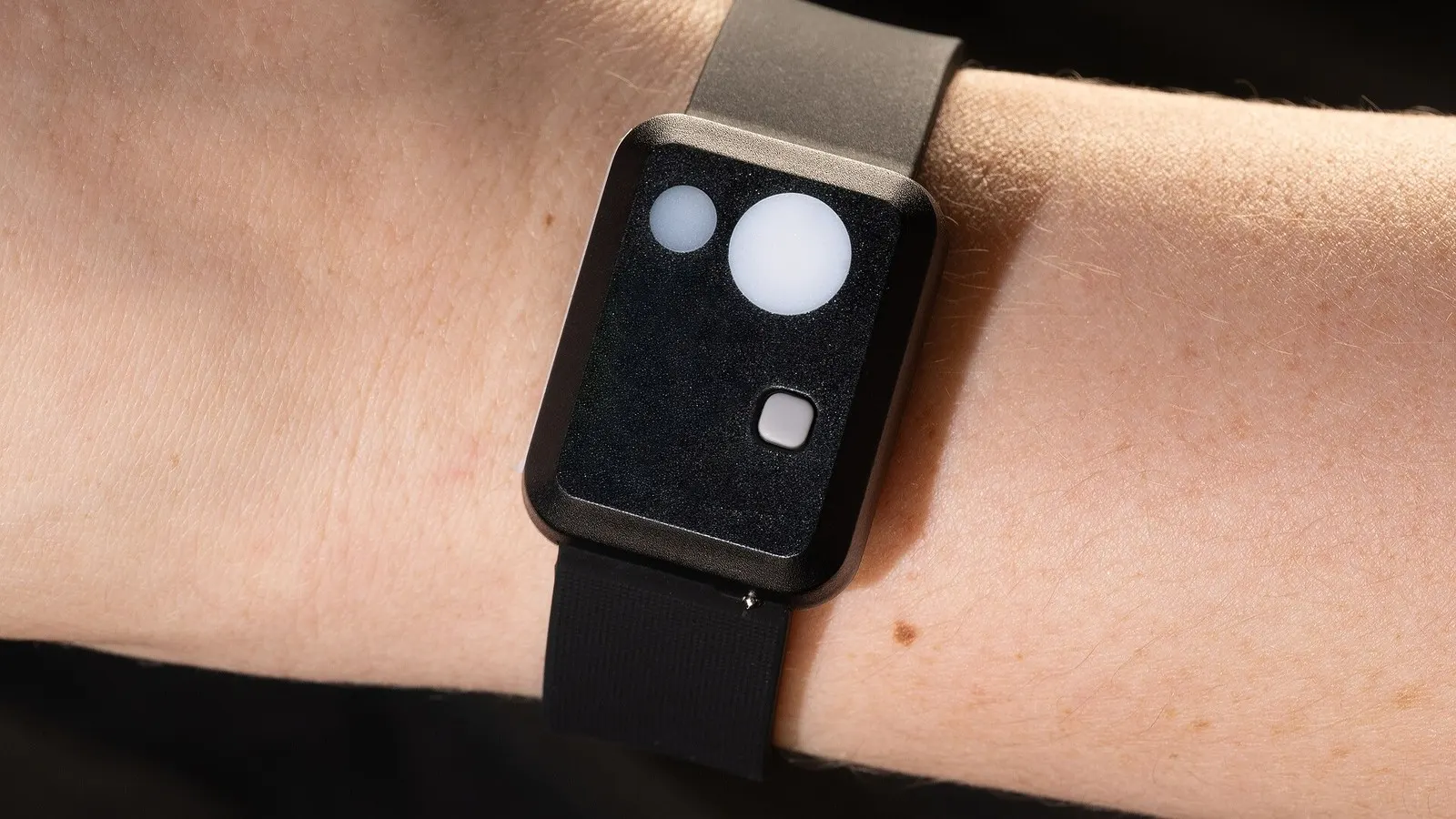
Participants gave blood samples for vitamin testing and wore actigraphs, watch-like instruments that use movement to record when people sleep and wake.
The connection between vitamin D and sleep appeared strongest among Black participants, who accounted for about 22% of the group, the researchers said. The race analyses were exploratory, according to Avono Health's account of the paper.
The statistical test showed a racial difference solely in the comparison involving the middle third, and the authors wrote that the result needs replication, Avono Health reported.
"Black adults in the United States have a higher prevalence of vitamin D deficiency and sleep disturbances compared to White adults, and may benefit more from increasing vitamin D levels," said lead author Diefei Chen, an epidemiology doctoral candidate at the Bloomberg School.
The authors said their study cannot establish that a vitamin D deficiency causes poor sleep or that supplements will remedy it. Blood testing cannot tell whether vitamin D came from sunlight, food or supplements, so the researchers could not determine whether its source matters.
The findings may not apply to younger people or adults with memory and thinking problems, since everyone studied was at least 40 and had no cognitive impairment, Fox News reported.
Dr. Hanul Bhandari, a neurologist in San Antonio, Texas, told Newsweek that "vitamin D receptors are found in regions of the brain involved in regulating sleep" and that the vitamin might influence pathways involving serotonin and melatonin.
An extra 20 minutes of nightly sleep "could certainly add up over the course of several months," Bhandari said. Whether it affects long-term health depends on a person's previous sleep duration and quality, he said.
"Vitamin D supplements shouldn't be used specifically to treat sleep problems without medical supervision," Bhandari said.
"Some vitamin D trials have shown benefits to sleep, while others have not," he said, adding that taking excessive vitamin D supplements can be harmful.