Hospitality consultant Shane Green says hotels must look beyond AI efficiency
A Mews survey found 89% of travelers wanted AI to work alongside human service or handle repetitive tasks behind the scenes.
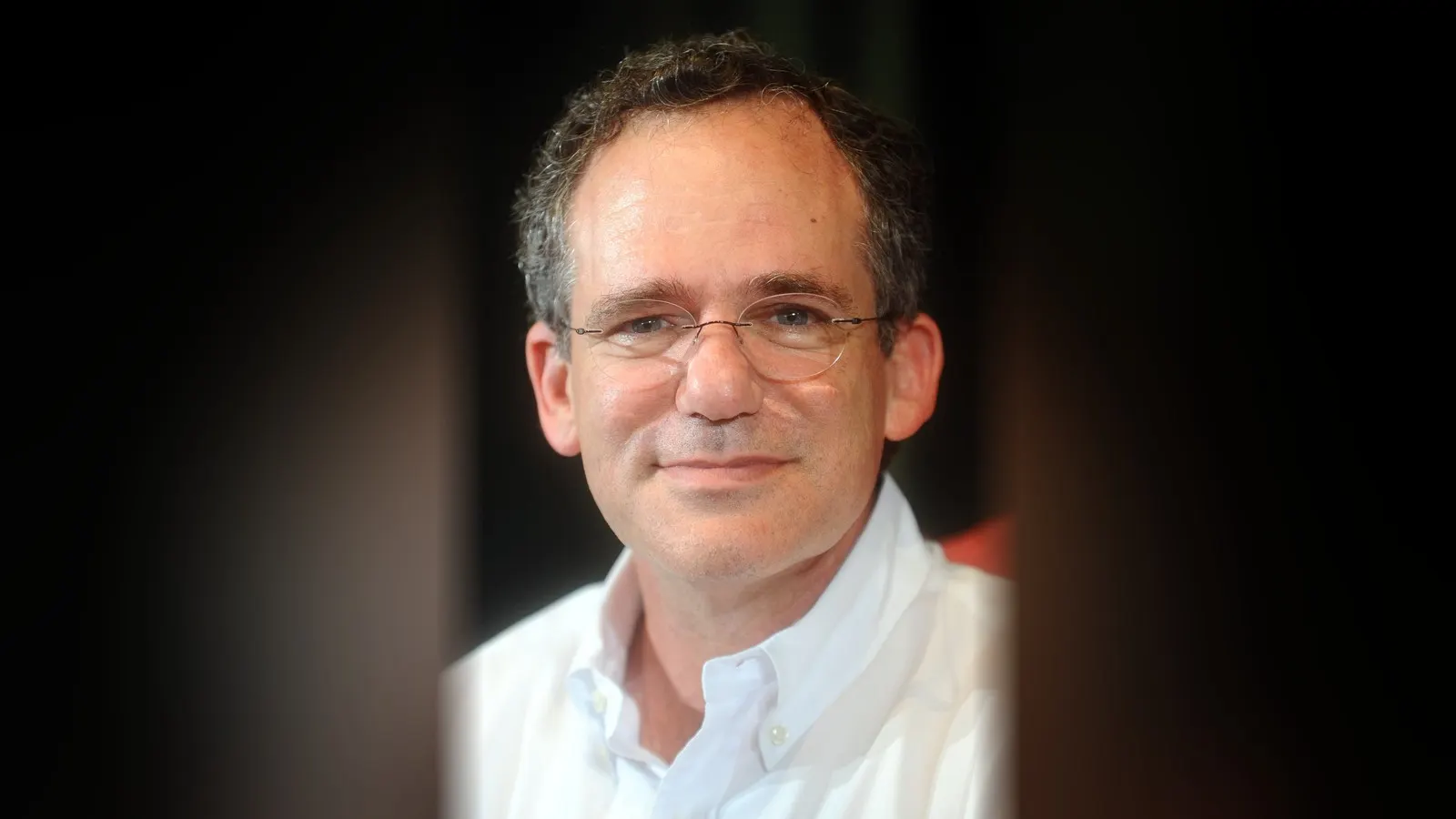
Consultant Shane Green said on the Disruption Interruption podcast that hotels adopting artificial intelligence must look beyond efficiency and invest in human hospitality. Quicker service alone will not make a stay memorable, he argued.
Green, president and founder of customer experience and culture consultancy SGEi, discussed what hotels should measure and what workers need to create memorable stays with host Karla Jo Helms. Green, a speaker and author, has advised brands across hospitality and other service-driven industries on leadership and employee experience.
"We're surrounded by more technology, AI, and everything," Green said during the episode. He added, "Let's get back to being human."
Helms is chief evangelist and anti-PR strategist at JOTO PR Disruptors. The episode is titled "Disrupting Luxury Hospitality: Why Technology Can't Replace the Human Touch with Shane Green."
A press release for the episode was issued Thursday from Tampa Bay, Florida, and cited an October Mews survey of 3,250 travelers across eight countries.
In that survey, 89% wanted AI to work alongside human service or handle repetitive tasks behind the scenes. Three in four said human staff remain essential to good hospitality.
The check-in clock
Green separates service from hospitality. "Service is the transactional delivery of something," he said. In his framework, hospitality depends on how staff make a guest feel while performing a task, and the overall experience takes shape over time.
A front desk worker, for instance, might learn to complete check-in within three minutes and provide the right key, Green said.
But Green said the length of check-in does not matter, whether it takes one minute, five or 10. "I only care that you feel welcome," he said.
As the release summarized Green's view, hotel training often prioritizes measurable service standards over interpersonal skills. Green said hotels may have to teach conversation and other social skills rather than assume new employees already possess them.
He also considered hotels' relationships with their cities. Green argued that large chains can appeal to business travelers seeking convenience and predictable service, whereas leisure guests may favor boutique hotels with closer local ties.
A local following can bring boutique hotels year-round business at their restaurants and spas, Green said, as well as recommendations to friends and relatives visiting residents.
"You have to be a local's favorite first," Green said.
Green works with hotel operators through SGEi to map the stages of a guest's stay. His team examines required service standards and finds opportunities to personalize encounters, while training staff to read guest cues and step back when appropriate.
"You have to have consistency because experience is the culmination of a number of interactions," Green said.
Preparing managers
Green argues that hotels frequently promote employees for operational expertise without equipping them to lead people. He wants prospective managers to learn how to motivate and develop staff before receiving a management title.
That preparation should include handling stress and maintaining the energy needed to supervise teams, Green said. When managers care for their teams, he said, "They'll take care of your customer."
Alison McKie, general manager of the Radisson Collection Hotel, Waterfront Cape Town, has wondered whether hotels' growing use of technology will make personal attention an extra-cost service, Trade & Taste reported.
"Or it goes the other way, and people just want no friction and nobody hovering. I honestly don’t know. I run a hotel, so I’m biased toward believing people matter," McKie said, according to Trade & Taste.