Hepatitis B vaccination among newborns fell to 65.6%, study finds
The birth-dose rate also fell among babies whose mothers tested positive for hepatitis B, reaching 93.9% in early 2026.
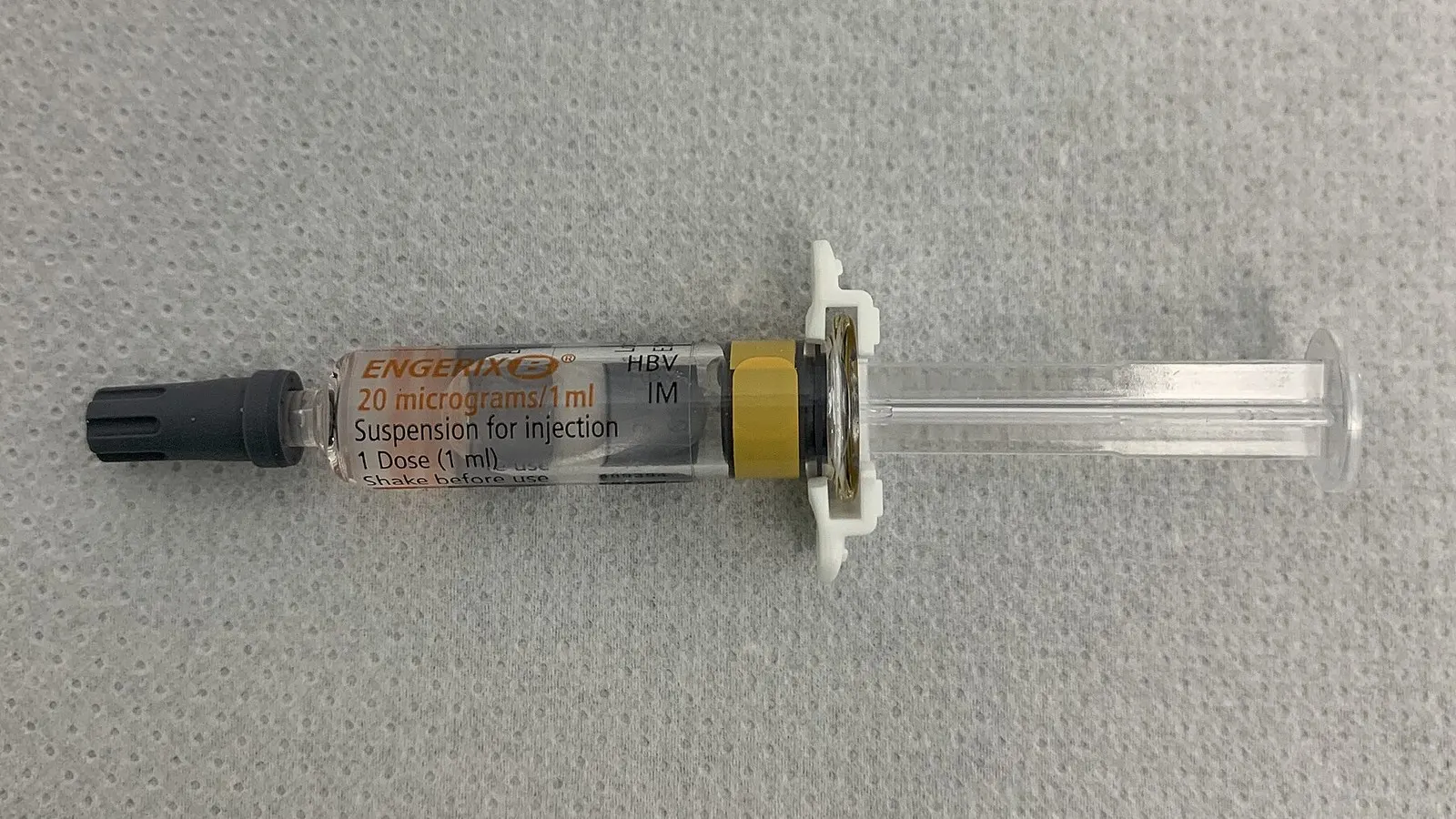
Hepatitis B vaccination among US newborns within a day of birth fell to 65.6% by June 2026 after rising through 2022, a Truveta study published Tuesday found.
The decline reached infants whose mothers had tested positive for hepatitis B. From 2020 through 2025, 97% to 98% of those babies received the birth dose, but the researchers found the rate dropped to 93.9% in the first six months of 2026.
“It's shocking to see a nearly 15% decline in three years,” said Nina Masters, the lead author and principal research scientist at Truveta. The study put the overall decrease at roughly 14 percentage points.
“Infants born to mothers with hepatitis B have a 90% chance of perinatal infection,” Masters said. “That can mean a lifetime of chronic liver disease, cirrhosis and early death. This is a real preventable tragedy.”
Hepatitis B is an incurable infection that can cause liver disease. A mother can transmit it to her child during birth, and the shot provides a safety net, particularly when a mother does not know she is infected.
The overall vaccination rate climbed from 76% in 2018 to 80% in 2022, then began falling in mid-2023. Truveta said the downturn started nearly three years before federal vaccine advisers altered the universal birth-dose recommendation.
Truveta, a health care data and analytics company based in Bellevue, Washington, and owned by U.S. health systems, analyzed de-identified electronic health records for 1,338,961 infants born to more than 1 million mothers. For the NEJM Evidence study, its researchers connected mothers’ and infants’ records to examine prenatal hepatitis B screening and vaccination after delivery, the company said.
The researchers found no recorded hepatitis B test in about one in 10 pregnancies.
The researchers estimated that, across roughly 3.6 million U.S. births each year, the screening gap could affect 360,000 newborns annually. They estimated that more than 640 infants annually could have mothers whose infections were missed during pregnancy.
“No screening system is perfect,” Masters said in a Truveta statement. “That's why it's so concerning to see vaccination declining across the board, even among babies whose mothers have tested positive for hepatitis B.”
Dr. Richard Besser, a pediatrician and president of the Robert Wood Johnson Foundation, connected the findings with measles outbreaks. “We talk about measles being the canary in the coal mine. We're seeing those outbreaks,” he told NBC News.
“These are the kinds of things that are silent, that you don't see for years and years until these babies grow up and end up having liver disease,” Besser said of hepatitis B and the increase in unvaccinated newborns.
The CDC’s vaccine advisory panel voted in December 2025 to drop the decades-old recommendation that all babies receive a hepatitis B shot at birth. Scientific American reported that the panel instead advised parents to consult a health care provider on the timing of the first dose if the mother had tested negative for hepatitis B.
Health and Human Services Secretary Robert F. Kennedy Jr. chose the panel’s members, UPI reported.
Co-author Demetre C. Daskalakis, a former director of the CDC’s National Center for Immunization and Respiratory Diseases, said in Truveta’s statement that each data point “represents a real child who may be left vulnerable to a preventable disease.”
“At a time when vaccine policy is changing, we need more evidence guiding our decisions, not less,” Daskalakis said.
A federal judge temporarily blocked the advisers’ decisions in March 2026 after the American Academy of Pediatrics filed a lawsuit, restoring the previous recommendations. The block remains in effect during the litigation.