CDC estimates 2.6 million flu illnesses and 36,000 hospitalizations
Louisiana was the only state with very high flu activity, while the CDC estimated 36,000 hospitalizations nationwide.

The Centers for Disease Control and Prevention said U.S. flu activity is higher than usual for early November, with Louisiana the only state rated very high.
In the week ending Nov. 7, about 11% of clinical lab specimens tested for flu came back positive, a share that was rising. Flu-like symptoms accounted for more than 3% of doctors’ office visits.
The agency cautioned against drawing conclusions about the full season. "This early-season influenza activity is currently higher than typically observed at this time of year, but an earlier increase in activity does not necessarily lead to a higher seasonal peak or greater overall severity," the CDC said.
On the CDC map for that week, California, Tennessee, Oregon, South Carolina and Texas fell into the high category. New York, Massachusetts and Hawaii were in the moderate category.
Influenza A(H1N1)pdm09 appeared most frequently in the agency’s data for the week. The virus descends from the strain responsible for the 2009 swine flu pandemic and has circulated each season since.
"It is too early to know what viruses may predominate or to say whether there might be implications on flu vaccine effectiveness this season," the CDC said.
Since the season began in August, the agency estimates there have been 2.6 million flu illnesses and 36,000 hospitalizations. It estimates 2,100 deaths tied to flu, while five flu-associated deaths among children have been reported to the CDC.
At the same point in 2023, the last time the CDC provided season totals this early, there had been 780,000 illnesses. The agency also counted 8,000 hospitalizations and 490 deaths at that point.
The CDC has recorded some 24,000 positive flu tests since early October. During the equivalent period in past seasons, the number reached only a few thousand.
Dr. Fred Lopez, an infectious diseases specialist at LSU Health Sciences Center in New Orleans, told the Associated Press the season is "taking off in a direction that’s only likely to increase in the next month or two."
At an October media briefing, Dr. Anna Durbin of Johns Hopkins University said the flu hospitalization rate in mid-October was the highest in 15 years. "Because the flu season is starting a bit earlier, I think it's really important for everyone to get a flu vaccine as soon as possible," Durbin said at the briefing.
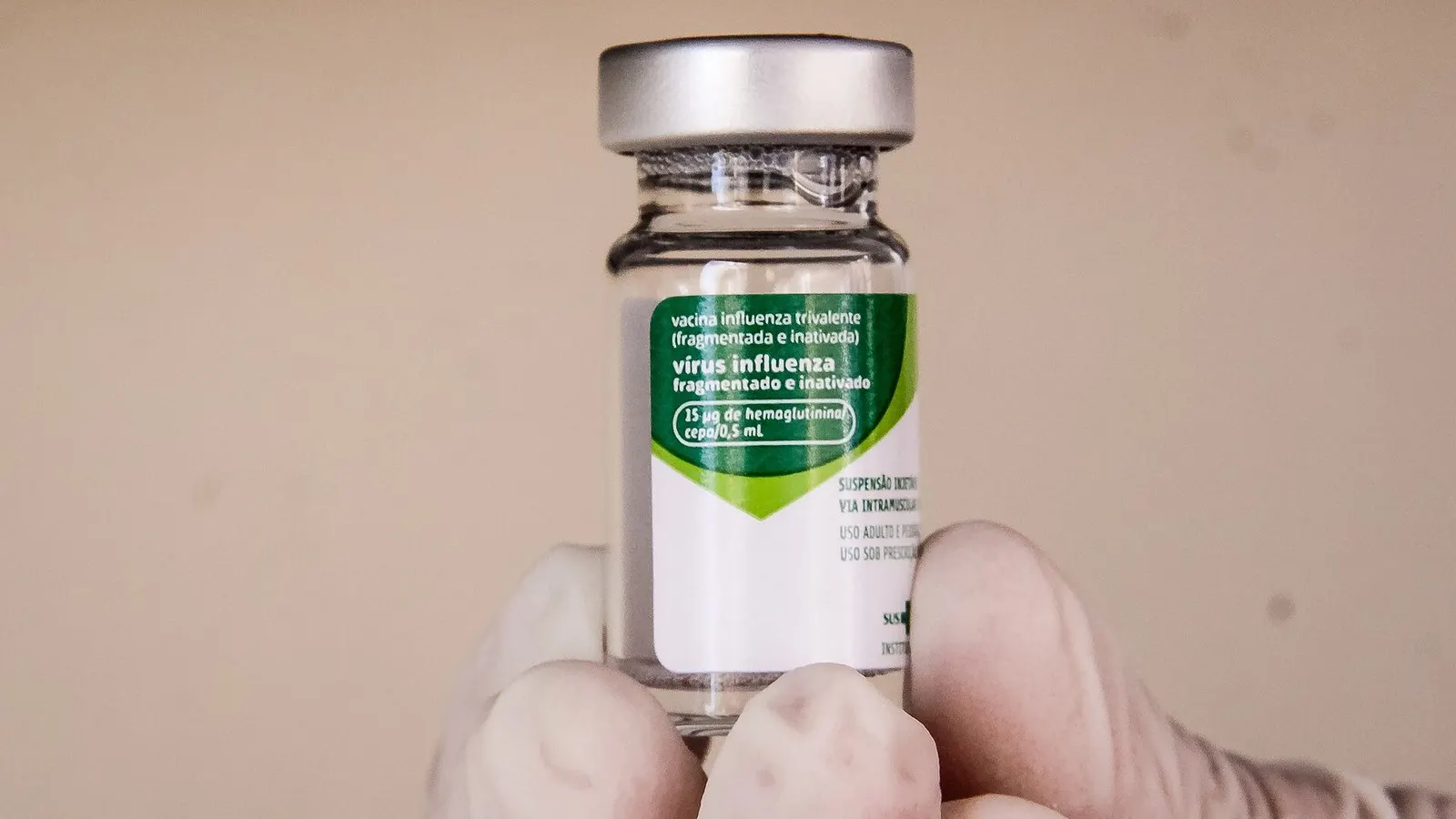
The CDC recommends a yearly flu vaccine for everyone 6 months and older. CDC data show less than 44% of Americans got a flu shot last year, compared with more than half in 2021.
Flu shots prevented an estimated 180,000 hospitalizations in the 2024-2025 season, and this year’s vaccines are expected to protect well against circulating variants, The Independent reported.
Dr. Michael Ben-Aderet of Cedars-Sinai Medical Center said in a September statement that "the flu shot remains the most powerful tool available to help prevent serious illness caused by the influenza virus."
For patients who become ill, the CDC says prescription antivirals can treat flu and should be started as early as possible, particularly for those at higher risk of complications.
In Louisiana, Dr. Taylor Conrad of LSU Health Shreveport advised people not to wait when they feel ill. "If you're starting to feel ill, it's important to try and get an appointment set up with your doctor and kind of see what it is," Conrad told KTAL/KMSS.
Doctors expect Thanksgiving travel and gatherings to spread flu and other respiratory viruses, Fox News reported. Flu commonly peaks between December and February, and activity rose sharply in late December last winter.
The CDC expects flu hospital admissions and emergency room visits to increase nationally by the end of the month, though it said the longer-term outlook is too early to determine.