Jury clears Huawei of racketeering but convicts it of bank fraud
The Chinese technology company plans to appeal; the timing of its appeal and the penalties it faces were not immediately known.
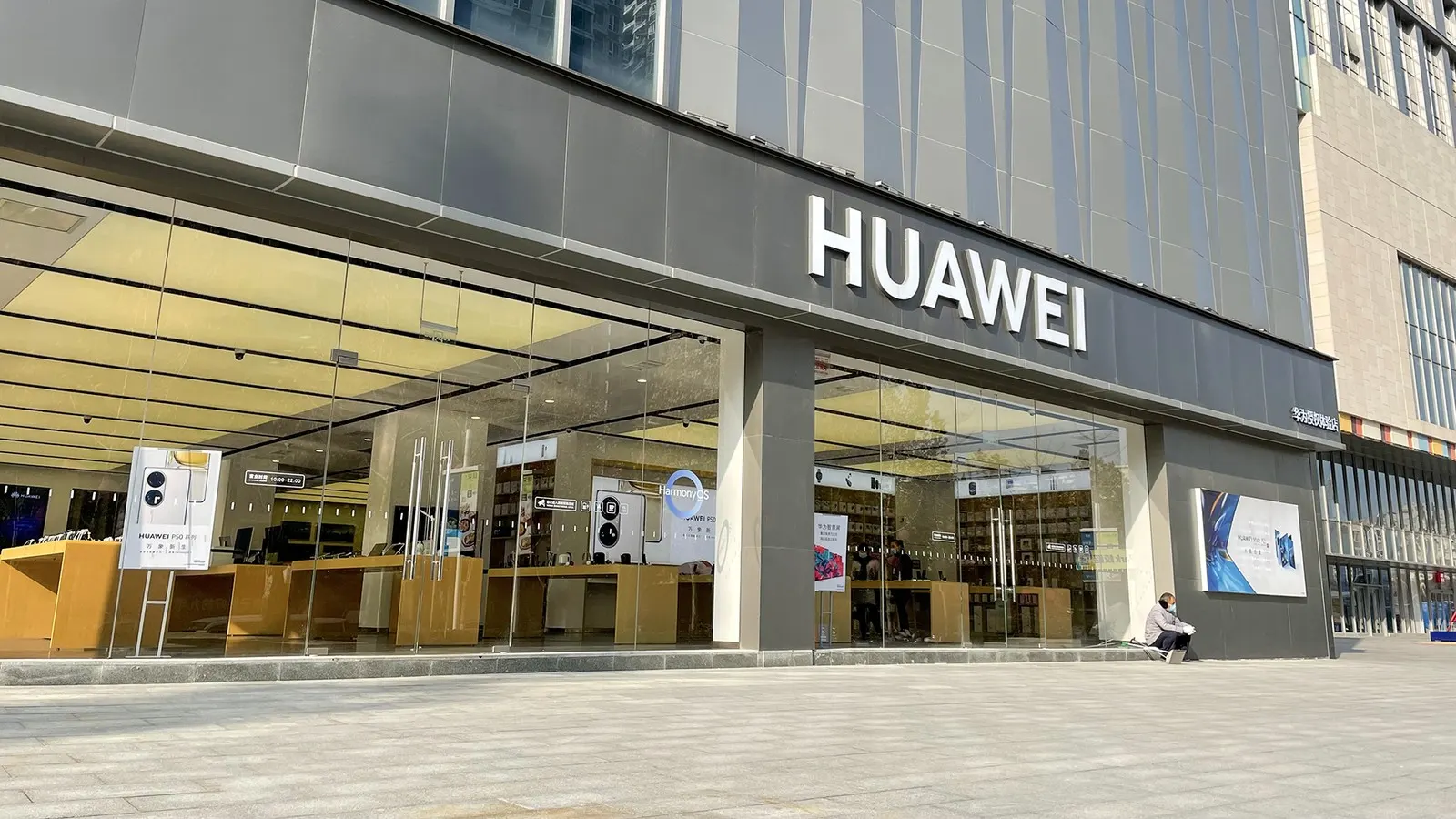
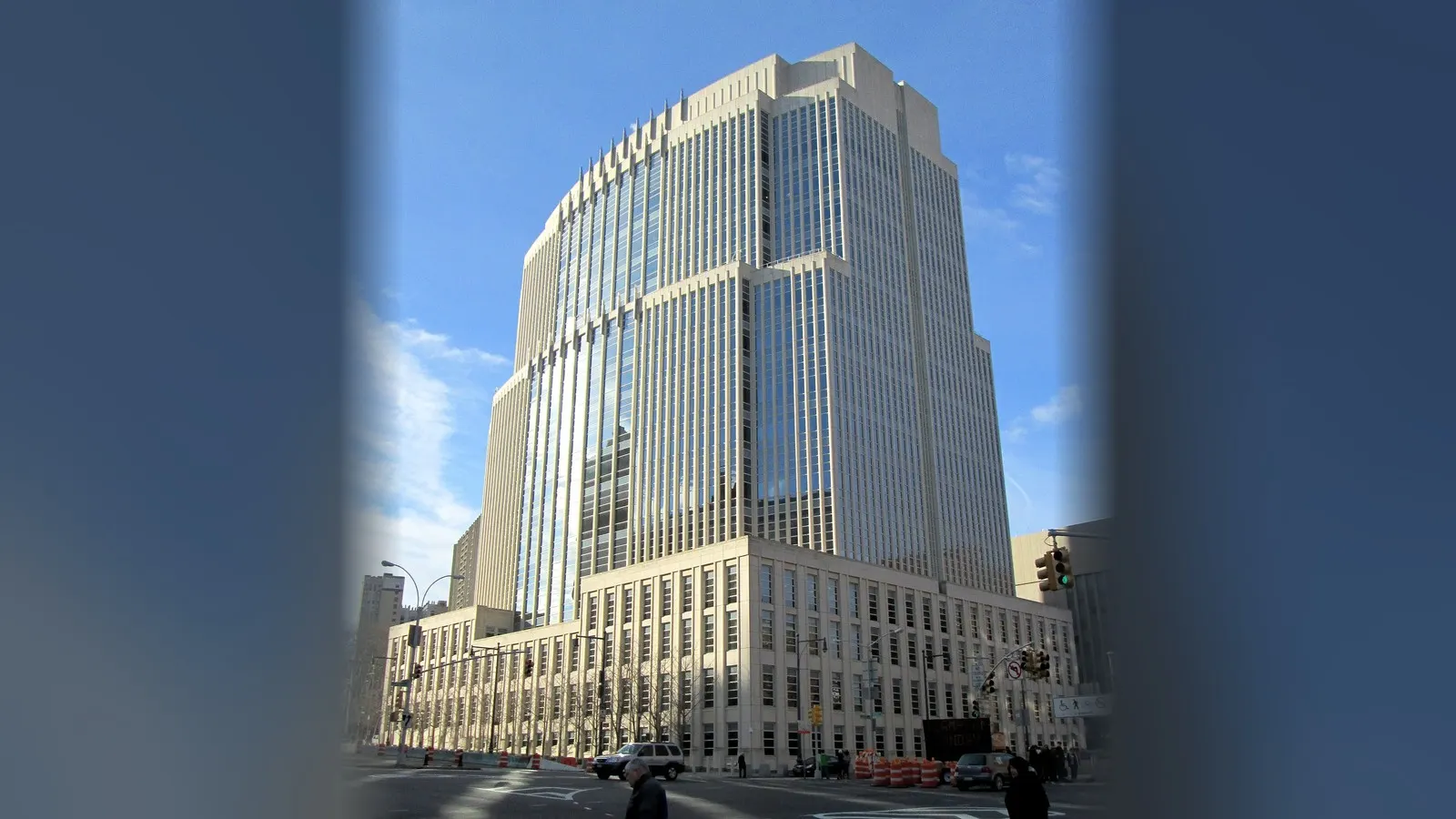
A federal jury in Brooklyn on Tuesday found Huawei guilty of bank fraud and conspiracy to steal trade secrets, but cleared the Chinese technology company of racketeering conspiracy, its most serious charge.
Huawei said in a statement that the acquittal "confirms that these allegations lack factual basis and vindicates our consistent position over the past eight years." The company will appeal its convictions, attorney Brian Heberlig said.
Prosecutors used the racketeering charge, typically brought in organized crime and drug cases, to accuse Huawei of illicitly stealing intellectual property from American companies. Outside court, Heberlig said, "That was the only count that brought all of the allegations together," adding that the verdict "repudiated the central government narrative in the case."
Trade-show allegation
The indictment said a person working for Huawei slipped into a rival's booth at a Chicago trade show to secretly photograph circuits inside another company's networking device. Prosecutors said a Huawei worker separately took a robotic arm from a competitor's lab so it could be photographed and measured.
At the two-month trial, prosecutors accused Huawei of repeatedly stealing technological secrets from rivals and partners both within and outside the U.S. Court records identify alleged victims including Cisco Systems, Motorola Solutions, T-Mobile, Quintel USA and Fujitsu.
Prosecutors also accused Huawei of business dealings in countries under U.S. sanctions, including Iran and North Korea, and of lying to U.S. officials and banks to conceal what they called misdeeds. Law360 reported that jurors also convicted Huawei of sanctions violations, while The Associated Press and BBC News listed only the trade secrets and bank fraud convictions.
Assistant U.S. attorney Meredith Arfa told jurors earlier in the trial, "The tone was set at the top by Huawei leaders and executives who themselves engaged in criminal conduct, like lying to Congress, lying to banks, violating U.S. sanctions and trying to interfere with the very criminal investigation that led to this case."
Defense case
"Huawei didn't steal its way to success," Heberlig told jurors earlier, during closing arguments. Huawei's lawyers said investigators built a false grand-conspiracy narrative from isolated wrongdoing by a few of its more than 200,000 employees.
In his earlier closing argument, Heberlig said much of the material Huawei allegedly stole was already public. "You can't steal a secret that isn't a secret," he said. He said prosecutors used "innuendo and facts ripped out of context" along with testimony from disgruntled ex-employees.
Prosecutors said Huawei once sold internet routers with source code copied from a competitor. Heberlig said that, after Cisco source code was found in Huawei software more than two decades ago, the company recalled routers sold in the U.S. and offered Cisco replacements.
Over time, Huawei paid billions of dollars for licenses, with 75% going to U.S. companies, and disciplined or dismissed employees found responsible for wrongdoing, Heberlig said.
Charges and restrictions
The U.S. announced criminal charges against Huawei in early 2019, then expanded the allegations. Security concerns have kept Huawei from selling equipment to U.S. carriers for years, while Canada and Britain have blacklisted it.
Chinese officials have accused the U.S. of "economic bullying" and using national security as a pretext to oppress Chinese companies.
The timing of Huawei's appeal and the penalties it faces were not immediately known.
Sources
- AP News: Chinese tech giant Huawei is guilty of conspiracy to steal trade secrets, US jury finds
- BBC News: Huawei found guilty of stealing trade secrets but acquitted of racketeering
- Law360: BREAKING: Huawei Convicted Of IP Theft, Sanctions Violations - Law360
- BBC News: Huawei found guilty of stealing trade secrets but acquitted of racketeering