Ashutosh Gowariker revisits 'Lagaan' 25 years after its release
At a Goa festival, Ashutosh Gowariker recalled how Aamir Khan went from rejecting 'Lagaan' to embracing its script.
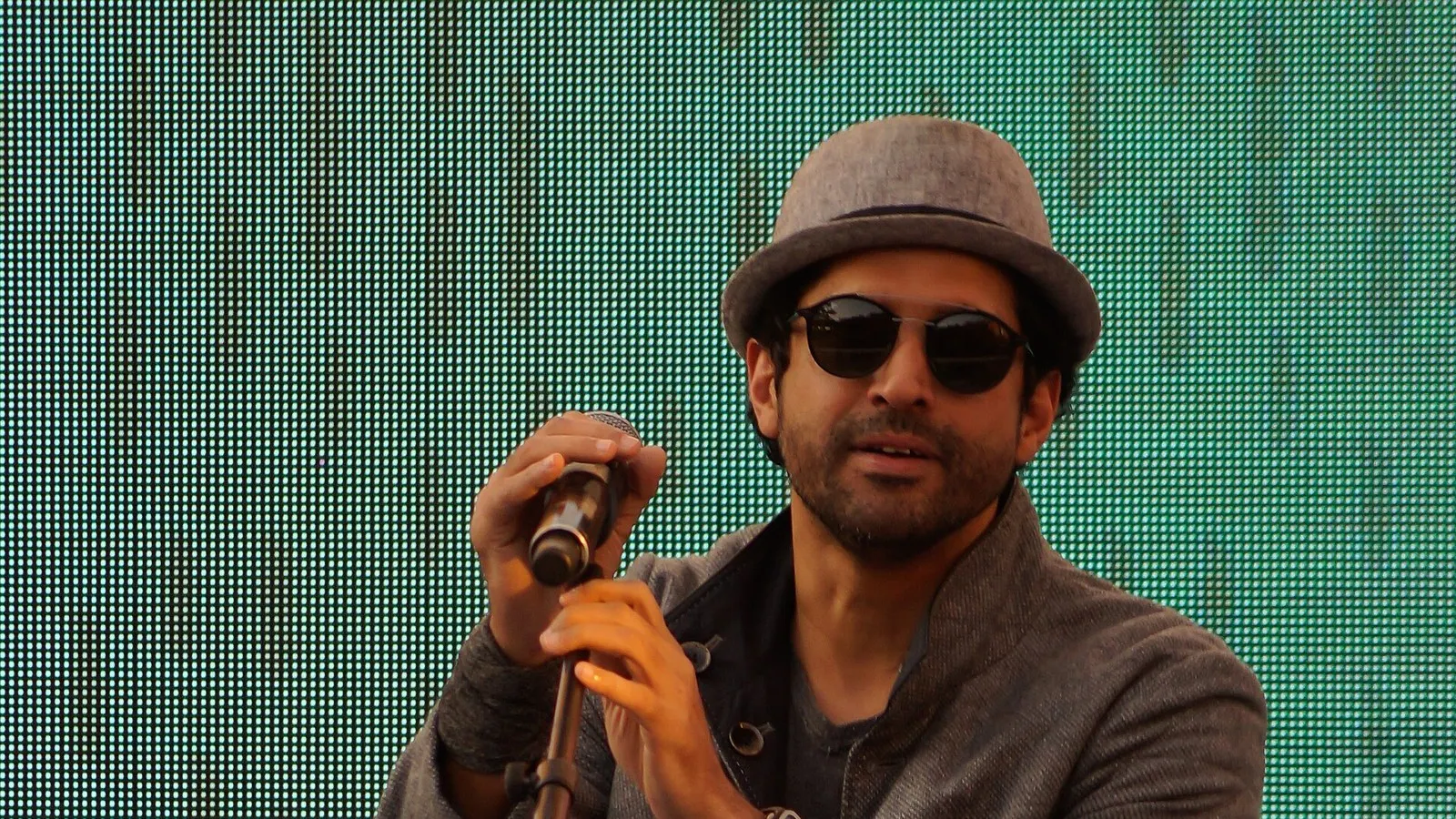
Farhan Akhtar, Ashutosh Gowariker and Madhur Bhandarkar revisited their 2001 films “Dil Chahta Hai,” “Lagaan” and “Chandni Bar” Friday at the International Film Festival of India in Goa.
Actor and producer Khushboo Sundar moderated “The Legendary 25s,” a session at the festival’s 57th edition marking 25 years since the releases. Gowariker is also this year’s festival director, and his “Lagaan” later received an Oscar nomination.
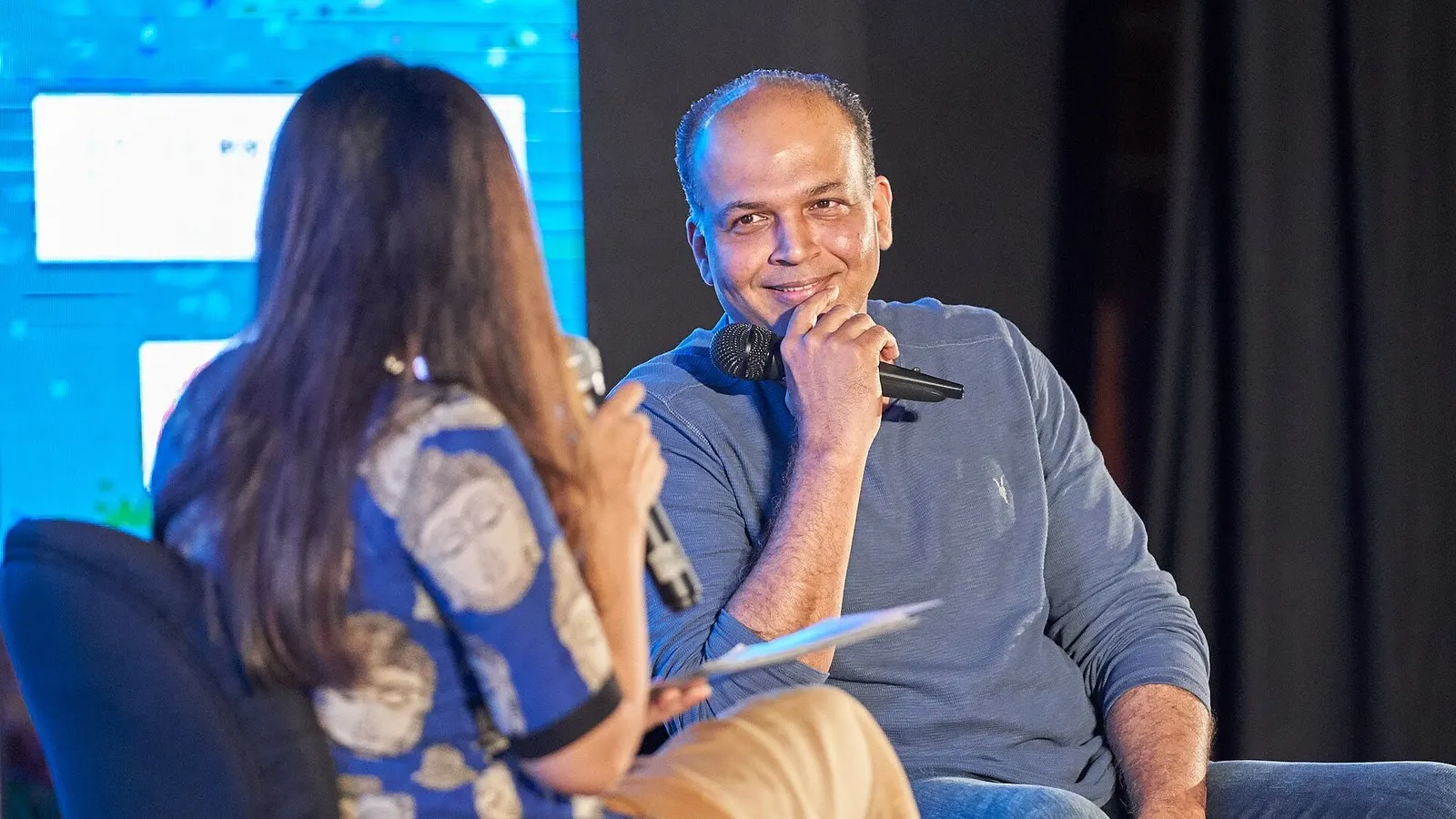
Gowariker’s first two films failed after he initially pursued commercial entertainment, Variety reported. He said that experience led him to realize “my next film had to be something I believe in, something that I want to make first, and then hope to God that the audience also likes it.”
“So that’s how the genesis of ‘Lagaan’ happened,” Gowariker said.
He researched the British Raj, 19th-century life, cricket and village communities before returning to Aamir Khan with the script. Khan had rejected the premise at first, and Gowariker asked him for just three hours to hear the narration before deciding.
Khan listened, Gowariker said. “He laughed, he had tears and he said, ‘I definitely want to do this now,’” Gowariker said.
Khan also appeared alongside Saif Ali Khan and Akshaye Khanna in the buddy movie “Dil Chahta Hai,” Akhtar’s directorial debut. Akhtar said he did not want to follow the prevailing Bollywood potboiler formula.
He said portrayals of male friendship in Hindi films did not reflect the way people actually spent time together. “The relationship had become cheesy, filmy,” Akhtar said.
The romance between an older woman and the character played by Khanna drew on Akhtar’s own experiences, he said. The story involving Khanna and Dimple Kapadia’s characters came “from many crushes that I had on older women, that’s the honest truth,” Akhtar said.
Bhandarkar found the subject for “Chandni Bar” on a dance bar visit with a friend. Tabu starred in the film, which Bhandarkar researched over six months of visits to dance bars across Mumbai.
“Even if, in retrospect, ‘Chandni Bar’ had not done well at the box office, I would still be happy because this is the cinema which I wanted to make, and this is the world which I’ve seen,” Bhandarkar said.
Bhandarkar has resisted commercial pressure to recast women-centered stories around men. Pointing to Tabu’s character and Raveena Tandon’s politically ambitious woman in “Satta,” he said complex women interest him more than idealized portrayals. He said cinema has always mirrored society and that he prefers exploring real life to creating an idealized reel life.
“AI and VFX can certainly enhance the visual experience and expand the possibilities of filmmaking, but they can never replace the human touch,” Bhandarkar said.
Akhtar criticized the industry’s focus on box-office figures. “Now the conversation is that I heard you had a great weekend,” he said. “But I would rather know what you thought of the film.”
Gowariker called each new film “a reset to zero.” Success measures have moved from silver and golden jubilees to 100-day runs and opening weekends, he said, making comparisons between films of different budgets and genres reductive.
Asked what he would change in “Lagaan,” Akhtar said he would leave it alone, though if he were the producer he would ask Gowariker to direct it again. Gowariker said he might add a soulful song to Bhandarkar’s film, while Bhandarkar said remaking either of the other two would be difficult.
Akhtar urged directors and writers to “keep an open heart and mind, and leave their ego behind.”
“Be fearless, believe in your vision and tell the story you truly want to tell,” he said.