John Travolta says he was 'soulless' in 'November 1963'
The actor said he needed a glass of wine and dinner to snap out of character after playing mobster Johnny Roselli.
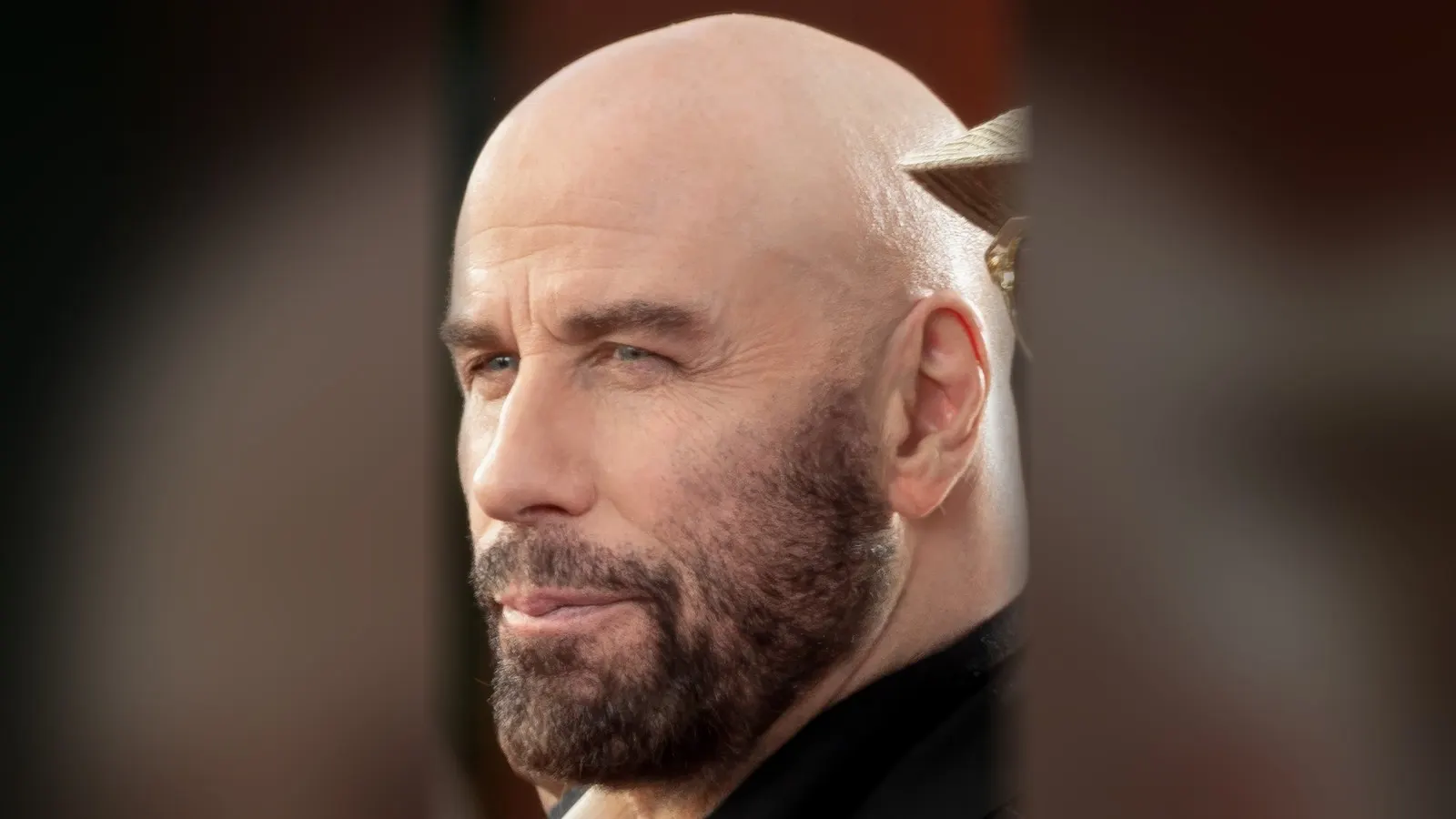
John Travolta told Variety he did not recognize himself in "November 1963," Roland Joffé's film about the JFK assassination, which opened the Torino Film Festival.
Travolta plays mobster Johnny Roselli, according to the Italian newspaper Giornale di Brescia. Variety described the film as imagining Roselli as a key triggerman on the Grassy Knoll, directly responsible for killing President John F. Kennedy.
The film also portrays slain Dallas police officer J.D. Tippit as a key conspirator, Variety said. Tippit's murder was attributed to Lee Harvey Oswald.
"When I looked at it on screen, I went, 'Oh my god, he's the devil,'" Travolta said after seeing his completed performance on Torino's opening night.
"I've never seen myself lose my soul in a film, and [here] I was soulless. I was very proud that I could portray that, because it's against my very essence," he said.
Travolta said Roselli asked Frank Sinatra to connect Kennedy with the mob and hooked Kennedy up with Marilyn Monroe.
The assassination still haunts Travolta. He was a nine-year-old second-grader in Englewood, New Jersey, when Kennedy was killed, and he recalled being sent home from school that day.
"We all went to our homes, and all I can remember is being home with my father, glued to the television, sitting on his lap and trying to make sense of it all," he told Variety. He called the assassination "the biggest crime of the century."
Travolta said the part required him "to play a very evil man with moments of humanity." "So it was harder to go home every night. It took a glass of wine and a nice dinner to snap out of the zone," he said.
"The actors were all suffering because everybody who was hired was a very decent person, and we all had to play, to some degree, people who were not," Travolta said.
"I've done dark subject matter before, but this was real. It actually happened, and that's the difference," he said.
Travolta said the film concerns human beings rather than history and that more of the story remains to be told. Variety said it puts the Chicago Outfit's role at the center, leaving CIA and government involvement for a possible follow-up.
Joffé offered his own assessment. "I'd say this story is probably 90% true, insofar as no one will ever know what really happened. What's most important to me is whether it's credible," he told Variety.
The director said he rejects the conspiracy theory and considers what happened collusion. "Collusion is subtle. It happens in the shadows. It's a nod, a wink, a knowing glance. It's putting a gun in the right place," he said.
Joffé argued that the CIA and organized crime had already cooperated on plots to kill Fidel Castro, with no need for a committee to plan Kennedy's assassination. "We made a film about chaos," he said.
Variety reported that relatives of Chicago crime boss Sam Giancana wrote and produced the film, while Italian daily Leggo said Roselli's great-nephew wrote its screenplay.
The film's official Instagram account posted on Oct. 27 that "November 1963" is "In theaters December 4."
A post shared by November 1963 Movie (@november1963movie) on Instagram