Taipei Mayor Chiang Wan-an wins another term as Puma Shen concedes
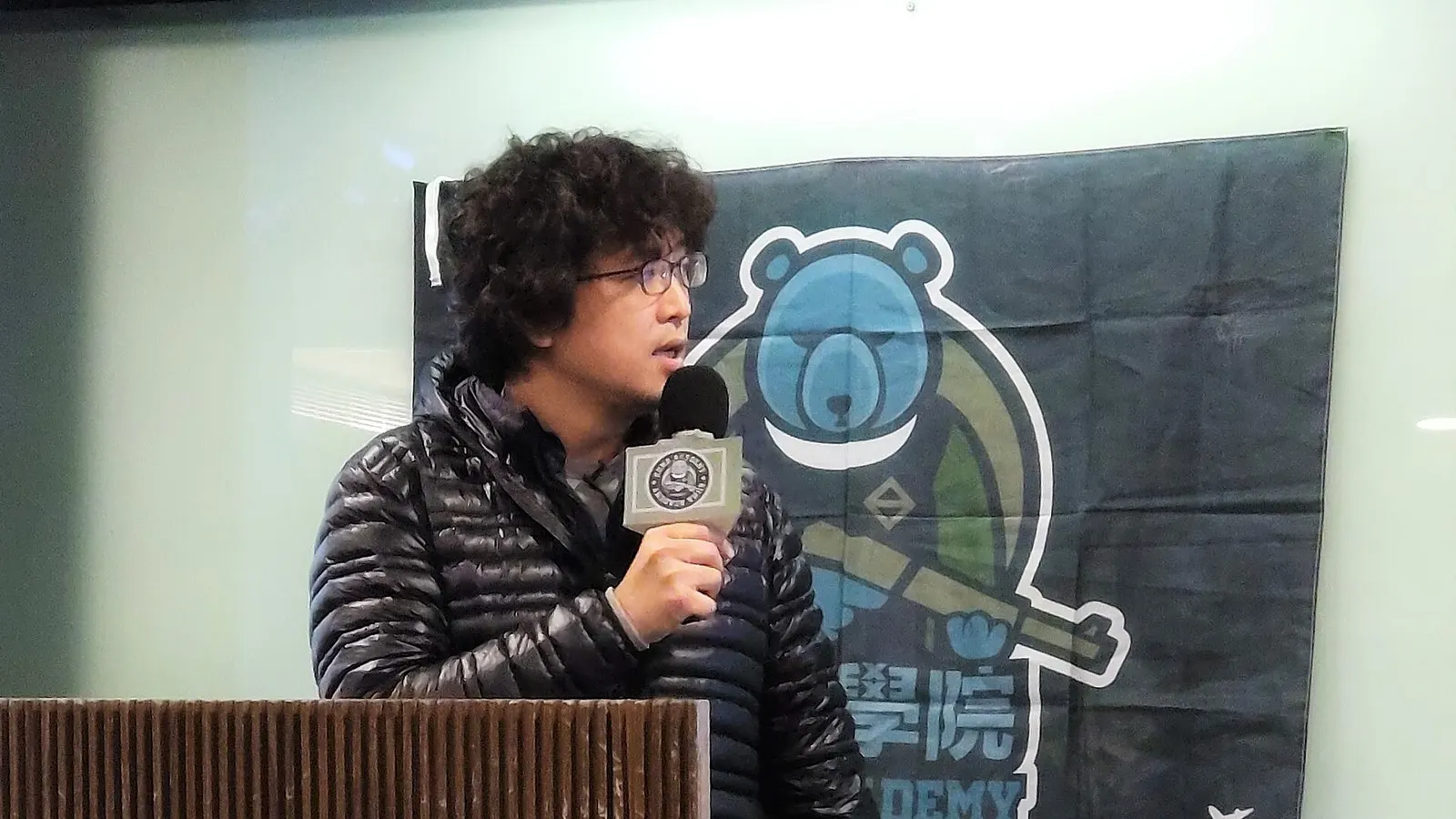
Taipei Mayor Chiang Wan-an, the Kuomintang (KMT) incumbent, won another term Saturday when Democratic Progressive Party (DPP) challenger Puma Shen conceded in Taiwan's nationwide local elections.
Taiwan's electoral authorities put Chiang at about 53.8% and Shen at 45.6% in a partial count covering most polling stations.
The victory leaves the capital under KMT control. Taipei has not elected a DPP mayor since 1994, and its 72.13% turnout was the highest among the six special municipalities.
In surveys conducted in the weeks before election day, Shen had narrowed Chiang's lead or moved slightly ahead, Channel NewsAsia reported.
Less than four hours after voting ended, Shen appeared onstage before thousands of supporters. "The result is already out - I lost," he told the crowd. Supporters called back, "No, you didn't!"
"I know there's many people crying here," Shen said. "I want to thank every person who voted for me," he added. He said he had phoned Chiang with congratulations.
Shen asked supporters to trust the poll monitors and the counting process, saying the result was real. "We can lose an election, but we must not lose Taiwan's democracy," he said.
President Lai Ching-te attended Shen's election-night event and said the result had fallen short of expectations, urging supporters to turn their sadness into strength.
Chiang thanked Shen and Chiang's own supporters in his victory speech, saying, "Together, we have made this a celebration of democracy." He thanked Taichung Mayor Lu Shiow-yen for leading his campaign headquarters at a crucial time, and became emotional as he thanked his wife at the speech's end.
Chiang, 47, first won office in a three-way race, receiving 42.29% of the vote in 2022.
A criminologist and former civil defense activist, Shen, 44, entered the legislature in 2024. He has spoken out against Chinese interference operations targeting Taiwan. His campaign called for more trees and a more responsive city government.
Beijing has called Shen a separatist and barred him from China. Chinese authorities have sanctioned Shen and begun investigating his activities, The Associated Press reported.
Taichung goes to the DPP
Candidates declared KMT victories in Taipei, New Taipei and Taoyuan, while DPP candidates declared wins in Taichung, Tainan and Kaohsiung, giving each party three special municipalities. The Central Election Commission, which has the final word, had yet to announce the results.
Channel NewsAsia called Taichung the night's biggest upset, with outgoing KMT Mayor Lu viewed as a possible presidential candidate in 2028. "Losing her home base, she now needs the support of a lot of KMT heavyweights to back her presidential push," said Lev Nachman, a political science professor at National Taiwan University.
Channel NewsAsia counted 10 cities and counties where the KMT had declared wins so far, and nine claimed by the DPP; an independent won Hsinchu City.
The KMT took 14 city and county seats in the 2022 local elections, compared with five for the DPP.
Former KMT adviser Albert Tzeng told AFP that polls had underestimated KMT voters, according to Channel NewsAsia. "The interesting part is that the strongest force that mobilised them (to vote) is not the campaign of the KMT, but the reaction to the aggressive presence of Shen's supporters," Tzeng said.
China and the vote
Taiwan's government warned that China had tried to influence the elections through tactics including "cognitive warfare" and "transnational repression." Taiwanese authorities accused Beijing of seeking to undermine trust in the electoral system, an allegation Chinese authorities rejected, the AP reported.
Between Friday and Saturday, approximately 33 Chinese warplanes operated toward or around Taiwan, Taiwan's Ministry of National Defense said.
The KMT traditionally favors closer relations with Beijing, whereas the governing DPP rejects China's sovereignty claims. Campaigns nevertheless centered on local concerns, including transport and childcare, rather than relations with China.
About 11,000 positions, including mayoral and council seats, were decided in the elections. Voters also cast ballots on a referendum to overturn a policy banning nuclear power. The referendum's outcome was not immediately known.
Taiwan will hold its next presidential election in January 2028.