Argentina's deputies vote 141-0 to stop central bank lending to state
The charter makes preserving the peso's value the bank's primary mission, but leaves out Milei's proposed safeguard for its governor.
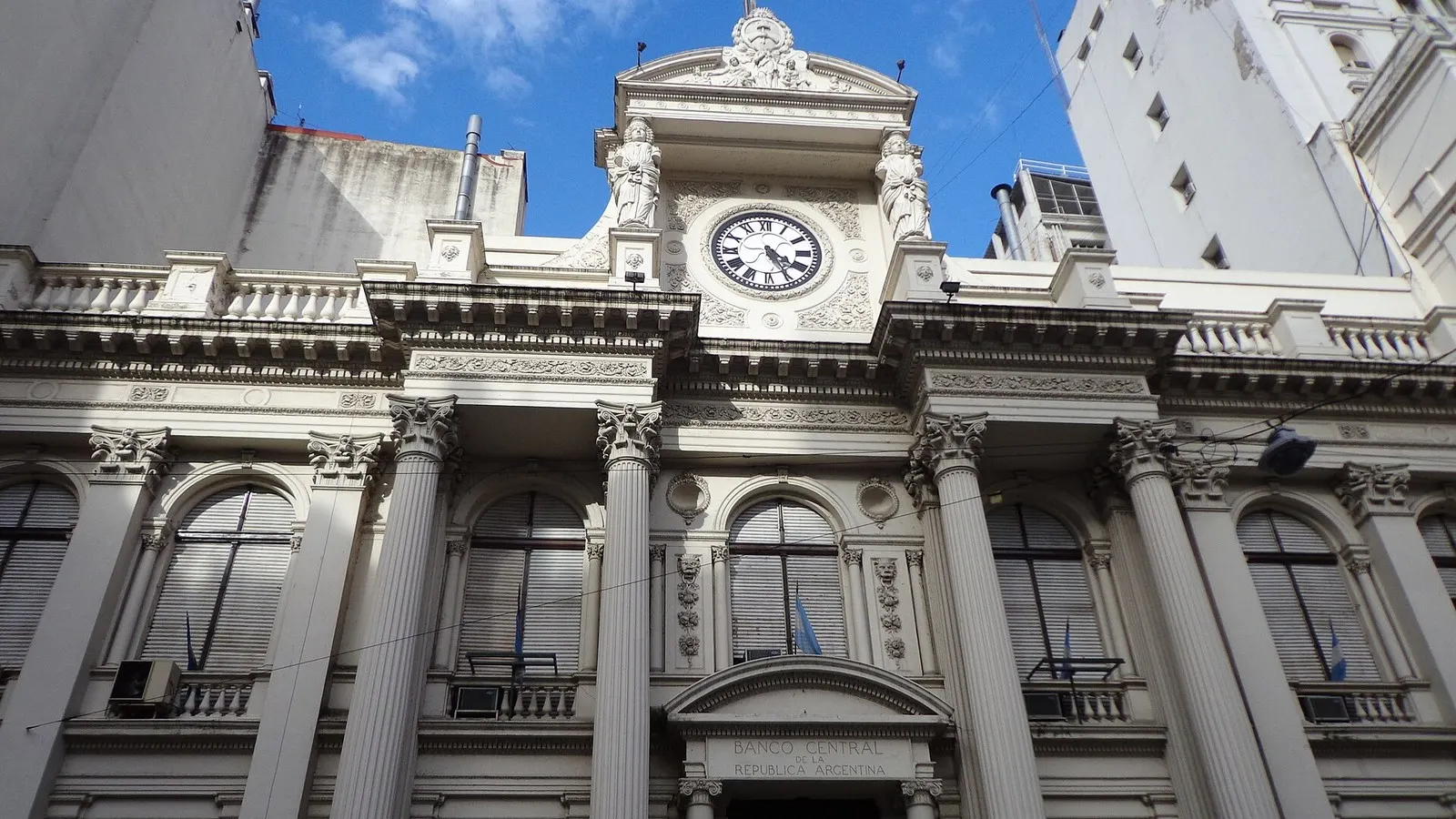
Argentina's Chamber of Deputies approved a law Thursday barring the central bank from printing money to pay government bills. That practice had fueled repeated currency crises.
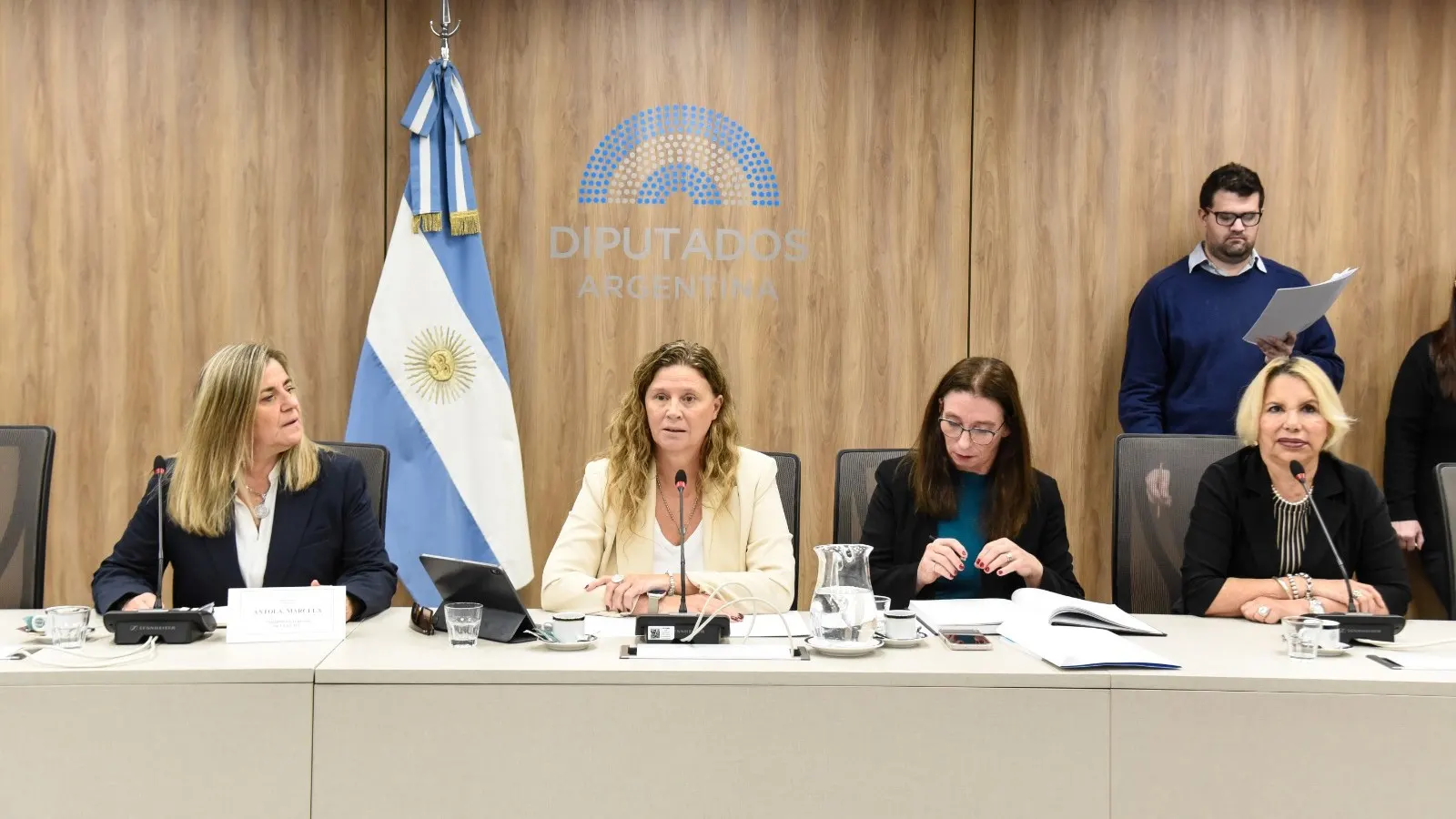
The Senate took up a separate measure Thursday, voting 43-29 to suspend mandatory presidential primaries and sending the bill to the lower house.
The central bank law passed the lower chamber 141-0, with 99 abstentions. Its new charter makes preserving the peso's value the bank's "primary and fundamental mission" and bars lending to any level of government or other Treasury financing.
The charter removes employment and economic development goals added under former President Cristina Fernández de Kirchner. President Javier Milei's office said the law ends "91 years of plunder, expropriation, impunity and institutional decay" at the bank, founded in 1935. "This marks the end of nearly two decades of political manipulation at the Central Bank," the office said.

Milei had sought another safeguard. His original proposal would have required approval from two-thirds of each congressional chamber to remove the bank's governor. The Senate struck that clause when it passed the bill earlier, and the Chamber of Deputies lacked the votes to reinstate it Thursday.
A president can now replace the bank's leadership with a simple Senate majority. Santiago Bausili, whom Milei appointed, is its current governor.
The charter keeps currency controls with the bank but gives it no clear rule for responding to inflation.
Inflation falls as economy contracts
Milei campaigned in 2023 on a promise to abolish the central bank and replace the peso with the U.S. dollar. During the past three years in office, he has reduced public spending and turned Argentina's chronic fiscal deficits into a surplus.
Annual inflation dropped from nearly 300% in early 2024 to 33% in October. But poverty has surged under Milei's leadership, Al Jazeera reported.
Official data released Tuesday showed an estimated 1.8% economic contraction in the third quarter, following a 0.6% decline in the second. Two consecutive quarters of decline usually define a recession.
The premium investors demand for holding Argentine bonds has risen to more than twice its early August level, according to JPMorgan. Argentina has had nine debt defaults. Investors are weighing whether the Peronists could regain power and reverse Milei's market-friendly reforms.
Senate advances primaries bill
The Senate's primaries vote had no abstentions. Milei's government says the mandatory contests waste public money on a process parties should conduct themselves.
Buenos Aires province Gov. Axel Kicillof, a potential Peronist challenger to Milei, wrote on X that "Milei now wants to change the rules of democracy to improve his chances of reelection by cheating."
Members of Milei's La Libertad Avanza party said the measure would simplify elections, while opponents warned of a potential erosion of democratic norms. The bill would also cut public financing for political parties and end a mandatory presidential debate before general elections.
Peronist leaders have resisted the change, which would leave their movement to negotiate a ticket privately or hold its own primary, The Associated Press reported. The news agency assessed that suspending the primaries, long a general-election bellwether, would spare Milei an early voter verdict. A poor result could unsettle markets, weaken the peso and reduce his support.
Patricia Bullrich, Milei's top senator, said in an interview earlier this week that the party had the votes to pass the bill in the lower house, Bloomberg reported. The measure narrowly cleared a Senate committee the week before Thursday's floor vote.
Argentina's next presidential election is scheduled for Oct. 24, less than a year away. Milei is expected to seek a second four-year term.