Ali Kololo says he 'will never be the same' as he sues Met Police
A Kenyan court overturned Kololo's conviction after more than a decade in prison; the Met is fighting his compensation claim.
Ali Kololo, a Kenyan man freed after a death sentence over a 2011 attack, told BBC News in his first media interview that a London detective’s evidence destroyed his life.
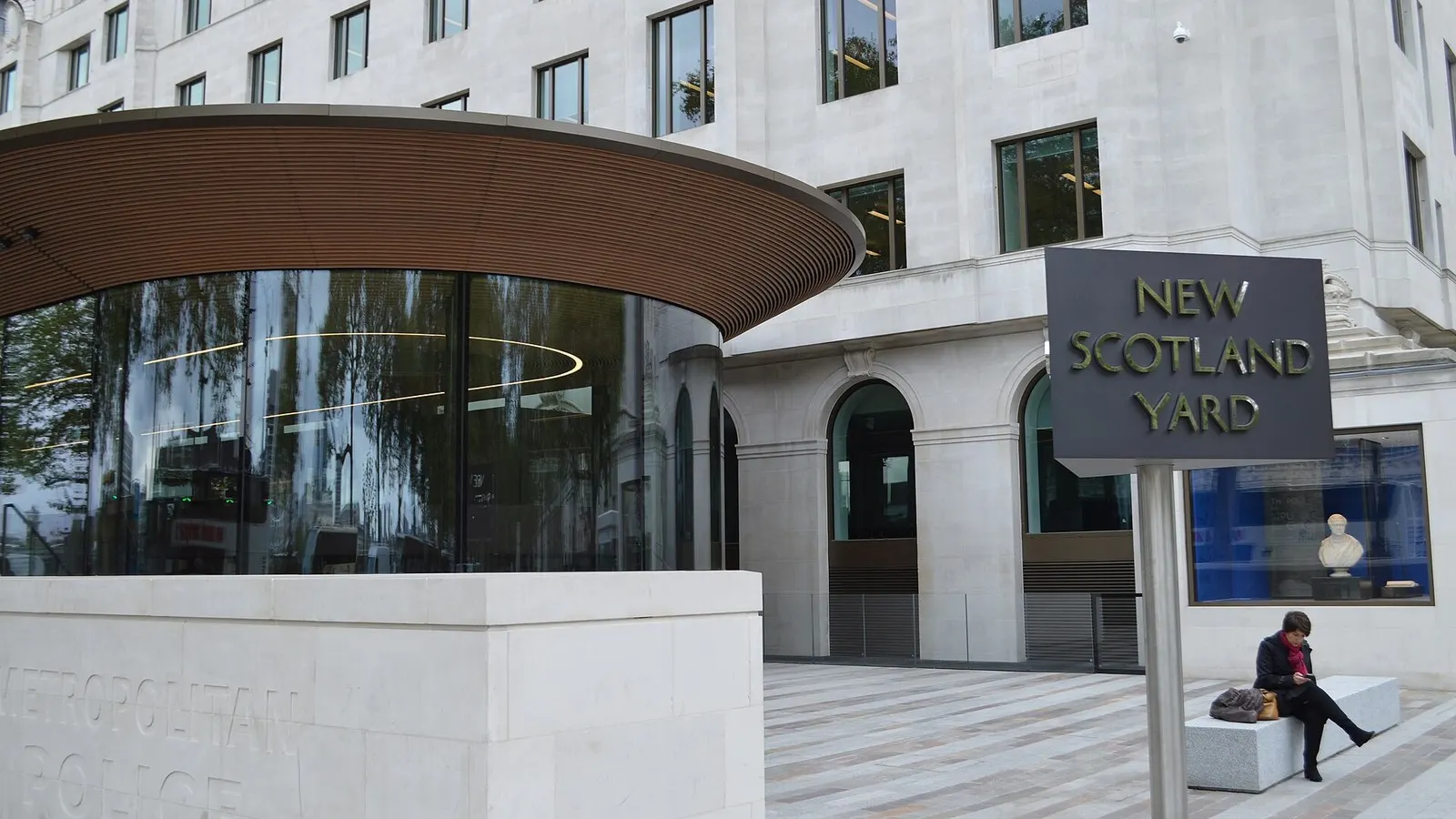
Kololo is suing the Metropolitan Police, alleging former Detective Superintendent Neil Hibberd gave misleading trial evidence and acted unlawfully to obtain his conviction. The force is fighting the compensation claim and has neither apologised nor acknowledged wrongdoing. Kololo’s lawyers say a resolution could take years.
In 2011, Somali gunmen entered David and Judith Tebbutt’s beach bungalow on Kenya’s coast, fatally shot David Tebbutt and kidnapped his wife. A court in Lamu sentenced Kololo to "death" in 2013. He remembers finding "death" written in the expiry-date space on his prison file.

"They collaborated to incriminate me. What [Hibberd] said destroyed my entire life and my children's lives," Kololo told the BBC.
After three years on death row, Kololo had his sentence changed to life imprisonment. He had spent more than a decade in prison when Kenya’s High Court overturned his conviction in April 2023, citing doubts about the prosecution’s evidence.
Kenyan police arrested Kololo within 24 hours of the attack. He had previously been a groundskeeper at the resort, though in 2011 he made a living cutting down trees and selling wood.
"They beat me for days, burning me with cigarettes, forcing me to confess to things," he told the BBC. Kololo said officers made him put his thumbprint on a statement that accused him of leading the attackers to the Tebbutts; he could neither read nor write.
Kenyan police told the BBC the force "at all times strives to work within the law." Kololo’s lawsuit is not against them.
Shoe evidence at trial
Hibberd led a team of Met officers who arrived days after the attack, the BBC reported. The UK government had instructed the officers not to accept information Kenyan authorities obtained through detainee interrogations.
The BBC reported that Hibberd requested Kololo’s statement and subsequently relied on it in his prosecution testimony. He told the court that Kololo had worn a type of shoe matching marks in the resort’s sand, although the arresting officer said Kololo had no shoes on when handed over to police.
Watchdog finding
The Independent Office for Police Conduct (IOPC) found that Hibberd did not disclose the Met’s forensic examination could not determine whether the shoe had made those marks. The watchdog found he would have had a gross misconduct case to answer, though his retirement prevented disciplinary proceedings. When the report came out, Hibberd’s lawyer said he absolutely disagreed with its findings.
The Met told BBC News that neither the force nor Hibberd wished to comment on Kololo’s claim. "Our thoughts are with Mr Kololo, Mrs Tebbutt, her family and all those who have been affected by this terrible crime," the force said.
Preetha Gopalan, Reprieve’s head of UK litigation, called the Met’s conduct "egregious." "They've spent 10 years trying to evade accountability in every way possible, now dragging him through the courts," she told the BBC.
Judith Tebbutt told the BBC in 2022 that Scotland Yard had made Kololo a scapegoat. "He was not there on the night. He was not part of the group that held me," she said.
After Kololo went to prison, his wife divorced him and their children left school because the family could not afford fees. He now lives alone in a mud hut and is too frail to cut wood. "Even if I get a billion shillings, I will never be the same," he told the BBC.
Reprieve cites Kololo’s case in its campaign against police misconduct immunity. The charity says an October 2025 Court of Appeal judgement effectively shields police from accountability in civil courts, and the Supreme Court is considering the case.