Senegal's 1-0 win over Morocco stands as court restores title
CAS reversed CAF's decision to award Morocco a 3-0 default win; any challenge to the ruling would face limited grounds.
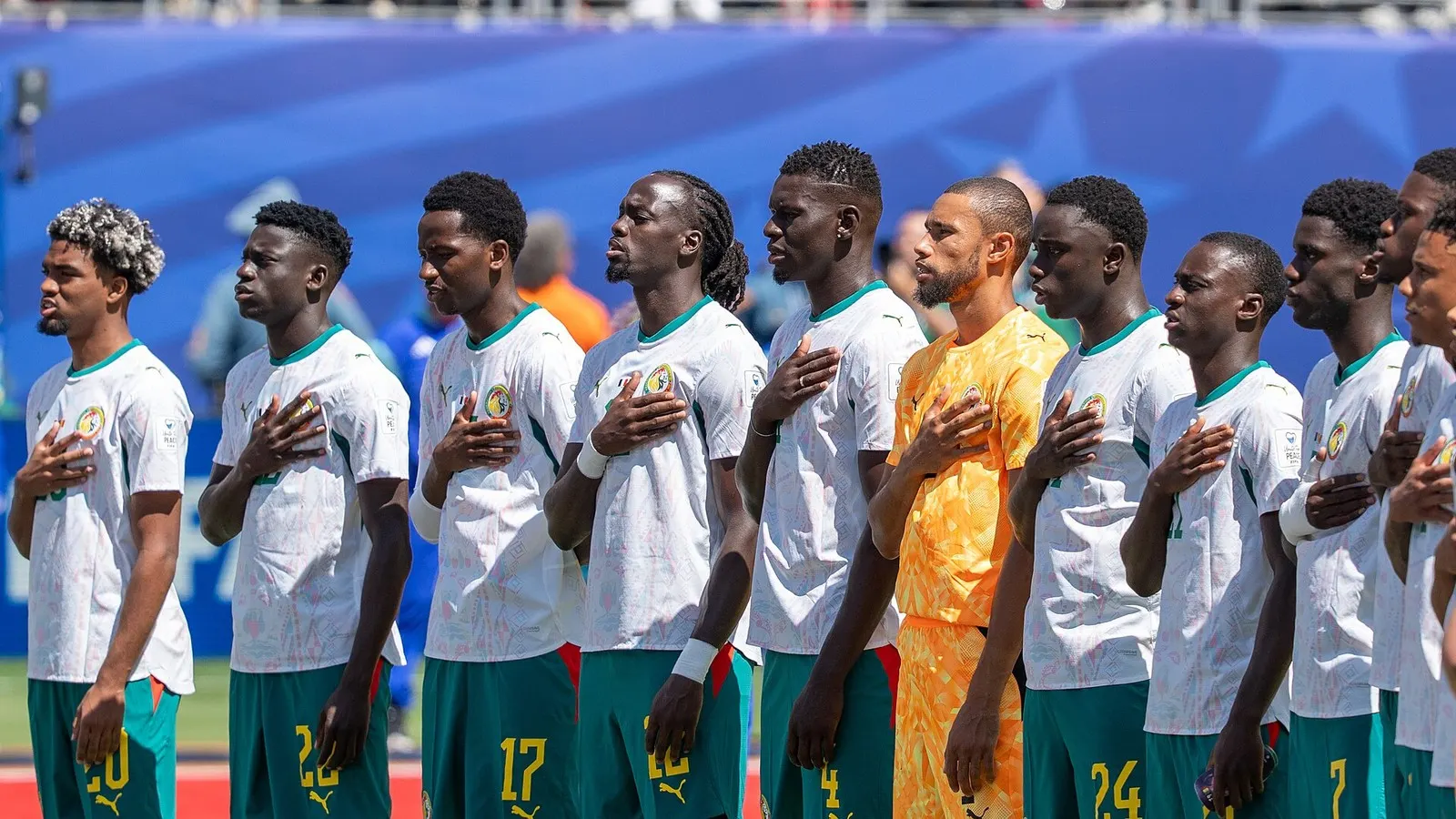
Senegal regained the 2025 Africa Cup of Nations title Tuesday when the Court of Arbitration for Sport overturned the decision awarding the championship to Morocco.
In January, Senegal defeated host nation Morocco 1-0 after extra time in the Rabat final, after its players walked off over a late penalty awarded to Morocco.
The three-judge CAS panel upheld referee Jean-Jacques Ndala's choice to resume play once Senegal came back, leaving the match result intact. The decision came 10 months after the final and reversed a March ruling by a Confederation of African Football (CAF) appeals panel that gave Morocco a 3-0 default win.
"By blowing his whistle to restart play, the referee considered that the conditions for resuming the match had been met - both teams were on the pitch again, and both expressed their willingness to resume," the court said.
The court said Ndala's decision "to resume the match or to stop it fell definitively within his sole authority," and that he "did not err in law" by restarting play. The court said the competition's forfeit rule applied only "when a team’s conduct leads the referee to call off the game permanently."
CAF's appeals board had reached a different conclusion, finding that Senegal broke competition rules by walking off in protest over the penalty. Its judges cited a regulation providing that if a team "refuses to play or leaves the ground before the regular end of the match without the authorisation of the referee, it shall be considered loser and shall be eliminated for good from the current competition."
Football's laws make referees' decisions final. France 24 reported that Senegal benefited from a strict application of the Laws of the Game, whereas Morocco would have won under a wider reading of the tournament rules.
CAS decisions may be contested at Switzerland's supreme court, though challenges are restricted to limited procedural grounds. It was not immediately known whether Morocco or its federation would bring such a challenge.

Walk-off and a saved penalty
The final featured disorder on the pitch and violent clashes among spectators, The Associated Press reported. The score stood at 0-0 when Senegal left the field, stopping play for 15 minutes.
As tension rose inside the stadium, forward Sadio Mané helped convince his teammates to go back, The Guardian reported. Ndala, who is from Congo, permitted the match to restart, and Morocco's Brahim Diaz saw his penalty saved.
Diaz tried a "Panenka" that landed in Senegal goalkeeper Edouard Mendy's arms, Yahoo Sports reported. In extra time, Pape Gueye scored the match's only goal for Senegal, known as the Teranga Lions.
CAF disciplinary judges levied fines totaling more than $1 million (£770,000) against the Senegal and Morocco federations, players and Senegal's then coach, Pape Thiaw, The Guardian reported. It was not known whether Tuesday's ruling affects those fines.
Hearing in Lausanne
Senegal's football federation took its appeal to CAS after the March ruling. On Oct. 8, three panel members heard the case in private during a one-day session in Lausanne, Switzerland.
CAS had promised to deliver its verdict by the end of November, along with a full written explanation of its reasoning.
Kenya, Uganda and Tanzania will co-host the next men's tournament, which begins in June.
Sources
- Yahoo! Sports: Senegal re-crowned Afcon champions after appeal upheld
- BBC News: Afcon 2025 final verdict: Senegal reinstated as winners by Cas
- France 24: Senegal regain AFCON title after successful appeal at sport arbitration court
- AP News: Africa Cup trophy given back to Senegal after CAS rules against Morocco
- The Guardian: Senegal restored as Africa Cup of Nations champions after court ruling