

Most Americans support requiring photo identification to vote, but Democrats in Congress are opposing a Republican-backed bill that would mandate proof of citizenship. This sets up a clash as the measure moves through the Senate ahead of the midterm elections
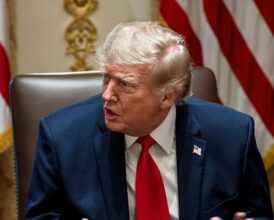
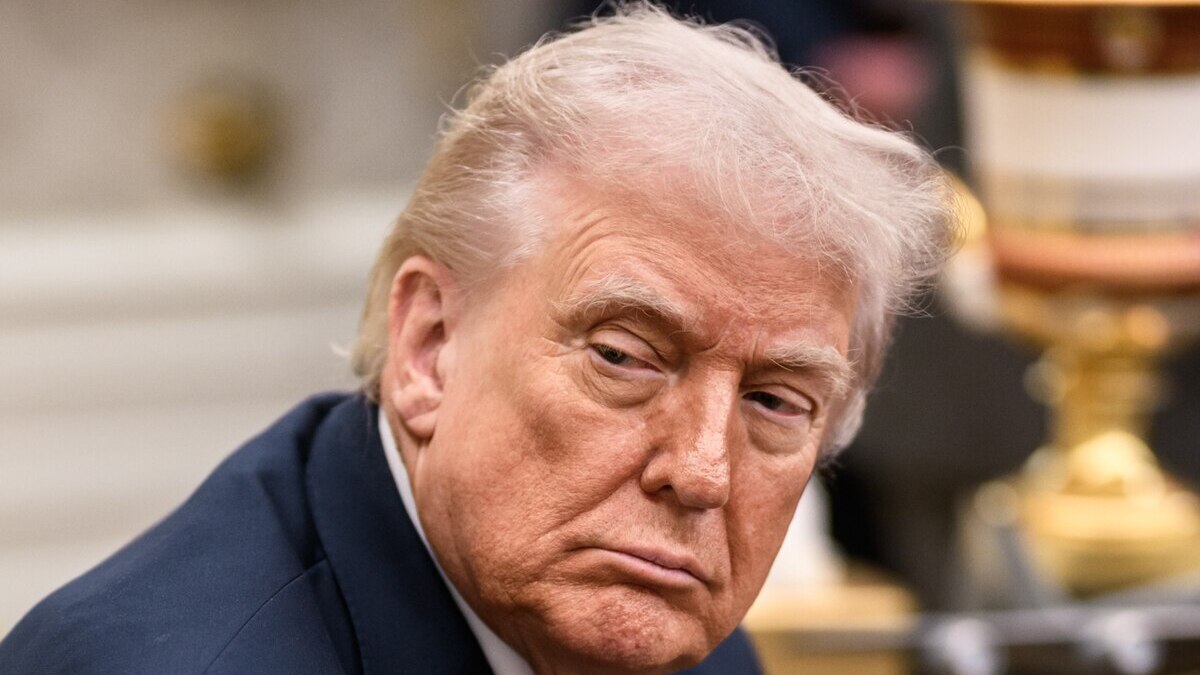
The bill, highly favored by President Donald Trump, is being pushed by Republicans as the Safeguard American Voter Eligibility, or SAVE Act. They argue it reflects public opinion on election rules. The legislation would require individuals to provide documentary proof of U.S. citizenship when registering to vote in federal elections. It would also establish stricter identification requirements nationwide, according to NBC News.
House Republicans passed the bill earlier this year, sending it to the Senate. GOP leaders are moving to force a vote there despite lacking the 60 votes needed to overcome a filibuster. Republicans present the proposal as a straightforward election safeguard and they are highlighting the polling that shows strong support for voter identification requirements among Americans.
Democrats have rejected the bill as they focus on its requirement for voters to present documents like passports or birth certificates to prove citizenship when registering. They claim this proposal could make it harder for eligible voters to access the ballot, especially those without ready access to official documents or whose ID records do not match their current legal names.
Next week, I will bring the SAVE America Act to the floor. Senate Democrats will be forced to defend their outrageous positions on these issues and explain to the American people why common sense and the Democrat Party have parted ways. pic.twitter.com/WrC6igztjN
— Leader John Thune (@LeaderJohnThune) March 12, 2026
According to NBC News, Democratic lawmakers have stated they do not oppose voter identification in general. However, they object to the structure of the SAVE Act, which ties registration eligibility to specific forms of documentation. Voting rights groups share these concerns, noting the potential barriers for certain groups, including low-income voters and those living in rural areas.
Democrats such as Senate Minority Leader Chuck Schumer have compared the SAVE America Act to Jim Crow laws. However, the report notes that Black voters are also in favor of photo IDs as they have become commonly used in normal activities in the nation.
The bill would require individuals to present proof of citizenship in person when registering to vote in federal elections. It would also limit the use of mail and online registration unless applicants provide the necessary documentation. States would need to verify voter rolls using federal databases, and election officials could face penalties for not complying with the new standards, per the report.
Supporters of the legislation argue that these requirements are needed to ensure that only U.S. citizens participate in federal elections. Opponents of the bill state that audits found instances of noncitizen voting to be rare and that there are already safeguards in place to prevent fraud.
HAPPENING SOON: Senate Republicans are expected to push for a test vote on the SAVE America Act today. “But Democrats are promising to SINK the bill.”
Chad Pergram: “We’ll know today if the Senate can even begin debate today on the SAVE America Act. The test vote comes this… pic.twitter.com/IwQkOsEzDE
— RedWave Press (@RedWavePress) March 17, 2026
The debate over the SAVE Act has become a key political issue ahead of the 2026 midterm elections. Republicans are using the measure to expose the gap between public opinion and Democrats’ stance on the issue. Meanwhile, Democrats continue to insist that the bill would impose new documentation requirements that could negatively impact voter registration.
The Senate is expected to discuss the bill this week. Even if it does not move forward, both parties are likely to continue addressing the issue leading up to November. Republicans will lean on public support for voter ID, while Democrats will focus on the potential effects of the proposed changes on voter access.