

The Trump administration has faced renewed media scrutiny after two Washington, D.C., police officers filed a lawsuit over a $1.776 billion fund, which would compensate individuals claiming to be victims of “government weaponization.” According to reports, the fund was created as a settlement between the Trump administration and the Department of Justice under the case titled Donald J. Trump v. Internal Revenue Service.
The anti-weaponization fund is established to provide a formal process for individuals claiming to be victims of government weaponization or politically motivated legal actions to seek redress.
In the latest lawsuit challenging the fund, submitted on Wednesday, former Capitol officers Harry Dunn and Daniel Hodges condemned the fund and called it “the most brazen act of presidential corruption this century.”
View this post on Instagram
The officers seek to dismiss the fund to stop taxpayer money from going to people involved in the January 6, 2021, attack on the U.S. Capitol. Both Dunn and Hodges served with the U.S. Capitol Police and retired after suffering serious injuries during the attack.
The officers said they received death threats from participants during the riot and argued that the fund affects them personally. They said it could provide financial support to those involved, leading to further harassment. Footage of Hodges screaming as violent protesters crushed him in a Capitol doorway became a pivotal image of the event.
These remarks stem from Donald Trump’s controversial pardons for nearly everyone involved in the Capitol attack. The officer’s claims came after Trump’s reductions of prison sentences for 14 wealthy individuals in connection with the riots. Harry Dunn also reportedly fought against rioters to control the chaos. He later testified that he was subjected to repeated racial slurs from Trump supporters during the violence.
According to Al Jazeera, the lawsuit argues that if payments proceed, the fund would support violent operations by rioters, armed groups, and their allies who endangered the officers’ lives during the Capitol attack.
“If allowed to begin making payments, the fund will directly finance the violent operations of rioters, paramilitaries, and their supporters who threatened Plaintiffs’ lives that day, and continue to do so.”
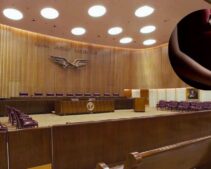
The lawsuit was filed in federal district court. It argues the fund violates the 14th Amendment (guarantees citizenship rights and equal protection under the law), which prohibits federal money from repaying debts or obligations connected to insurrection or rebellion against the United States.
The lawsuit further stated: “Dunn and Hodges did not retreat on January 6. They stood their ground to protect democracy and uphold the rule of law.
According to Politico, a Department of Justice spokesperson responded to the lawsuit, defending the administration’s actions and saying the real abuse involved previous administrations allegedly using federal resources to target people with different political beliefs.
View this post on Instagram
“The only thing illegal and corrupt about this situation is the brazen weaponization of federal resources by previous administrations to retaliate against those with opposing political beliefs,” the spokesperson said. “This Department will continue to expose this lawfare and ensure those who experienced injustices are made whole.”
Meanwhile, speaking to reporters on Tuesday, Associate Attorney General Stanley Woodward dismissed criticism of the fund as something that is too soon to judge. He said he has the authority to settle claims against the United States and argued critics were rushing to several conclusions before any official claims were filed or payments were made. The Capitol riot is one of the most tragic incidents in the nation’s history. The FBI estimated nearly 2,000 to 2,500 people stormed the site, damaging and looting it. Several people were injured, including 140 officers, and the damage exceeded $2.7 billion.