



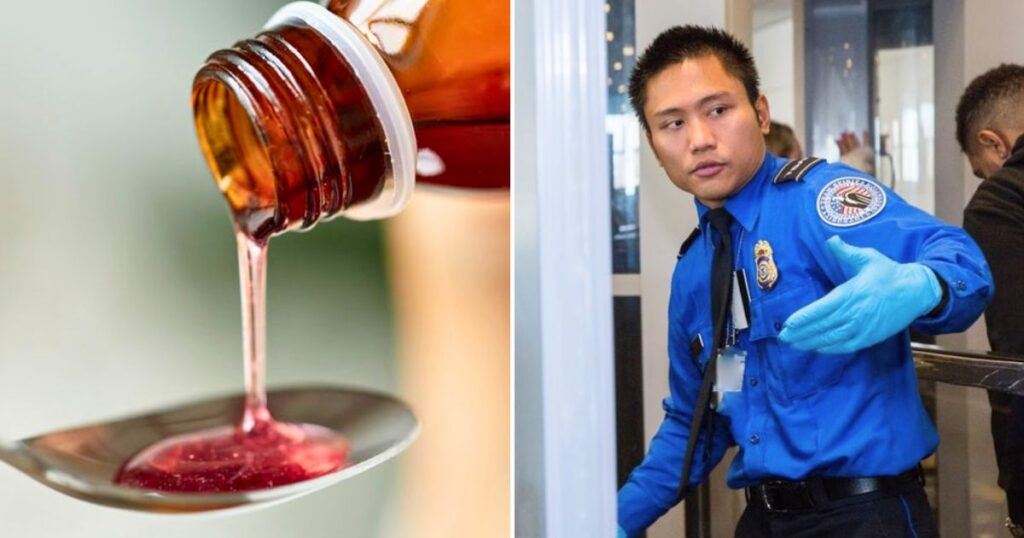
For National Pharmacist Day, the Transportation Security Administration (TSA) has cleared the air, pun intended. Traveling with medication is allowed, and it’s far less complicated than many of us think.
In a post shared on X (formerly Twitter) on January 12, 2026, TSA told travelers that pills and solid medications are allowed in any quantity. Liquid medications over 3.4 ounces are permitted, too, as long as officers are informed, and original prescription bottles are not needed. The post racked up thousands of views and relieved many users.
Pharmacists often get questions about how to get refills if a bag goes missing. TSA’s message is basically what pharmacists have been telling patients for years: declare what you’re carrying and don’t assume airport security will confiscate items you’ll need.
It’s National Pharmacist Day. Are you traveling with meds? No problem!
✔️ Pills & solids allowed in any amount.
✔️ Liquid medication over 3.4oz? Let us know.
✔️ Original bottles not required.
More here: https://t.co/AP4REavlh2 pic.twitter.com/6VrT0HI2uf
— TSA (@TSA) January 12, 2026
One of the biggest misconceptions around flying with medication is about liquids. The 3.4-ounce rule only applies to toiletries. TSA makes an exception for medically necessary liquids, gels, and aerosols. That includes liquid medications, insulin, inhalers, eye drops, and contact lens solution, provided you say that you have them at the checkpoint.
These items are allowed in “reasonable quantities.” However, some liquids (like contact lens solutions) may alarm during screening if they test positive for specific chemicals. In such cases, it is better to place oversized bottles in checked baggage.
Other than medications, you can carry medical supplies and devices in both carry-on and checked bags. Blood sugar test kits, insulin pumps, EpiPens, inhalers, crutches, casts, and external medical devices are all permitted, though sometimes with instructions.
For example, if you have a device attached to your body (like an insulin pump, neurostimulator, feeding tube, or ostomy equipment), please inform officers where the device is located. If a device can be safely disconnected, it will be X-rayed. But if not, you may be additionally screened respectfully. TSA does not require medications to be in original bottles, but labeling is recommended.
Traveling with someone who needs support or assistance at the airport? TSA Cares offers help for caregivers and passengers with disabilities or medical needs.
Request a Passenger Support Specialist 72 hrs in advance by calling 855-787-2227.
More info: https://t.co/cUXgWXLfy5 pic.twitter.com/HdCvXXxgqy
— TSA (@TSA) January 7, 2026
Pro tip: The CDC’s 2026 Yellow Book includes template letters that healthcare professionals can provide to travelers. These letters will say that a patient needs specific medications for medical conditions and request that authorities allow them to carry them. The CDC also has templates for vaccine waivers, such as yellow fever vaccination, due to other medical issues.
That said, the final decision on whether an item passes through the checkpoint rests with the TSA officer on duty.
RELATED: TSA Warns of New $45 Fine for Travelers Starting Feb. 1 — Here’s How to Avoid It


