



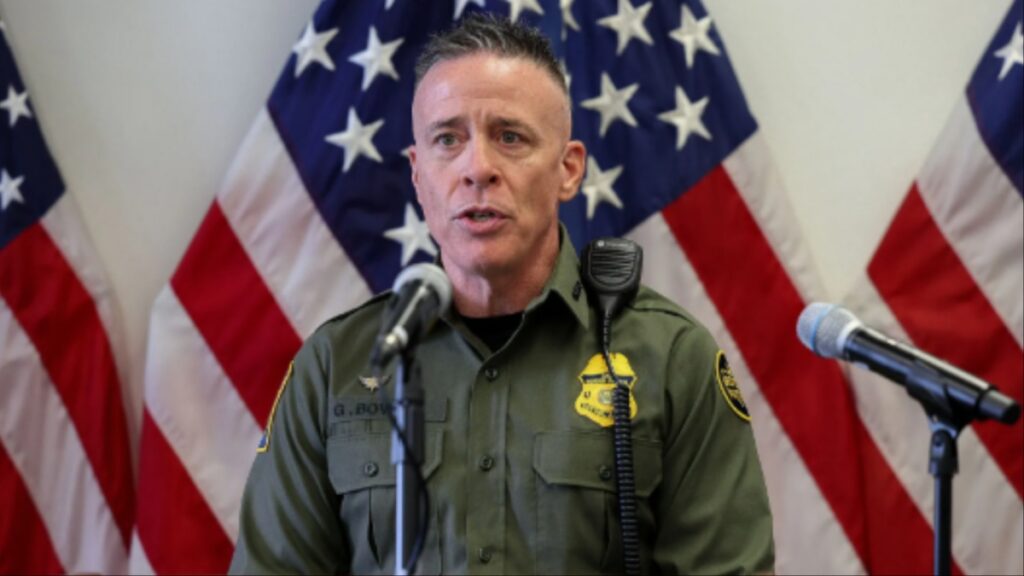
The nation’s top Border Patrol official in Chicago has been ordered into federal court after a judge raised alarms about agents’ heavy-handed crowd control, including a now viral clip that appears to show him lobbing a tear gas canister into a crowd. On Tuesday, U.S. District Judge Sara L. Ellis demanded that Gregory Bovino, the Border Patrol commander overseeing the city’s immigration crackdown, explain why federal officers kept using chemical agents despite her order limiting force at protests.
Per CNN, Ellis issued a temporary restraining order this month, telling federal agents to stop using certain tactics on non-threatening demonstrators and journalists, to warn crowds before any dispersal, and to wear visible identification and body cameras. Civil liberties groups say agents blew past those limits within days, prompting the judge to summon senior DHS personnel and press them, on the record, about who authorized what.
Bovino’s courtroom spotlight follows a series of incidents that shook Chicago’s immigrant communities and ricocheted across social media. In one episode, captured on video, federal officers deployed pepper balls and tear gas outside a Broadview immigration facility, drawing condemnation from clergy and press advocates who said peaceful observers were hit. Ellis’ order specifically referenced such scenes as the kind of conduct her court would not tolerate.
Local outlets have chronicled additional flash points. During a tense standoff in suburban Rolling Meadows, video showed an agent pointing a weapon toward bystanders from a truck’s back seat, an incident Ellis later flagged while grilling DHS officials about use of force and chain of command. In another confrontation, residents in Old Irving Park were seen fleeing as federal agents launched chemical munitions down neighborhood streets.
DHS has defended its teams, saying officers faced “hostile” crowds and used crowd control only after “multiple warnings.” The judge was unconvinced that such statements alone satisfied her order, pressing for body-camera footage, written use-of-force reports, and a clear explanation of who signed off on chemical agents after the TRO. Plaintiffs insist there were no adequate dispersal warnings, and that journalists and clergy were swept up alongside protesters.
All of it is unfolding under the banner of Operation Midway Blitz, a sweeping DHS enforcement push that has produced mass arrests and a steady drumbeat of complaints about excessive force. Federal tallies show hundreds of arrests in the first phase alone, with a mix of targets who had removal orders and so-called collateral arrests of people encountered during operations. That expanding footprint, advocates argue, has blurred lines between investigative immigration work and street-level riot control.
News organizations and civil-rights groups have gone to court to tighten the leash. The Chicago Headline Club, joined by clergy and demonstrators, won the early restraining order and is now seeking longer-term protections, including limits on chemical weapons, mandatory warnings, and identification rules that make it possible to hold individual officers accountable. A preliminary injunction hearing is slated for early November.
By hauling Bovino into court and demanding records, Ellis signaled that Chicago’s federal courthouse, not the street, will decide what force is lawful. Whether DHS can show real compliance, with video to back it up, could determine not just the fate of this operation, but the ground rules for federal policing of protests in American cities going forward.