



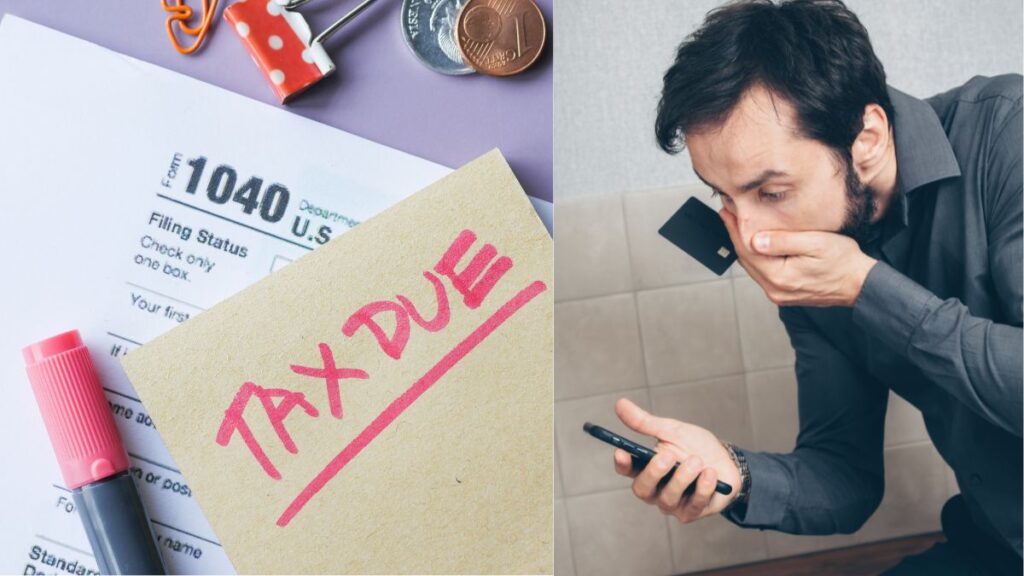
After the Internal Revenue Service (IRS) announced that January 26 would mark the opening of the nation’s 2026 filing season, experts have now started warning people to stay alert as scammers try to steal money and personal details.
According to the International Association of Better Business Bureaus, as reported by Fox Business, tax scams and identity theft are becoming more common and advanced every passing year. Therefore, BBB has issued public safety warnings.
There are fraudsters in every country. The tax season is upon us and these scammers won’t let me rest. pic.twitter.com/EA4HWCxYIN
— Ugochukwu Madu (@UgochukwuCFR) January 12, 2026
The International Association of Better Business Bureaus warns that many of these scams usually start with a phone call. In this method, scammers pretend to be officials from the Internal Revenue Service and tell people that they owe unpaid taxes.
The scammers then pressure victims to pay immediately through prepaid debit cards or wire transfers. This often comes with threats of arrest or heavy fines if the person doesn’t comply.
However, experts explained how to identify if it’s a scam or a legitimate tax issue. The BBB mentioned that real tax authorities do not demand instant payment or threaten people over the phone.
Further, the bureau experts also described another common scam that involves fake tax refunds. In this case, the scammer tells the victim that they are eligible for a refund, and asks for personal details, including Social Security numbers, bank details, and addresses.
You don’t hate scammers enough.
You think you do, but you don’t. pic.twitter.com/8amj7CPFkF
— Fight With Memes (@FightWithMemes) February 15, 2026
If the person provides the requested information, it might later be used for identity theft. The BBB also highlighted that college students are also becoming targets of these tax scams, where they receive calls and emails regarding “federal student tax”.
In this case, scammers reach out to students claiming that a “federal student tax” has not been paid and demand money or personal details. The International Association of Better Business Bureaus further warned about how scammers try to appear legitimate.
With the rise and advancement of scams, the BBB warned that fraudsters tend to provide fake badge numbers or use official-sounding names. Sometimes, the caller ID may show calls coming from Washington, D.C. to appear more trustworthy.
It’s tax season in the US… and scammers are working overtime 😤
Reminder: The IRS won’t slide into your DMs or threaten you over text.
Don’t fall for the pressure.#TaxSeason #IRS #TextScams #ScamAlert #ScamAdviser pic.twitter.com/hlZWYPGgmc
— ScamAdviser (@scamadviser) February 11, 2026
In some cases, the scammers may also use robocalls with serious recorded messages, and even send follow-up emails that include official logos, colors, and formal language to trick people. And if nothing works, experts suggest that the scammer may try to create panic.
They might push victims to act fast so they do not have time to think or ask questions. And eventually, they might demand payment through methods that are hard to trace or reverse.
Therefore, the BBB reminded taxpayers that real tax agencies allow people to ask questions or appeal tax decisions. Further, they stressed that real tax agencies usually contact people through official mail first, and normally do not initiate contact through phone calls or text messages.
So, if people receive suspicious calls or messages, they should contact tax authorities directly to confirm. In the end, the BBB also advised people to file taxes early, as this reduces the risk of identity theft.