

Trigger Warning: The article mentions details of violence.
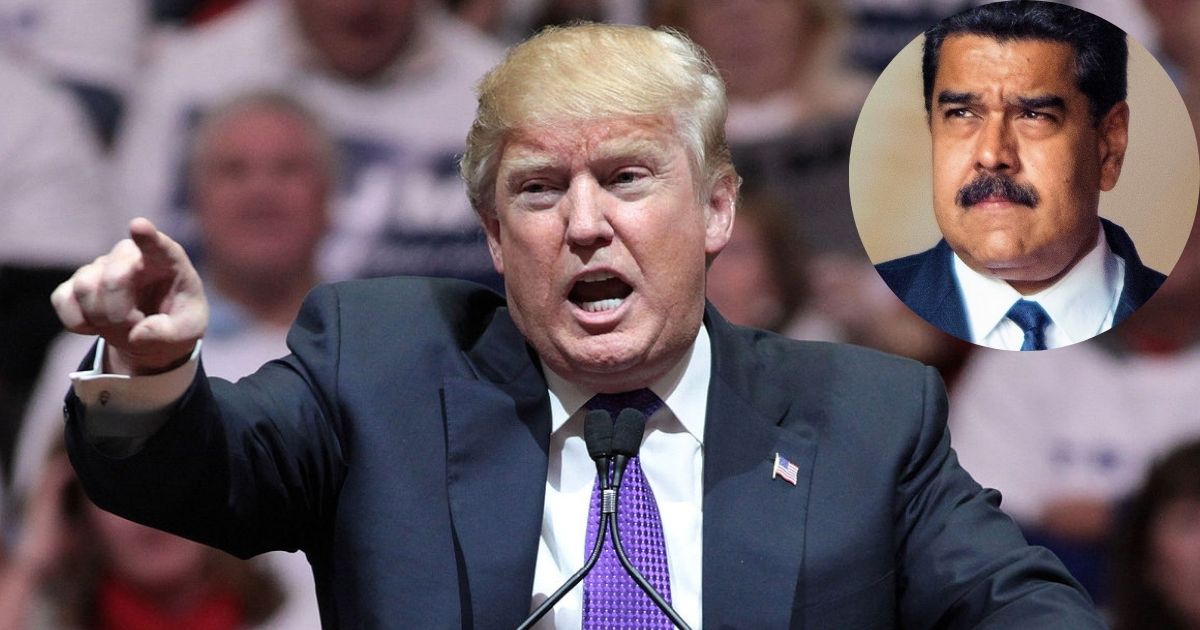
Donald Trump’s capture of Venezuelan President Nicolás Maduro and First Lady Cilia Flores from their Caracas home on January 3 ignited global debate, drawing swift and mixed reactions from online users, critics, and world leaders.
Trump stated that the United States would “run” Venezuela, emphasizing control of the country’s oil resources, noting that Venezuela possesses 303 billion barrels of proven oil reserves—surpassing those of Saudi Arabia and Iran.
These reserves are primarily located in the Orinoco Belt and consist of extra-heavy crude oil that requires advanced extraction technologies. Under “Operation Absolute Resolve,” the administration had prepared for months.
View this post on Instagram
Weather delayed the mission, but it proceeded at 1 a.m. ET Saturday under clear skies and a full moon. By 3:30 a.m., the couple was captured and flown to New York.
Prosecutors allege that Maduro’s government was a corrupt, drug-trafficking network tied to violent groups—claims the former leader has repeatedly denied.
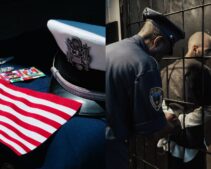
According to The Daily Beast, as Nicolás Maduro and his wife were being held in a detention center in New York and faced narco-terrorism charges, gunfire erupted in Caracas on January 5 near Venezuela’s presidential palace. U.S. officials said they were not involved.
Venezuela’s Ministry of Communication and Information told CNN that police fired at unauthorized drones and that “no confrontation occurred, and the entire country is calm.” The incident was reportedly a “misunderstanding.”
View this post on Instagram
According to NBC News, Trump spoke with Maduro about a week before the raid, warning that his time in power was over. By then, U.S. warships were off Venezuela’s coast, and a CIA unit inside the country was tracking Maduro.
“You’ve got to surrender,” Trump recalled telling Maduro. Initially, he hesitated but ultimately refused. Trump approved the operation before Christmas at Mar-a-Lago, where he later announced its success.
Trump addressed military leaders before the operation began. The plan included cutting power in Caracas and deploying more than 150 aircraft from 20 bases, including bombers, fighter jets, and surveillance planes.
Special forces helicopters flew low over water to reach Caracas. The operation is regarded as a significant military action during Trump’s administration.
Nicolás Maduro governed under the United Socialist Party and has been in power since 2013. Reports state that around eight million people have left Venezuela during his rule, with many going to the United States, where immigration regulations have impacted these refugees.
Despite having the world’s largest proven oil reserves, Venezuela faced economic challenges due to sanctions, resulting in several crises following a notable collapse in 2014. Trump stated that the country’s resources were underutilized and announced temporary U.S. control.
“We’re going to run it,” Trump said, “until a proper transition can take place.” According to the BBC, after the operation, citizens gathered in the streets, and reactions ranged from shock to anger to support among Maduro’s critics.
Dina, a Caracas resident, told the BBC she felt thankful to the U.S. for removing Maduro from power. For the first time in years, she said, she feels “a small sense of hope again.”
Jorge, who lives near the capital, praised Trump’s determination but remained cautious about the coming days. Meanwhile, Maduro’s supporters have taken to the streets demanding his release.
Caracas Mayor Carmen Meléndez, a key Maduro ally, joined demonstrations condemning what she called Maduro’s “abduction.” Despite a sense of relief, fear remains as Venezuela’s National Assembly, dominated by Maduro’s allies, recently passed a law labeling anyone who supports U.S. naval blockades a “traitor.”
Disclaimer: The article mentions details that have been taken from secondary sources. Inquistr does not assume responsibility for these claims.