Netflix subscribers would pay £180 BBC licence fee under Nandy plan, Sunday Times reports
Households would pay on top of subscriptions from 2028, with YouTube and TikTok exempt; the government says no final decision has been made.
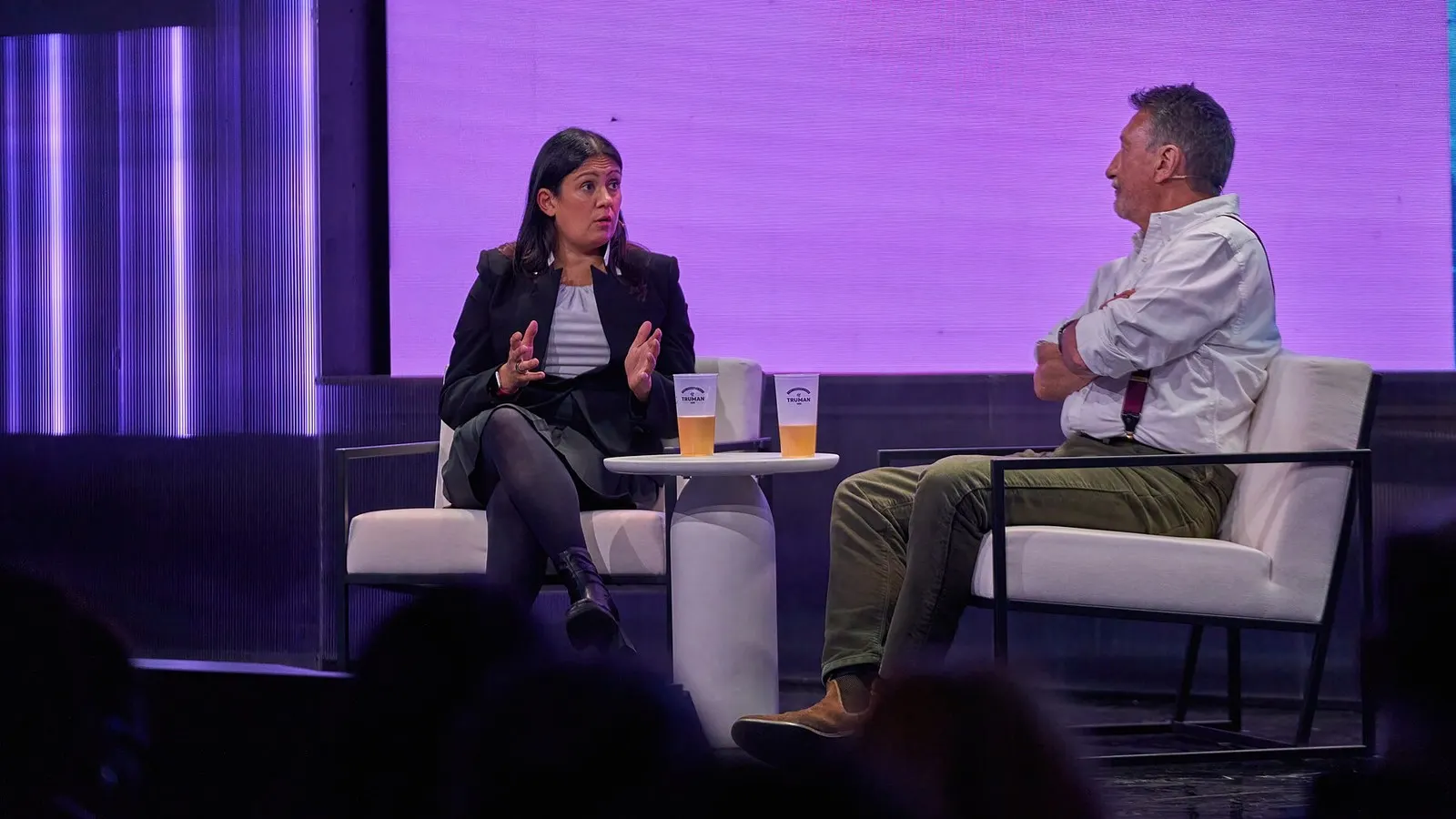
Culture Secretary Lisa Nandy is expected to announce a plan before Christmas that would make UK subscribers to Netflix and other streaming services pay the BBC licence fee, The Sunday Times reported.
Households would pay the £180 annual fee on top of their existing subscriptions, whether or not they watch any BBC content, the paper said, with the change expected to take effect in 2028. The government said no final decisions had been made.
"The BBC is a vital national asset. If we do nothing, your options are slow death or quick death," an unnamed Whitehall source told The Sunday Times. "For it to survive, you need to put it on a firm financial footing," the source said.
The proposed extension is meant to bring in money from new payers. The Independent estimated that an extra 3 million to 4 million households would have to pay if the fee were extended to streaming services.
Rebecca Paul, the Conservative shadow culture secretary, told The Times the government "appears to be reaching for the easy but overwhelmingly unpopular option of extending the licence fee to people using streaming services that have nothing to do with the BBC."
"The Prime Minister talks endlessly about giving hardworking families breathing space. Imposing yet another bill on millions of households makes a mockery of that aim," Paul said.
Education Secretary Lucy Powell told the BBC's Laura Kuenssberg on Sunday: "I don't think any decisions have yet been taken and all of our proposals will be published in due course in a White Paper."
When asked why people who only want to watch Netflix should pay for the BBC, Powell said the question would be better put to Nandy. She said Nandy was looking at proposals to secure the BBC's future and its "long term financial sustainability."
In a statement, the Department for Digital, Culture, Media and Sport said it was looking at "a range of options, including how the licence fee could be reformed" through the charter review. Proposals are due as part of the BBC's charter renewal, and the new funding model could form part of the corporation's next 10-year charter.
Reported exemptions for YouTube and radio listeners
Under the plans as reported, users of YouTube and of social media platforms such as Instagram and TikTok would be exempt. So would people who only listen to BBC radio or use BBC news websites.
That scope marks a shift from an earlier version. The Independent said it outlined plans for a so-called "YouTube tax" in October, and that the plan had reportedly since been changed to focus on curated entertainment streamers.
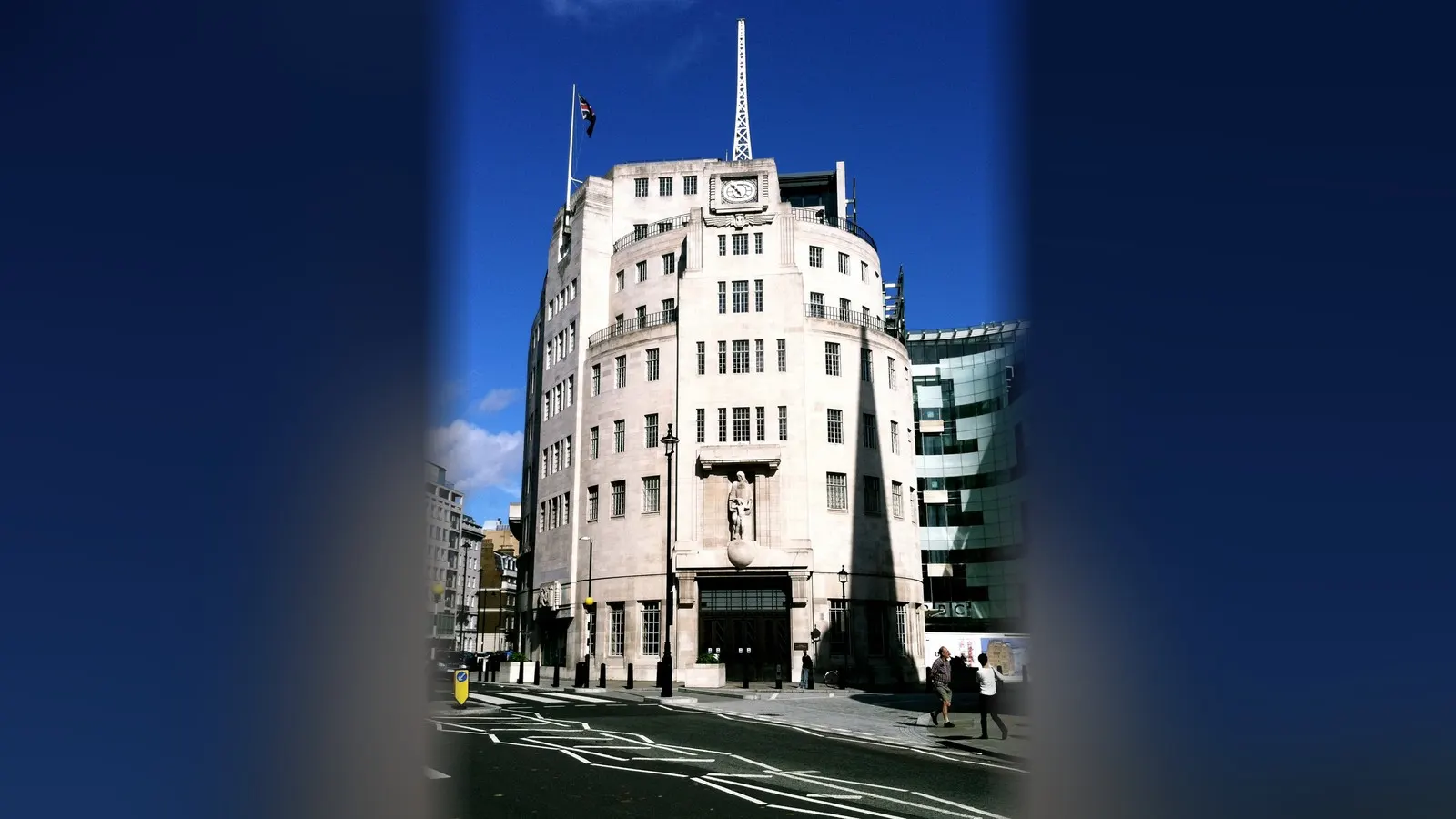
Other funding routes appear to be off the table, though accounts differ on who closed them. The Telegraph reported that Nandy had ruled out a levy on all household bills, which BBC chiefs were said to favour, as well as a subscription model. In The Guardian's account, the Treasury had ruled out a household levy as politically impossible.
It was not immediately clear how the fee would be enforced on streaming subscribers or collected.
Licence numbers falling
A TV licence is currently required to watch or record live television, to watch live programming on streaming platforms or to use BBC iPlayer. Non-live shows on other streamers need none.
The number of licences in force is falling. Around 539,000 fewer licences were in force in the year to March 31, 2026, and the number has fallen by around two million over five years, according to The Independent.
Non-payment rose from about 9% of households in 2015 to about 23% last year, The Guardian reported.
Despite collecting £3.8 billion to £3.9 billion from the fee, the BBC recorded an operating deficit of £121 million for 2025/26.
The outlook is tighter still in one forecast. Modelling by media consultancy Oliver & Ohlbaum Associates suggests licence fee income could be worth less than half its current level in real terms by 2037-38.
The streaming industry has its own warnings. Sources at streaming services told The Sunday Times the move could lead customers to cancel subscriptions and firms to scale back UK investment. Netflix did not comment, The Telegraph reported.
Opponents have already organised. A petition against the extension had passed 125,000 signatures by Sunday morning, with thousands more signing every few minutes.
"Amid a cost-of-living crisis, we believe the Government should be finding ways to save the public money, not expanding their means of taxation," the petition states.
Parliament may debate any petition with more than 100,000 signatures.