

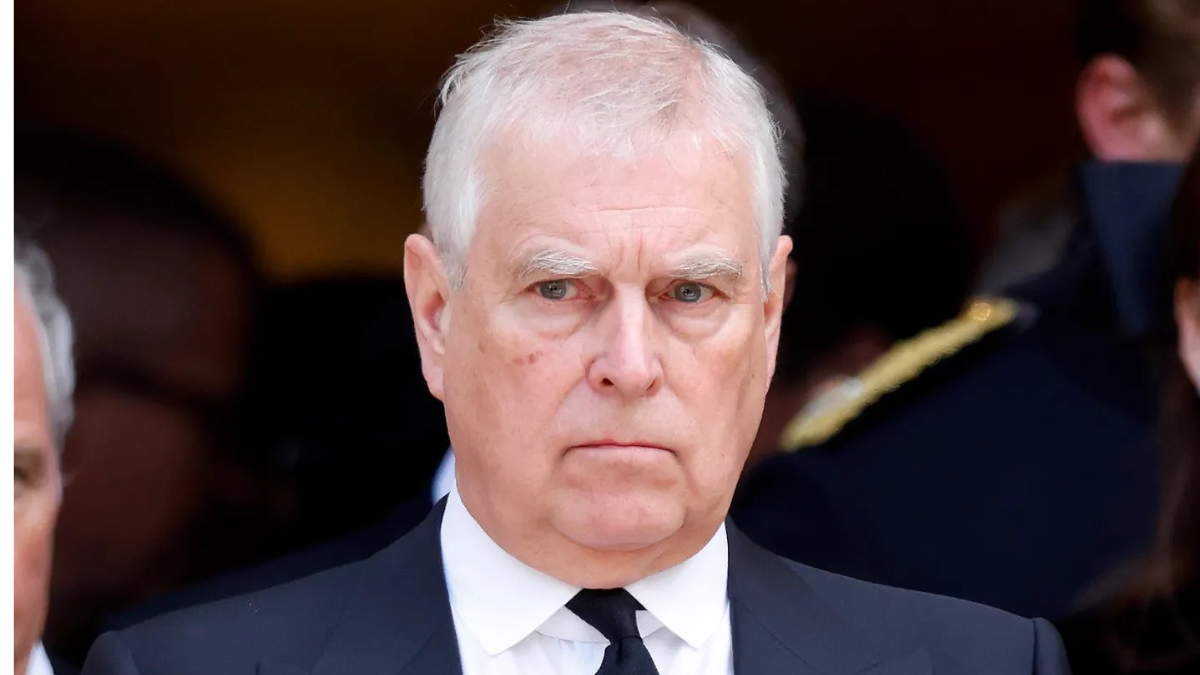
Newly revealed emails suggest that British officials feared legal consequences if they forced former-Prince Andrew to cooperate with the FBI’s investigation into Jeffrey Epstein. The emails provide fresh insight into why he was never formally questioned by the authorities.
According The Sun, the UK Home Office were hesitant when they received a formal U.S. request to compel Andrew Mountbatten-Windsor’s testimony. They were concerned his legal team could challenge the move in court. The request — known as a Mutual Legal Assistance (MLA) order — would have had British authorities helping American investigators getting answers about Andrew’s connection to Epstein. But, nothing ever came of it because they UK was afraid of the backlash.
At the time, Andrew Mountbatten-Windsor had refused several invitations for a voluntary interview. He didn’t want to participate in the investigation. Instead, his lawyers suggested that he could submit a written statement, refusing in-person questioning or even remote testimony. U.S. prosecutors were apparently frustrated because of Andrew’s refusal, but they however escalated the matter through formal diplomatic channels.
Prince Andrew ‘Was Not as Articulate’ as Other Senior Royals, Claims Royal Expert https://t.co/nhsxIuzyNr
— Distinct Post. (@DistinctPost) April 20, 2026
However, internal emails show that UK officials believed Andrew’s legal representatives, including law firm Blackfords, could file a judicial review if authorities pushed ahead. Their concern was rather on the voluntary cooperation aspect, and whether Andrew had sufficiently met the criteria since it was a key requirement under UK guidelines before they could grant MLA assistance.
One email warned that Andrew’s legal team would argue the UK Home Office had failed to follow its own procedures, which could possibly force the courts to overturn any cooperation with the FBI. The apparent reluctance to work with them baffled U.S. investigators. “All we want to do is ask some questions,” one American official reportedly said at the time.
Former U.S. Attorney Geoffrey Berman, who led the Epstein case in New York, later suggested British authorities may have shielded Andrew from scrutiny. Writing in his 2022 book, Berman said, “We got absolutely nowhere. Were they protecting him? I presume someone was.” It seems as if, indirectly, Andrew was being protected by UK officials themselves.
Andrew’s legal team pushed back, accusing prosecutors of turning the case into a media frenzy. They sent a sharply worded email where his lawyer argued there was “no purpose” in further cooperation and criticized U.S. authorities for failing to guarantee confidentiality. The standoff meant Andrew never sat down with FBI investigators, despite intense public interest in his links to Epstein. Until now, that is. Now Andrew himself is being investigated.
Sarah Ferguson and ex-Prince Andrew’s secret bond stirs royal tensions as they remain close despite past controversies and scrutiny. https://t.co/vfUlqb8emm
— SheKnows (@SheKnows) April 19, 2026
After the Epstein files were released at the beginning of the year, he has come under scrutiny again as there has been a renewed interest in the late financier. The former duke stepped back from royal duties following a widely criticized 2019 BBC interview and later settled a civil case brought by Virginia Giuffre, though he denied wrongdoing.
Late last year, King Charles stripped him of any titles and privileges associated with a royal. More recently, Andrew has faced additional legal trouble, including a 2026 arrest on suspicion of misconduct in public office, further intensifying questions about accountability and institutional response.
The emails now provide a clearer picture of the legal and political calculations that played out in the background of one of the most controversial unresolved aspects of the Epstein investigation. Now, we may know why one of its most high-profile figures was never formally questioned.