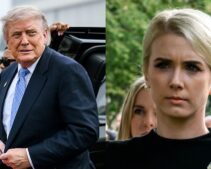


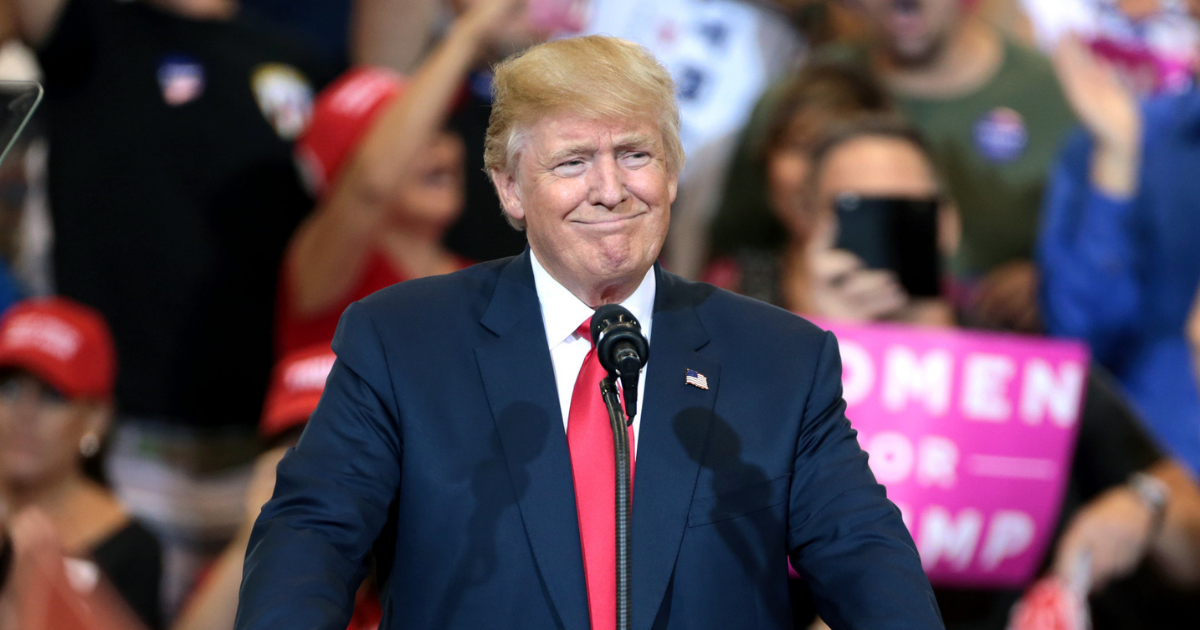
The official line was distance and distaste. The private worry, according to a new report, was humiliation—loud, televised, instantly meme-able humiliation. President Donald Trump, who made a point of being the first sitting president to attend a Super Bowl when he showed up in New Orleans in 2025, is now skipping Super Bowl LX at Levi’s Stadium in Santa Clara.
Publicly, he told the New York Post the game was “just too far away.” Privately, aides reportedly urged him to stay home because the crowd would “likely aggressively boo him,” and they feared the kind of viral clip that no amount of spin can scrub from the internet.
He also offered another explanation: the halftime show. Donald Trump said he was “anti-them” in reference to performers Bad Bunny and Green Day, calling the booking “a terrible choice” that “sow[s] hatred.”
Donald Trump says he won’t be attending this year’s Super Bowl, criticizing NFL’s choice of Bad Bunny and Green Day as entertainers:
“I’m anti-them. I think it’s a terrible choice. All it does is sow hatred. Terrible.”
(https://t.co/T3xQRkbnLT) pic.twitter.com/FOjiOlyad4
— Pop Base (@PopBase) January 24, 2026
The phrasing is classic Donald Trump—performative disgust, moral panic dressed up as taste. But it’s the booing concern that feels like the tell.
There’s something almost quaint about a president fretting over being booed at a football game, except it isn’t quaint at all. It’s modern politics in its purest form: not governance as persuasion, but governance as optics management.
Zeteo reports that multiple people familiar with the discussions say advisers believed the odds were “rather high” that Donald Trump would get booed “big league,” and that such a moment would immediately generate “viral video clips and media coverage” the administration would rather avoid.
That isn’t just a security calculation or scheduling decision; it’s a recognition that stadium crowds can puncture the protective bubble presidents typically live inside.
The White House, for its part, tried to flip the script with a loyalist flourish. Spokesperson Davis Ingle insisted Donald Trump would have received “a warm welcome,” because “America knows he has done more to help this country than any other president in history.”
It’s the kind of statement designed less to convince skeptics than to reassure allies that the boss is still adored somewhere out there, even if that “somewhere” is increasingly hypothetical.
Super Bowl LX is set for Feb. 8, 2026, with kickoff at 6:30 p.m. ET at Levi’s Stadium, and it’s slated to feature the New England Patriots against the Seattle Seahawks. The whole event is built to be a glossy, tightly directed celebration of American entertainment—exactly the sort of place where a chorus of boos would be impossible to ignore.
Donald Trump’s absence isn’t happening in a vacuum, and neither is the anxiety about how the crowd might react. The lead-up to this Super Bowl has been steeped in immigration politics—partly because of the halftime headliner, partly because the administration’s enforcement agenda has become an emotional flashpoint.
Sour grapes. That’s why this is happening.
ICE plans to run immigration enforcement at the Super Bowl in Santa Clara.
Cori Lewandowski: “ICE will be everywhere…”
📌 Bad Bunny, just announced as the halftime performer, recently stated that he would not be including the U.S.… pic.twitter.com/Q9kR11Bzxw
— Christopher Webb (@cwebbonline) October 2, 2025
Bad Bunny has been one of the most visible cultural figures to call out Immigration and Customs Enforcement, using the Grammys stage to say, “Before I say thanks to God, I’m going to say, ICE out,” and adding, “The only thing that’s more powerful than hate is love… If we fight, we have to do it with love.”
That wasn’t a vague plea for kindness; it was a direct shot at an institution central to the administration’s posture.
Then came the security swirl. Back in the fall, Homeland Security Secretary Kristi Noem said ICE would be “all over” the Super Bowl after Bad Bunny was announced as the halftime act, a comment that lit up headlines and fed genuine public concern.
ICE to conduct immigration enforcement at Super Bowl LX at Levi’s Stadium, official says. pic.twitter.com/jXOLjmsFFA
— Richy (@bettemup1) January 26, 2026
This week, the NFL’s chief security officer, Cathy Lanier, tried to shut that down. “There are no planned ICE or immigration enforcement operations that are scheduled around the Super Bowl or any of the Super Bowl-related events,” Lanier said, adding that DHS will send multiple agencies. “However, ICE will not be part of our operations at this Super Bowl.”
The league is clearly eager to keep the focus on football and pop spectacle, not armed bureaucracy and political theater.
And yet politics has already seeped into the seams. Donald Trump’s team, if Zeteo’s reporting is right, looked at the risk-reward equation and decided it wasn’t worth testing whether a stadium full of people—many there for a party, not a rally—would greet him with cheers or a public, unscripted repudiation.
In other words, President Donald Trump didn’t just skip a game. He ducked a scene he couldn’t control.