



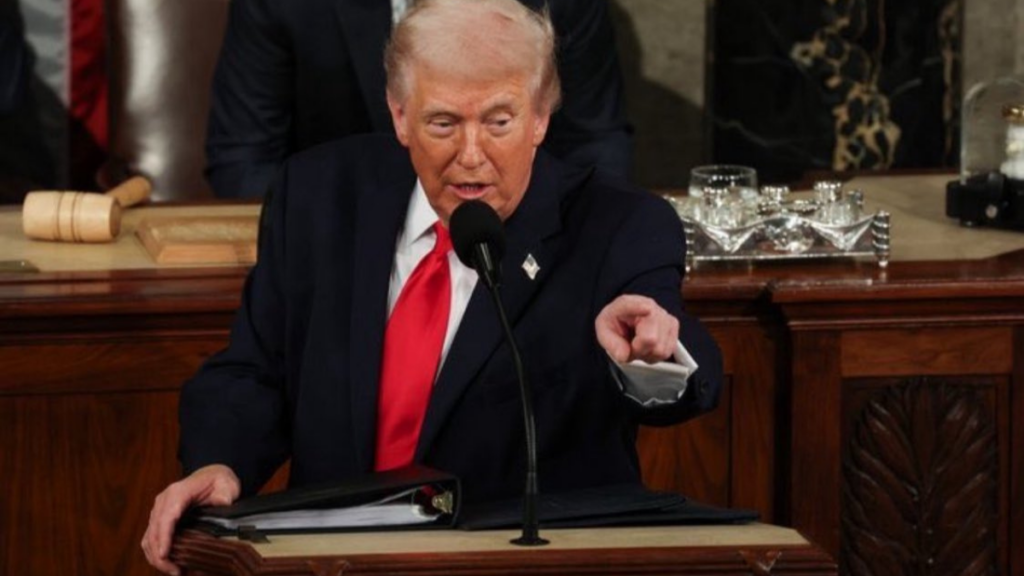
President Donald Trump’s suggestion that the United States could “take” Cuba prompted a strong response from Cuban President Miguel Díaz-Canel. He stated that any external attack would face “impregnable resistance,” according to a translation, as tensions rose over the island’s worsening energy crisis.
On Monday, Trump said he expected to have “the honor” of “taking Cuba in some form.” He added, “I can do anything I want” regarding the island, according to Reuters. By Wednesday, Díaz-Canel issued a public statement, claiming that the United States was threatening Cuba’s constitutional order and warned that in the strongest terms, the US would meet resistance.
This exchange occurred while Cuba faced severe economic and electrical difficulties. The Associated Press reported that a widespread blackout this week impacted all 11 million residents and was the third major outage in four months. Cuban officials linked the crisis to an aging grid, fuel shortages, and limited foreign currency. Reports from AP and Reuters noted that increased U.S. pressure on fuel imports has made the situation worse.
Reuters reported last week that Díaz-Canel acknowledged discussions with the United States. He stated that Havana was open to talking about tensions but only based on mutual respect and national sovereignty. The Washington Post reported that these contacts aimed to manage rising friction, even as the Trump administration maintained public pressure and discussed potential leadership changes in Havana.
#EEUU amenaza públicamente a #Cuba, casi a diario, con derrocar por la fuerza el orden constitucional. Y usa un indignante pretexto: las duras limitaciones de la debilitada economía que ellos han agredido y pretendido aislar hace más de seis décadas.
Pretenden y anuncian planes…
— Miguel Díaz-Canel Bermúdez (@DiazCanelB) March 18, 2026
The pressure has become clearer in recent days. Reuters noted that Trump’s comments occurred amid efforts by his administration to force political change in Cuba while the island struggles with stagnant oil imports, shortages of fuel and medicine, and repeated power failures. AP reported that the administration has tightened an energy blockade that reduced Cuba’s access to foreign oil, particularly from Venezuela.
The rhetoric has also reached Congress. AP reported five days ago that Democratic Senators Tim Kaine, Ruben Gallego, and Adam Schiff introduced a war powers resolution to prevent military action against Cuba without congressional approval. This measure aimed to limit presidential authority following Trump’s comments about a takeover and other signals from his administration.
Trump’s full rant on Cuba: “I think Cuba, in its own way, tourism and everything else, it’s a beautiful island, great weather. They’re not in a hurricane zone, which is nice for a change, you know? They won’t be asking us for money for hurricanes every week. I do believe I’ll… pic.twitter.com/VOs5YzFIDB
— Aaron Rupar (@atrupar) March 16, 2026
Within Cuba, public reaction is a mixture of fear and fatigue. Reuters reported Tuesday that many Cubans wanted dialogue instead of confrontation, despite Trump’s remarks alarming residents already facing outages and shortages. AP also reported that blackouts have disrupted hospitals, spoiled food, and increased pressure on daily life across the country.
Trump has not publicly explained any legal justification for intervention. Reuters mentioned that the White House had not clarified what authority it would claim for such an action. For now, the recent clash has pushed Washington and Havana further apart, with Trump openly discussing action while Díaz-Canel promised that Cuba would resist.
The heightened threat to Cuba comes as the U.S remains in a conflict with Iran and global prices rise due to the disruption of goods and oil flowing through the Strait of Hormuz. It is unclear how long the fight with Iran will last, as some experts believe it could continue for several months.