

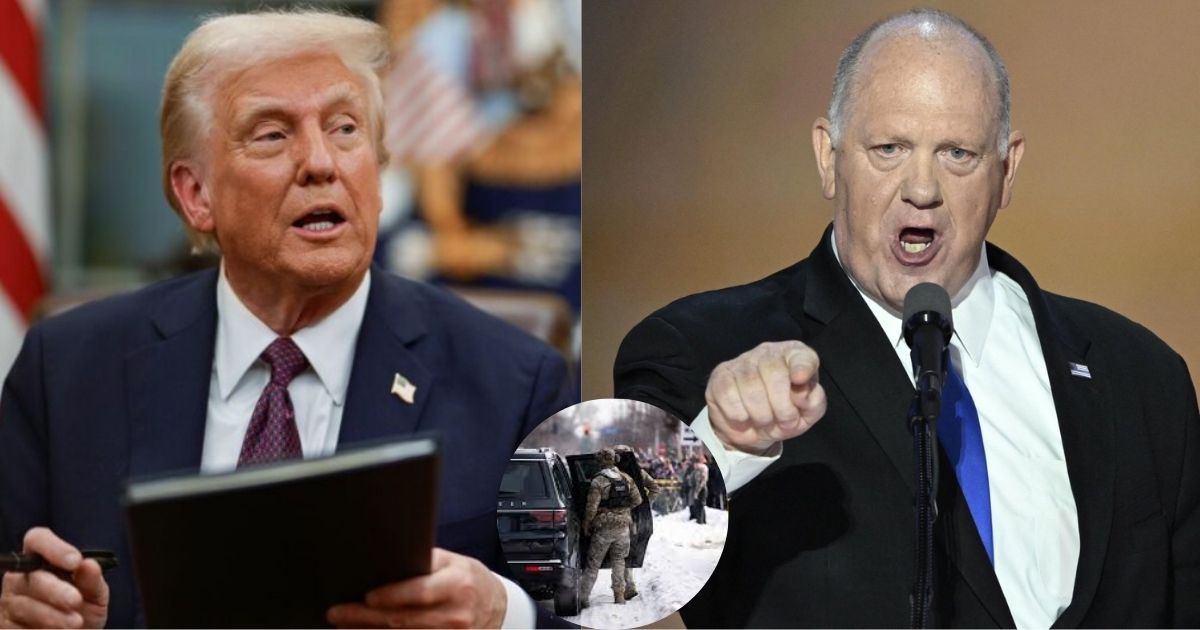
The White House announced on Thursday that it will end a prominent ICE enforcement operation in Minneapolis. This decision follows weeks of protests and political opposition in Minnesota, and officials referred to this operation as Operation Metro Surge.
Tom Homan, President Donald Trump’s top border adviser, shared the news at a press conference in Minneapolis. He stated that working with local law enforcement and assessing the operation’s results led him to recommend shutting it down.
“I have proposed that this surge operation conclude, and President Trump agrees,” Homan said.
The operation involved deploying many ICE agents to the Minneapolis-St. Paul area, as part of the government’s increased deportation efforts. Reuters reported that about 3,000 armed immigration agents were involved. Homan said that most of those brought in from other states will return home next week. The federal presence will go back to about 150 agents, which is roughly the number before the surge.
This change from the Trump administration came after Minnesota officials and civil rights groups criticized the scale and tactics of the ICE operation. Minnesota Governor Tim Walz and Minneapolis Mayor Jacob Frey both opposed the operation publicly. Frey previously filed a lawsuit to stop it, according to Reuters.
Homan’s announcement followed days of talks with state and local leaders, including meetings with Walz, Frey, and Minnesota Attorney General Keith Ellison, as reported by Time. The Washington Post noted that federal officials also worked out an “exit strategy.” This plan included agreements about how local jails would share release information with federal authorities, ensuring that they would not hold people past their court-ordered release dates.
Operation Metro Surge began in early December and quickly became a point of contention in Minnesota, with crowds protesting outside federal buildings. Demonstrations spread throughout parts of Minneapolis. The operation came under increased scrutiny after two U.S. citizens died during confrontations with federal agents during this period.
In his remarks, Homan described the decision as ending a temporary deployment rather than a wider rollback of enforcement. Reuters reported that he mentioned the administration would keep up immigration enforcement efforts even after the surge ends, although the extra personnel sent to Minnesota would depart.
The administration has faced multiple legal challenges regarding its immigration actions elsewhere. Recently, federal judges have criticized the government in cases involving detentions and adherence to court orders.
Homan’s presence in Minneapolis occurred amid internal changes within the federal operation. Time reported that the administration reassigned Border Patrol commander Gregory Bovino due to disputes and rising tensions surrounding the Minnesota deployment.
Federal agencies did not immediately provide a detailed public report on the arrests made under Operation Metro Surge. The Washington Post reported that Homan stated more than 4,000 arrests took place during the operation. The Department of Homeland Security has shared information about some arrests linked to alleged criminal activity but has not published a complete list.
The White House did not specify when all remaining surge personnel would leave, but Reuters reported that most agents are expected to depart next week, returning the area to pre-surge staffing levels.