ULA's Vulcan rocket fails to reach orbit, losing 40 Amazon Leo satellites
The cause remains unknown after a problem roughly 10 minutes into the flight from Cape Canaveral; ULA confirmed the loss about 50 minutes after liftoff.
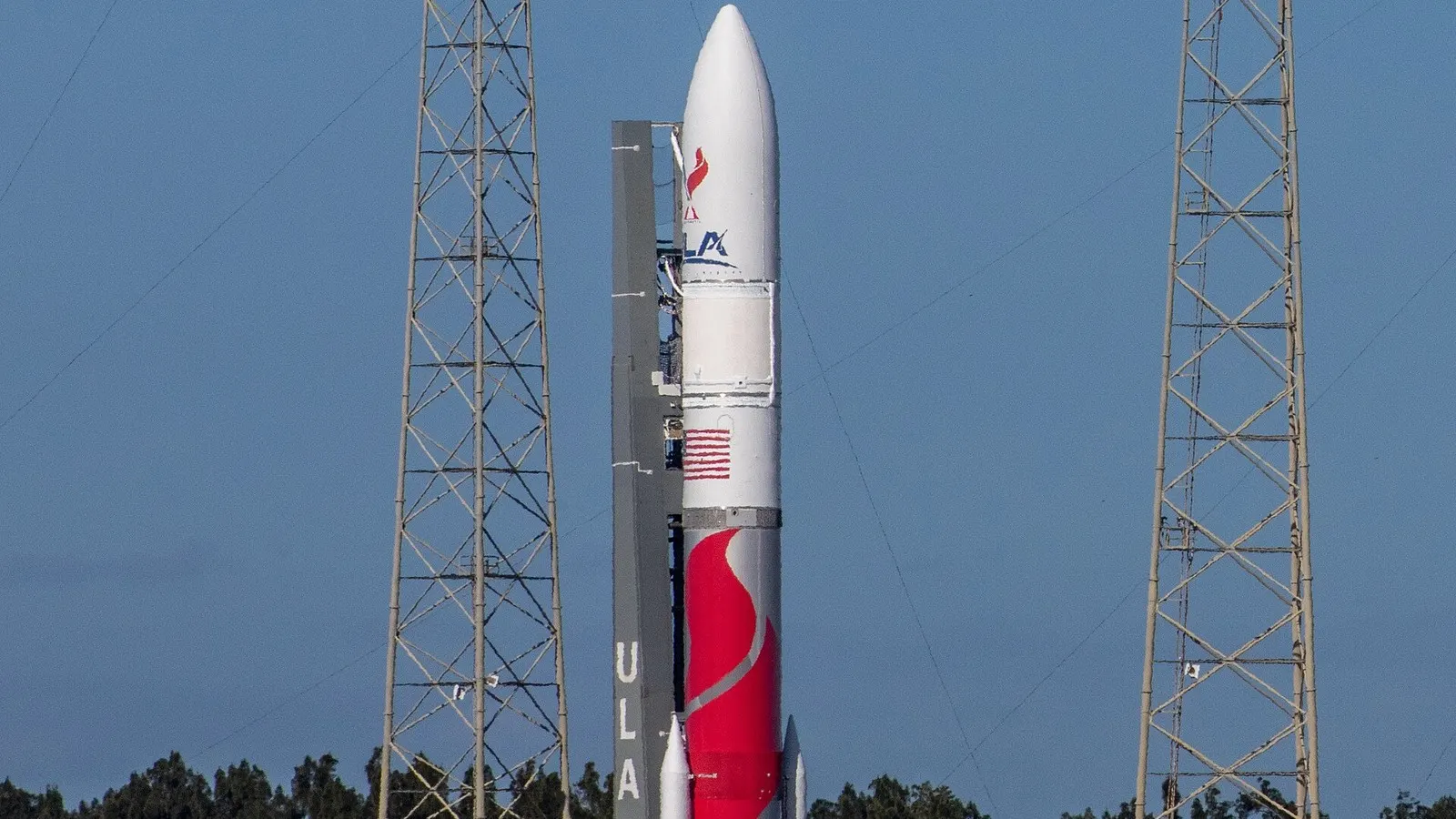
United Launch Alliance’s Vulcan rocket failed to reach orbit on Sunday after a problem occurred roughly 10 minutes after its Florida launch, the company said. None of the 40 Amazon Leo internet satellites aboard survived. This is a developing story and will be updated.
The rocket lifted off at 12:40 p.m. ET from Space Launch Complex 41 at Cape Canaveral Space Force Station. ULA confirmed the loss roughly 50 minutes later.
The mission was the first of 38 Vulcan launches Amazon bought for Amazon Leo, its planned broadband constellation formerly called Project Kuiper that will compete with SpaceX’s Starlink. It was the first outright failure of a ULA rocket since Boeing and Lockheed Martin formed the joint venture in 2006, CBS News and Spaceflight Now reported.
Based on data received by our Launch Director, we confirm that the Vulcan vehicle launched from Space Launch Complex 41 suffered an anomaly 10 minutes into the flight and failed to deliver the Amazon mission to orbit.
— ULA (@ulalaunch) November 15, 2026
Every flight generates data, and every flight teaches us
“Since the anomaly just occurred, we don’t have any specific data yet to understand what occurred today,” ULA said.
The problem arose while the hydrogen-fueled Centaur upper stage was firing, CBS News and Spaceflight Now said. The burn was planned to last 12 minutes and 15 seconds. The outlets said the first stage appeared to exceed ULA’s planned burn time and separate late from Centaur. A telemetry-based animation showed Centaur making unusual adjustments to its orientation early in the burn, they said.
Blue Origin built the two BE-4 engines powering the first stage, and they had received a retrofit addressing the oxygen valve problem behind a Blue Origin New Glenn explosion. Before the flight, ULA CEO Mark Peller told Aviation Week & Space Technology, “They were down at our facilities probably a couple months ago and implemented that retrofit kit on the engines on this upcoming mission.”
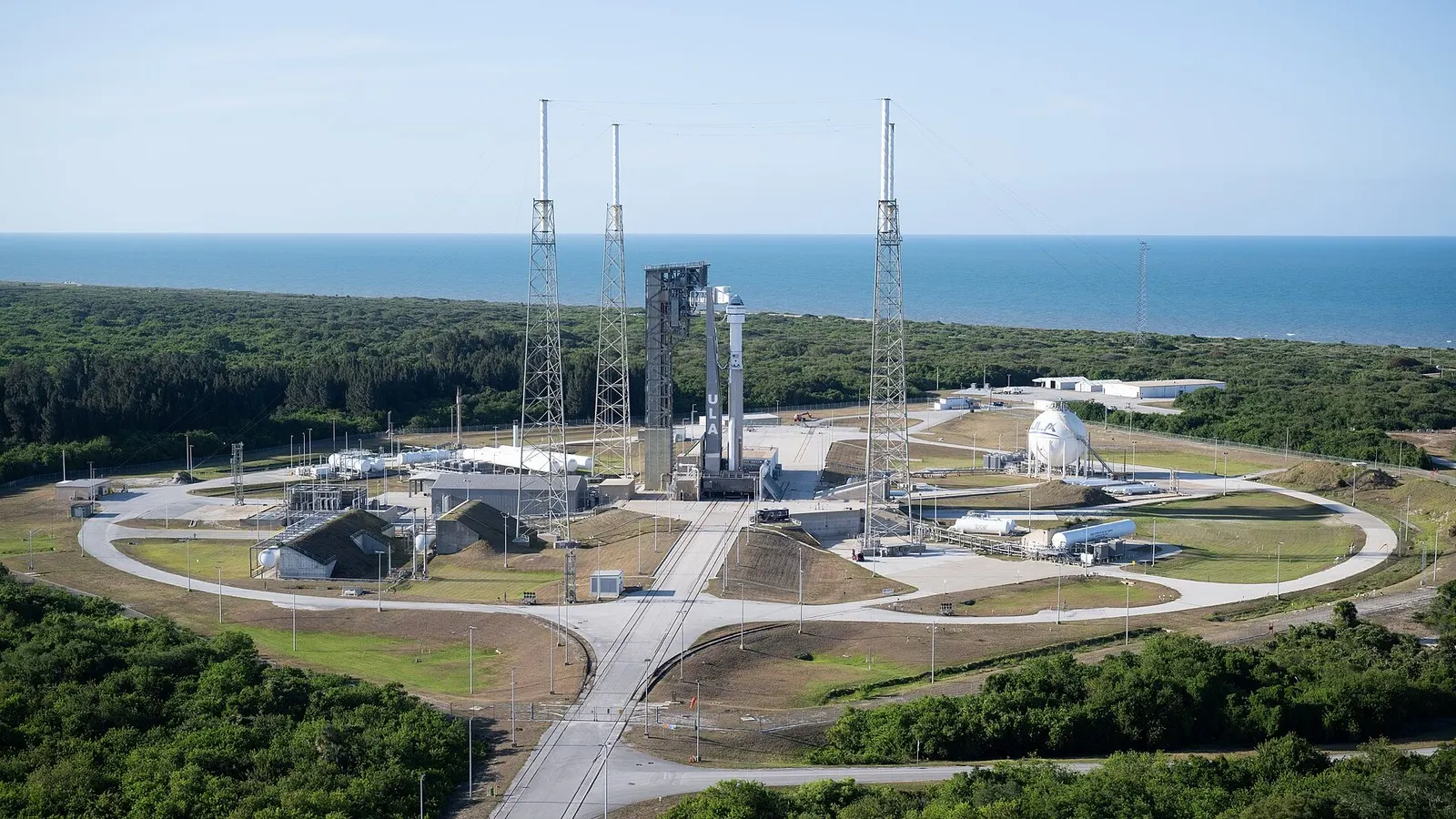
On Sunday, controllers paused the countdown at T-minus 20 seconds over an unexplained technical issue. ULA resolved it, allowing liftoff at the window’s end. The cause of the failure has not been established; it remains unknown whether either the countdown problem or the first stage’s burn contributed.
Vulcan first flew in January 2024. Sunday’s launch was its fifth flight and its first in nine months. Booster nozzle problems affected both the second flight, in October 2024, and February’s fourth flight, a national security mission; both reached orbit. The U.S. Space Force paused Vulcan national security launches after February, but ULA remained free to fly commercial missions.
All six Northrop Grumman boosters appeared to operate normally Sunday, burning out less than two minutes after liftoff. Before the flight, Peller told the magazine, “We've identified three credible causes (of the nozzle issue), and we have taken positive steps to mitigate all of those.”
Amazon Leo said on X that every launch carries risk, particularly inaugural missions such as LV-01. “ULA has been a trusted partner for Amazon, and we believe they’ll learn from this mission and deliver on their long-term plans for Vulcan,” the company wrote.
There is risk with any launch, and that’s especially true for inaugural missions like LV-01. ULA has been a trusted partner for Amazon, and we believe they’ll learn from this mission and deliver on their long-term plans for Vulcan.
— Amazon Leo (@AmazonLeo) November 15, 2026
Full statement from @ulalaunch below.
NASA Administrator Jared Isaacman wrote on X that NASA was available to assist with the investigation and remediation. “Artemis, Moon Base, and the nation need ULA,” he wrote.
Sources
- The Verge: Vulcan rocket fails, destroying 40 Amazon Leo satellites
- CBS News: United Launch Alliance loses Vulcan rocket and 40 Amazon Leo internet satellites in launch mishap
- Space: Vulcan Centaur rocket fails during return-to-flight launch, 40 Amazon satellites lost (video)
- New York Post: ULA loses 40 Amazon Leo satellites in ‘total mission failure’ minutes after rocket launch
- ULA (@ulalaunch) on X
- Amazon Leo (@AmazonLeo) on X