SpaceX catches Starship from space for the first time
The Super Heavy booster exploded after launch, while Starship released 26 Starlink satellites during its flight.
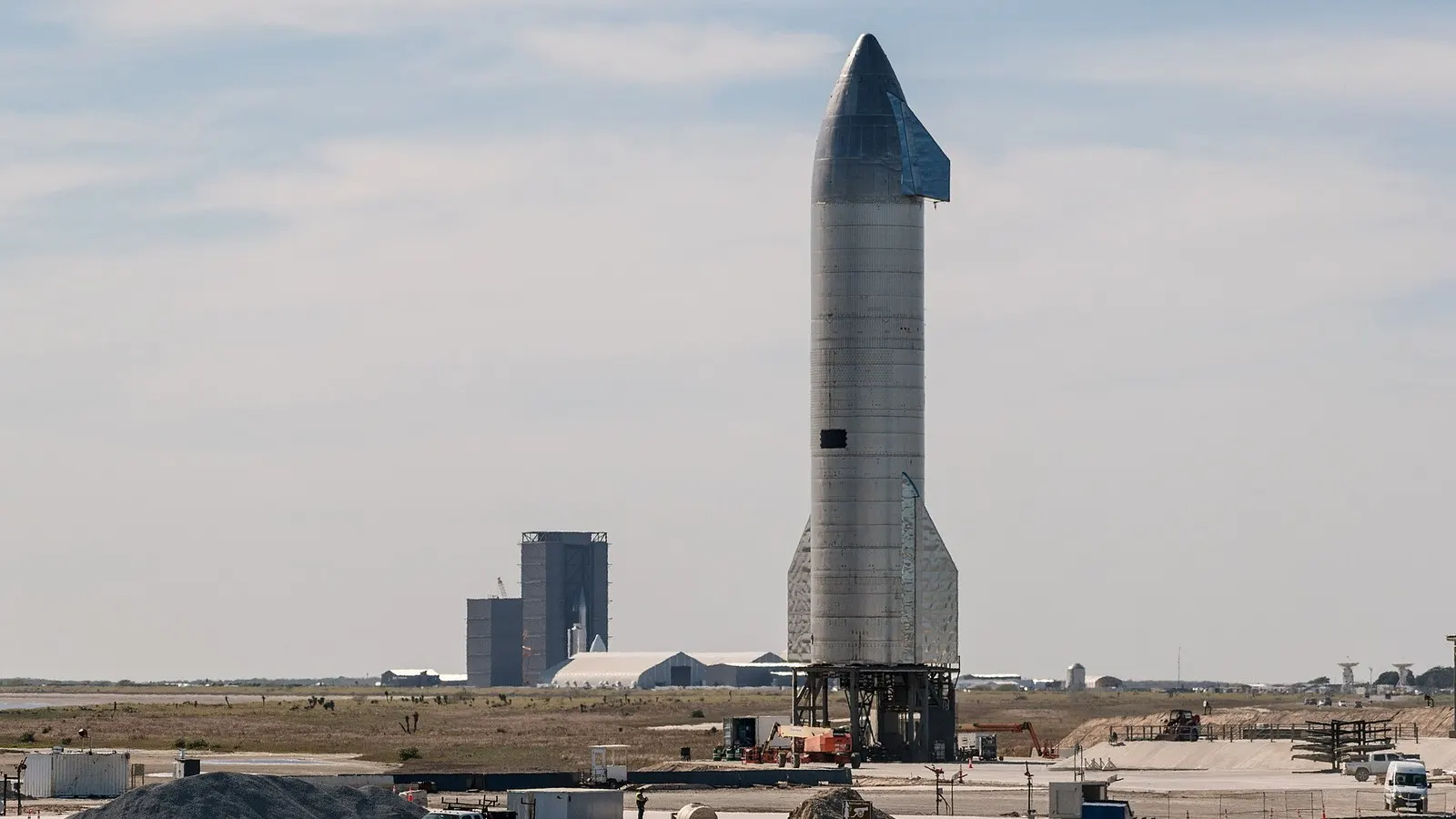
SpaceX caught its returning Starship spacecraft with the mechanical "chopsticks" of its Texas launch tower on Saturday, the first capture of a Starship from space after a 14-orbit test flight.
The flight began with a booster loss. The Super Heavy exploded over the Gulf of Mexico shortly after Friday's launch, and SpaceX's planned recovery was aborted.
SpaceX officials said the catch demonstrates Starship's full reusability, although the company had previously caught only boosters this way. The trip from launch to capture took about 22 hours, making it Starship's longest orbital flight to date.
At around 4:20 p.m. ET, Starship descended through clouds, turned upright and moved between the tower arms.
"Look at her! Baby, she's back!" SpaceX commentator Dan Huot shouted when the arms caught Starship.
Loud cheers followed, while "Baby Come Back" by Player played on the video feed. Huot told AFP the catch was "the Holy Grail of space flight, plummeting through fire to be snatched out of the air by steel," BBC News reported.
During the flight, Starship released 26 Starlink satellites. SpaceX said the spacecraft's systems appeared to work well, including its heat shield.
Booster lost after launch
Flight 15 marked SpaceX's first attempt to capture both the booster and the rocket's upper stage on one flight, CNBC reported. The booster was redirected toward an offshore splashdown, but it exploded before reaching the water.
On the booster's descent, its engines shut down prematurely, SpaceX's Kate Tice said. Its guidance system detected that the booster was out of position and automatically triggered self-destruction, she said. SpaceX engineers are still investigating what caused the failure.
It remained unclear whether the Federal Aviation Administration would require an investigation into the mishap, whether SpaceX would reuse the captured Starship and when another test flight might occur.
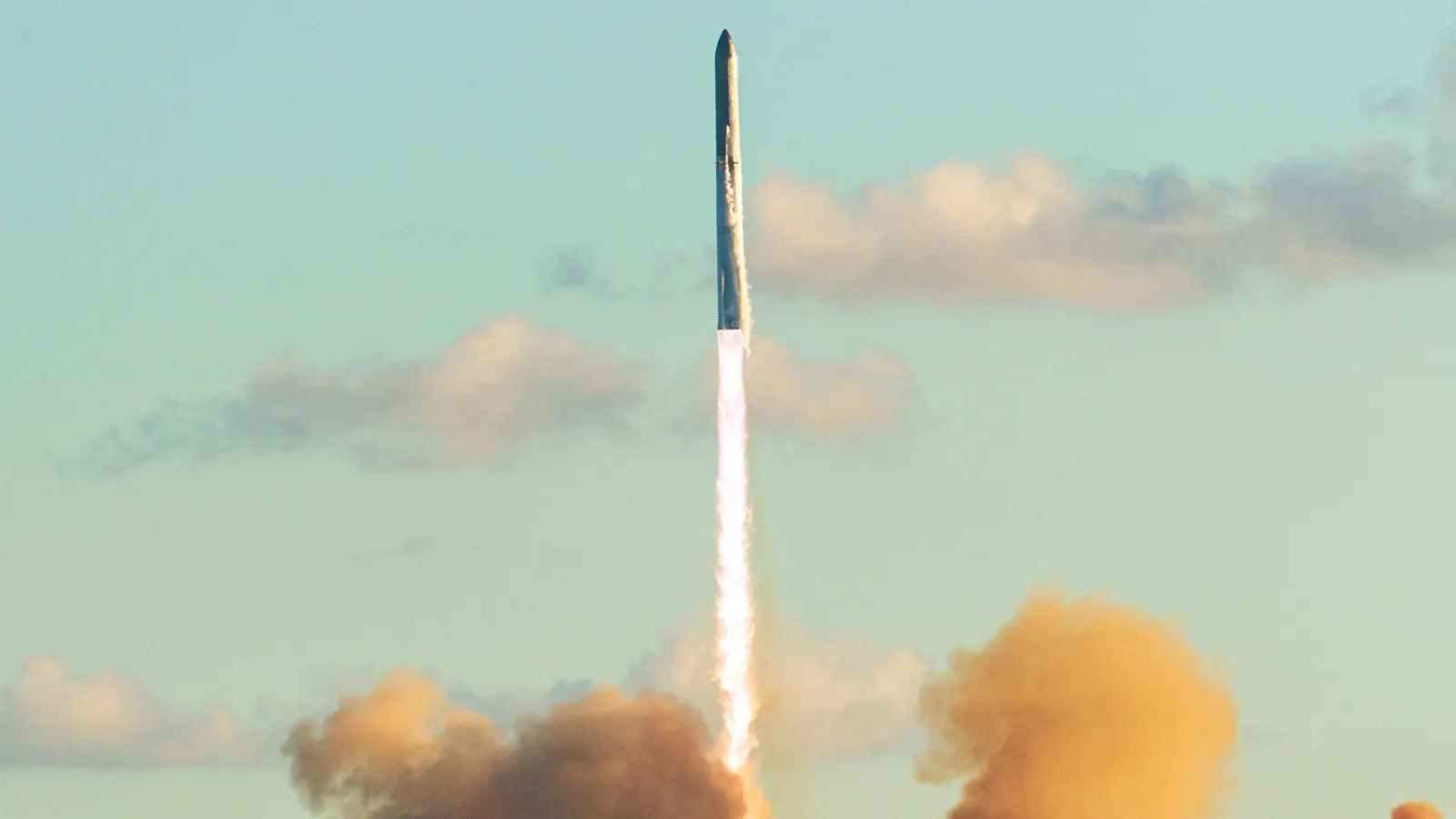
The rocket launched late Friday afternoon from SpaceX's Starship base near the U.S.-Mexican border for the system's 15th test flight. At 407 feet (124 meters) tall, it surpasses all other rockets in size and power.
The Hawaii Department of Transportation temporarily halted some West Coast flights Friday because of debris risk from the flight. That order has since been lifted.
Flight 15 was only Starship's second orbital trip since full-scale flights began in 2023, The Associated Press reported. The preceding mission made one to two laps around Earth, and SpaceX had caught three boosters before this flight.
Ahead of the flight, SpaceX CEO Elon Musk said during its third-quarter earnings call: "success is not guaranteed on these first flights, but I'd say it's more likely than not that this succeeds next flight."
NASA's lunar plans
NASA is paying billions of dollars for Starship to take Artemis astronauts to the moon later this decade and help build a permanent lunar base. NASA Administrator Jared Isaacman wrote on X that "It was almost magic," and said the flight was "Making more believers by the day."
CNBC described Starship as necessary for launching more satellites for Starlink, which it called SpaceX's current profit center. The network already has more than 11,000 satellites in low Earth orbit, and SpaceX has said a single Starship can carry up to 60 Starlink v3 satellites.
Musk wants a fleet of Starships to build a city on Mars.
SpaceX expects Starship launches from NASA's Kennedy Space Center in Florida to begin within the next few months. NASA's next Artemis mission will depart from there and remain in orbit around Earth for lunar lander practice. NASA is targeting as soon as 2028 for Artemis IV, which would mark the first moon landing since the Apollo era.
Sources
- Deutsche Welle: SpaceX carries out first-ever spaceship capture
- AP News: SpaceX’s Starship returns from orbit and is captured by launch pad arms in a dramatic first
- The Verge: Watch SpaceX successfully execute the first ‘chopstick’ catch of Starship
- BBC News: SpaceX successfully catches part of Starship rocket on its return to Earth
- CNBC: SpaceX catches upper stage of Starship rocket in historic first