SpaceX sends Starship into orbit but diverts its booster
The diversion ended SpaceX's bid to recover both stages at the launch pad; the reason for the change remains unknown.
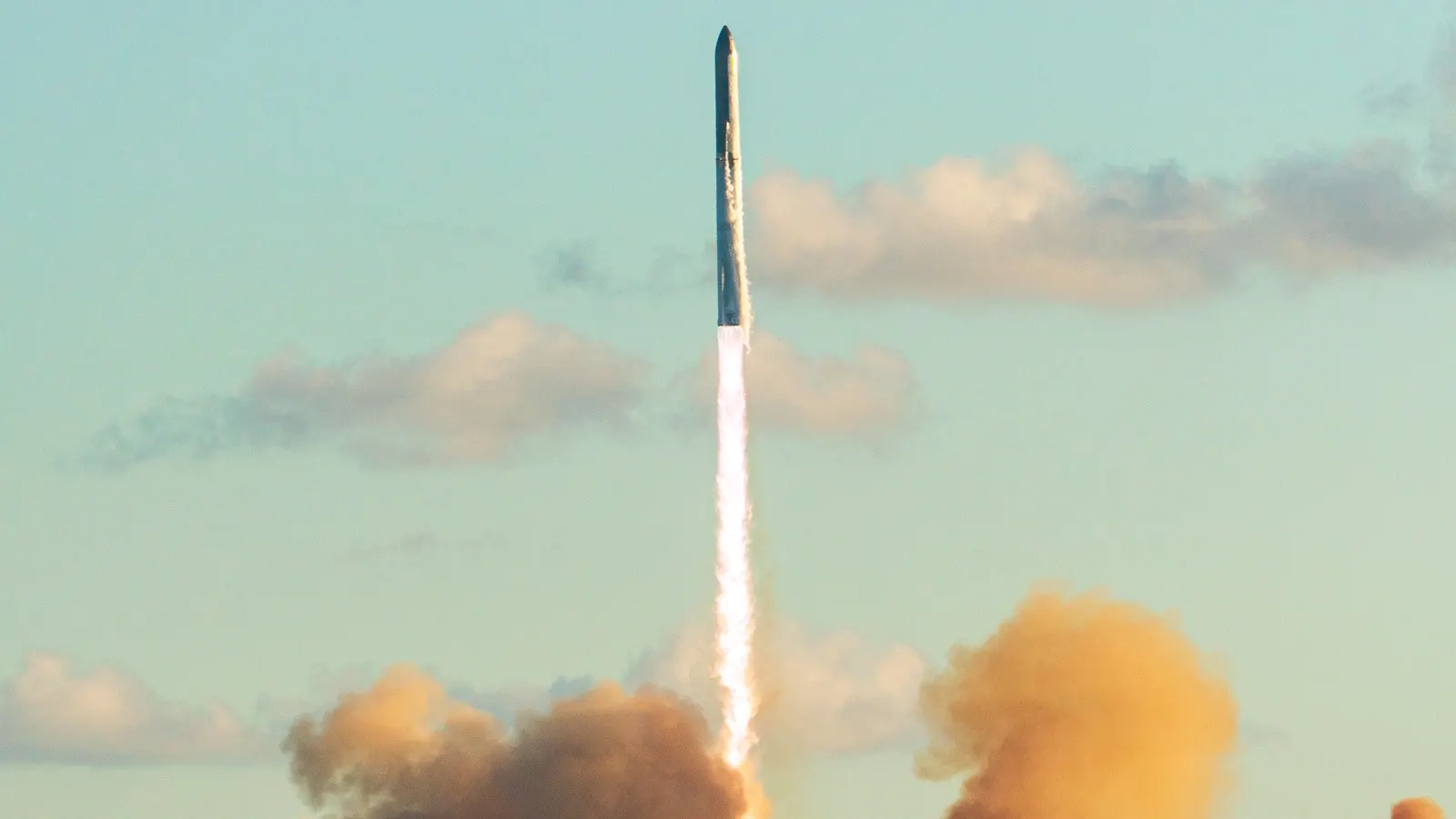
SpaceX sent Starship into orbit on Flight 15 from Texas on Friday, but diverted its Super Heavy booster into the Gulf of Mexico instead of catching it at the launch tower.
The booster plunged into the Gulf in flames, ending SpaceX’s bid to bring the whole Starship back to the launch pad, The Associated Press reported. SpaceX had planned the catch roughly 6.5 minutes into the flight; it would have been the first such attempt with a next-generation Super Heavy “V3” vehicle.
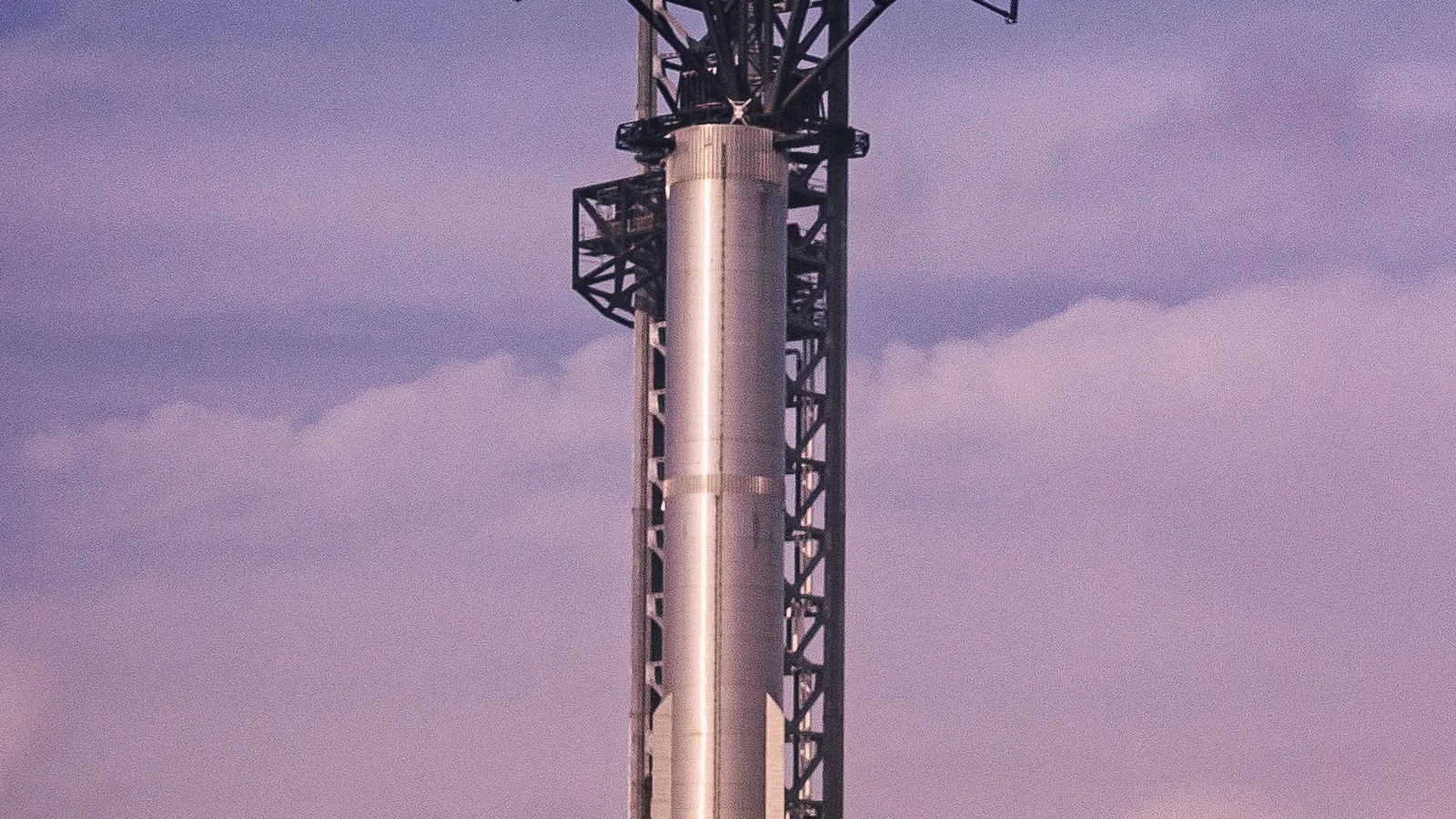
The Ship upper stage, meanwhile, is due back at the Texas pad on Saturday, barring further trouble, for a tower catch after roughly 22 hours and about 14 orbits of Earth. SpaceX calls the recovery of both stages at the pad the “Holy Grail of rocketry.”
A successful attempt “will mark the first full recovery of an orbital launch system and a breakthrough moment in making Starship a reliable, rapidly reusable rocket,” SpaceX wrote in its Flight 15 mission description.
The reason for the booster’s diversion remains unknown, The Guardian reported. It was not immediately clear whether the Ship had passed its in-orbit checks and received clearance for the catch.
Heat shield inspection
The Ship was scheduled to begin deploying 26 Starlink V3 satellites about 35 minutes after launch. Three carry cameras to examine the Ship’s heat shield and help controllers determine whether it can safely return to the tower.
SpaceX said it would attempt the catch only after a careful assessment of the vehicle in space. If controllers detect problems, they can bring the Ship down in the Pacific Ocean or redirect its reentry into the Gulf.
The return would take the Ship over sparsely populated parts of northern Mexico and southern Texas, marking its first reentry over inhabited areas, Space.com reported. The plan calls for a bellyflop maneuver during descent to Starbase’s Pad 2, followed by a vertical flip for capture by the tower’s mechanical arms, known as “chopsticks.”
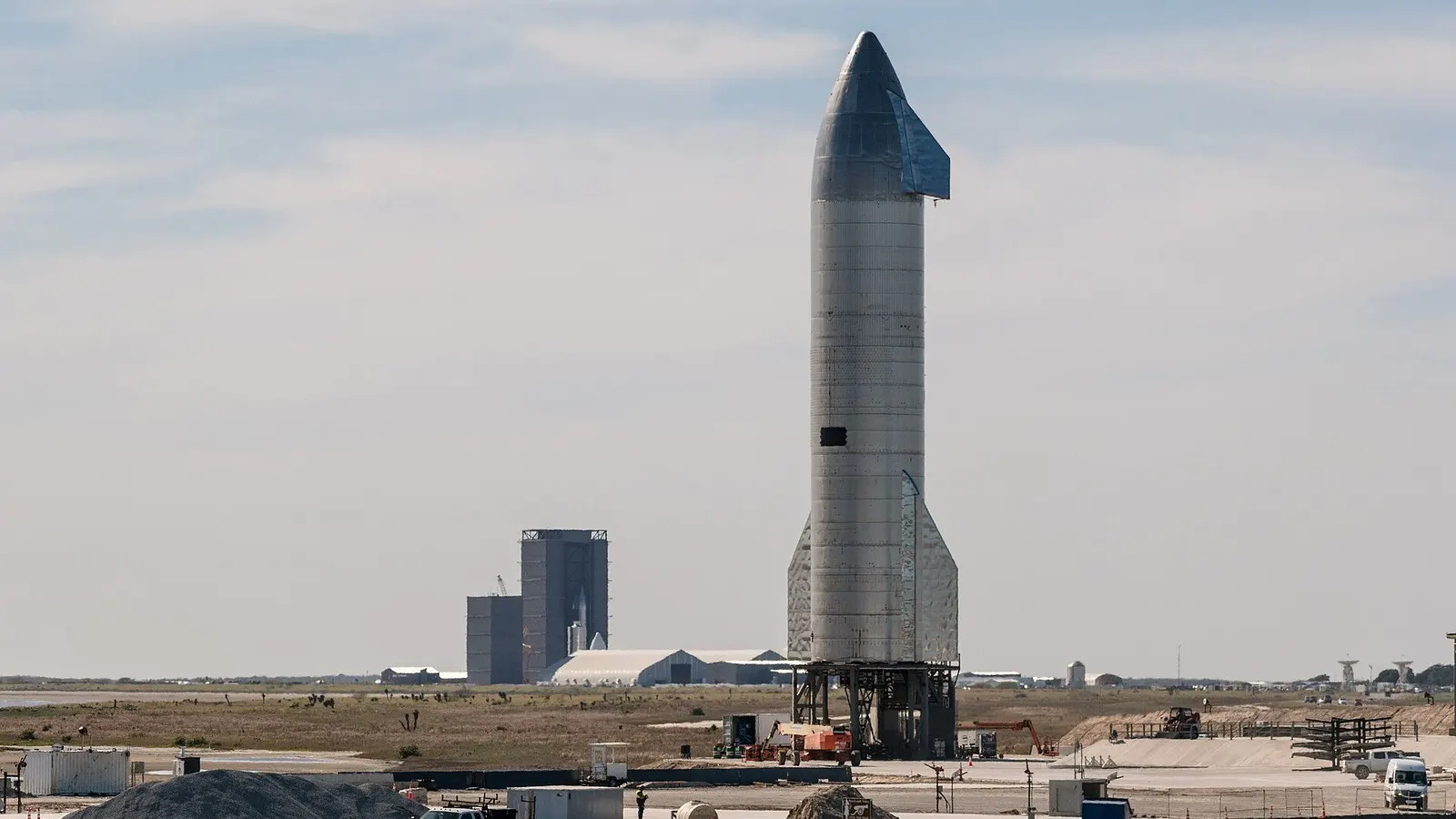
SpaceX had previously caught the Super Heavy booster on three test flights and reused two of the recovered boosters. The upper stage first reached orbit in September but has never been caught; on earlier flights it splashed down in the ocean.
On Nov. 6, SpaceX chief executive Elon Musk wrote on X that if both catches succeeded, “it will mark the first time that all parts of an orbital rocket return to Earth intact.” In October, he told investors that Flight 15 was “more likely than not” to succeed.
SpaceX will attempt to catch both the Super Heavy booster and Starship on the upcoming flight.
— Elon Musk (@elonmusk) November 6, 2026
If both are successful, it will mark the first time that all parts of an orbital rocket return to Earth intact.
This is the critical breakthrough needed to make life multiplanetary.
Malcolm Macdonald, president of the Royal Aeronautical Society, said ahead of the flight that a successful double catch “would be visually spectacular, but full reusability has the potential to fundamentally change the economics of accessing space.”
“One successful flight will not prove that model, but it could mark an important transition: from demonstrating that Starship can fly, to demonstrating how Starship could operate,” Macdonald said.
SpaceX said in comments filed with the Federal Aviation Administration in late October that it “anticipates conducting 10,000 launches per year itself.”
Starbase currently has authorization for 25 launches a year, while Flight 15 is Starship’s fourth launch of 2026.
Musk said on an August SpaceX earnings call that he expects weekly Starship flights at some point in the first half of 2027, rising to twice weekly or more by the end of 2027. On that call, he also gave “early next year” as the goal for reflying the Super Heavy and Ship.
Lunar landing plans
NASA has contracted SpaceX to turn the Ship into an Artemis lander that would carry astronauts down to the Moon.
Blue Origin, owned by Jeff Bezos, holds a NASA lunar lander contract as well. It now expects to return to flight in early 2027; an explosion earlier this year destroyed its rocket and Florida launchpad.
NASA aims to land humans on the Moon in 2028, with Artemis III planned for summer 2027.
Sources
- BBC News: Elon Musk’s SpaceX to attempt double catch of Starship rocket
- The Guardian: SpaceX Starship megarocket blasts off before expected return for reuse
- AP News: SpaceX aims for first double catch of Starship in its most ambitious test flight yet
- Axios: SpaceX will try catching its massive Starship rocket for the first time
- Space: Double-catch drama: Why Starship's Flight 15 is so important to SpaceX
- Elon Musk (@elonmusk) on X