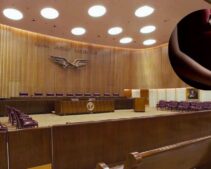


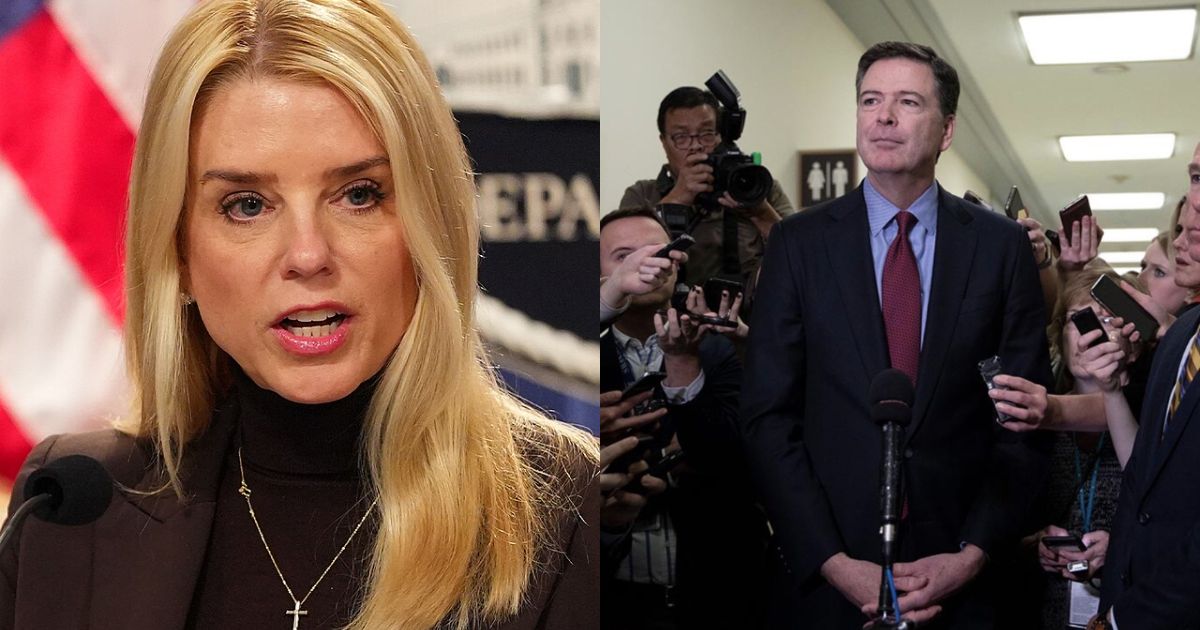
A federal magistrate judge has delivered a major blow to the Justice Department’s case against former FBI Director James Comey, ordering prosecutors to hand over secret grand jury materials after finding what he called a “disturbing pattern” of errors by the Trump-installed prosecutor leading the case.
The extraordinary ruling, issued by U.S. Magistrate Judge William Fitzpatrick, suggests the government’s handling of the investigation may have been so flawed that Comey’s indictment could collapse before it ever reaches trial.
Comey, who has pleaded not guilty to false-statement and obstruction charges tied to 2020 congressional testimony about FBI leaks, is scheduled to stand trial on Jan. 5. But Fitzpatrick signaled Monday that the prosecution itself may be fatally compromised, citing what appeared to be repeated missteps by interim U.S. Attorney Lindsey Halligan, the lone prosecutor who presented evidence to the grand jury.
“The Court recognizes that the relief sought by the defense is rarely granted,” Fitzpatrick wrote. “However, the record points to a disturbing pattern of profound investigative missteps, missteps that led an FBI agent and a prosecutor to potentially undermine the integrity of the grand jury proceeding.”
In his 24-page opinion, Fitzpatrick said Comey’s due-process rights outweighed the traditional secrecy of grand jury proceedings. He ordered prosecutors to turn over the records to Comey’s legal team by the end of Monday, calling the situation “an extraordinary remedy” necessitated by the government’s own conduct.
Although Fitzpatrick did not call out Halligan by name, another federal judge confirmed last week that she was the only prosecutor to appear before the grand jury. Fitzpatrick said that “the prosecutor” made at least two statements that amounted to “fundamental misstatements of the law,” both of which were redacted from the opinion. But the judge described them as so serious they may have misled jurors about the very foundation of the case.
One remark, Fitzpatrick said, implied that Comey did not have a Fifth Amendment right to decline to testify at trial, potentially leading grand jurors to believe Comey bore the burden of proving his innocence. Another comment “clearly suggested” grand jurors could assume the government possessed additional, stronger evidence that would appear later at trial, despite not being shown it at the time.
Fitzpatrick noted these misstatements came when grand jurors asked “challenging questions,” raising the possibility they relied on incorrect legal explanations when deciding whether to indict.
The judge was also troubled by the sequence of events that produced Comey’s indictment. The grand jury initially rejected at least one count, yet Halligan appeared before a judge shortly afterward with a new indictment already drafted, signed, and—according to prosecutors—approved by the same grand jury. Fitzpatrick said nothing in the record shows the second indictment was ever properly presented or deliberated, calling the timeline “implausible.”
Adding to the concerns, Fitzpatrick said Halligan’s case relied entirely on the testimony of a single FBI agent who may have reviewed attorney-client–protected material belonging to Comey. The agent knew he might have improperly accessed privileged documents but testified to the grand jury anyway. The judge called the government’s decision to use that testimony “highly irregular and a radical departure from past DOJ practice.”
He also criticized prosecutors for failing to obtain a new warrant before repurposing materials from earlier searches, writing that the Justice Department showed a “cavalier attitude” toward protecting privileged information and may have been rushing to beat a statute-of-limitations deadline.
The Justice Department can appeal Fitzpatrick’s ruling to U.S. District Judge Michael Nachmanoff, who is overseeing the case. Halligan’s office declined to comment, and DOJ spokespeople did not respond.
Comey’s legal team, meanwhile, is already pushing to have the indictment dismissed outright, arguing that the tainted grand jury process makes a fair trial impossible. Fitzpatrick’s decision now gives them the ammunition they need and leaves the government scrambling to keep the case alive.