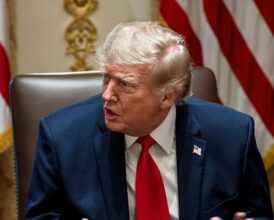


A growing number of reports suggest that Donald Trump’s response to the Epstein files, along with rising questions about his health, is changing how even his loyal supporters view him. Salon’s Amanda Marcotte analysis points to signs that the president’s physical and mental condition may be declining.
Trump spent months trying to block the release of FBI documents related to Jeffrey Epstein, a former associate. Then, in a surprising turn, he posted on Truth Social that “House Republicans should vote to release the Epstein files.” This statement gave an impression of transparency, but Marcotte reports that behind the scenes, Trump and Attorney General Pam Bondi seem to be trying to slow or limit the files’ release.
Trump has urged Republicans to “not talk about it too much,” claiming the scandal is “really a Democrat problem.” He has also floated conspiracy theories that suggest any incriminating information about him has been made up. Many people have observed that the president sounds more anxious than decisive, which increases suspicion about what he might be hiding or who he is protecting.
The reaction on Capitol Hill has changed as well. Not long ago, ignoring the Epstein files was seen as a sign of loyalty to Trump. This week, however, almost all House Republicans joined Democrats to push for the documents to be released. As the Washington Post’s Natalie Allison reported, this vote reflects a growing trend of conservatives being more willing to challenge Trump on issues like the economy and immigration.
Marcotte points to another reason for the shift: concern over the president’s health. She notes, “There’s no small amount of wishful thinking fueling the constant chatter about the issue on the left, but the public evidence that the 79-year-old president is not doing well is hard for even the most diehard MAGA types to ignore.”
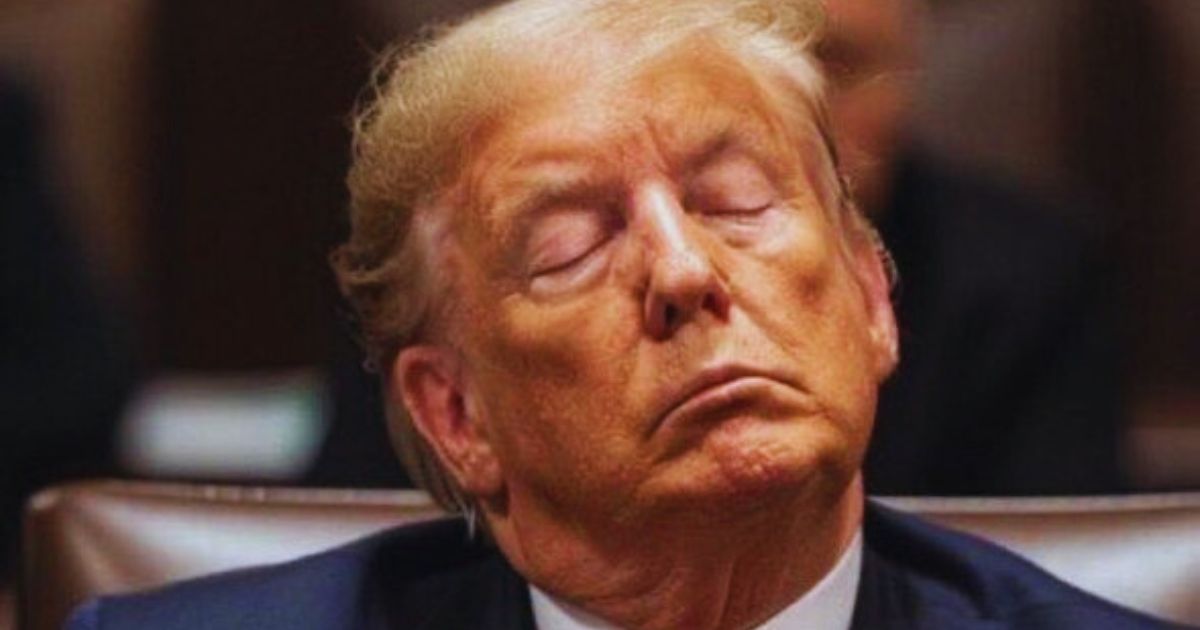
Public speculation has increased due to reports about Trump’s bruised hands, swelling, unsteady behavior, and accounts of him dozing off during televised events. An unexplained MRI, which Trump has chosen not to discuss, has intensified this scrutiny. His recent public appearances, coupled with political setbacks, declining poll numbers, and the Epstein file controversy, have added to the perception that he is mentally fatigued.
The White House insists that the president is in excellent health, but these denials have done little to quell speculation. Some longtime supporters have started to openly acknowledge his reduced presence, signaling a shift from the more unified Republican messaging of previous years.
Trump has attempted to project confidence with new symbolic actions, such as building a White House ballroom and handing out ‘Trump 2028’ hats, along with hints about an unconstitutional third-term run. Still, these efforts have not alleviated concerns. GOP Rep Thomas Massie, who helped push the Epstein vote to the floor, warned his colleagues, “In 2030, he’s not going to be the president.” This sent a clear message to Republicans that the Trump era may be nearing its end.
Rumors about Trump’s health continued through the fall, including a viral claim that he died over Labor Day weekend. His frequent slips and mysterious health checks have not helped his case.