Trump administration proposes 20% duty on most Chinese imports
The proposed duty would come on top of 2018 levies, while EU imports remain subject to a 15% cap.
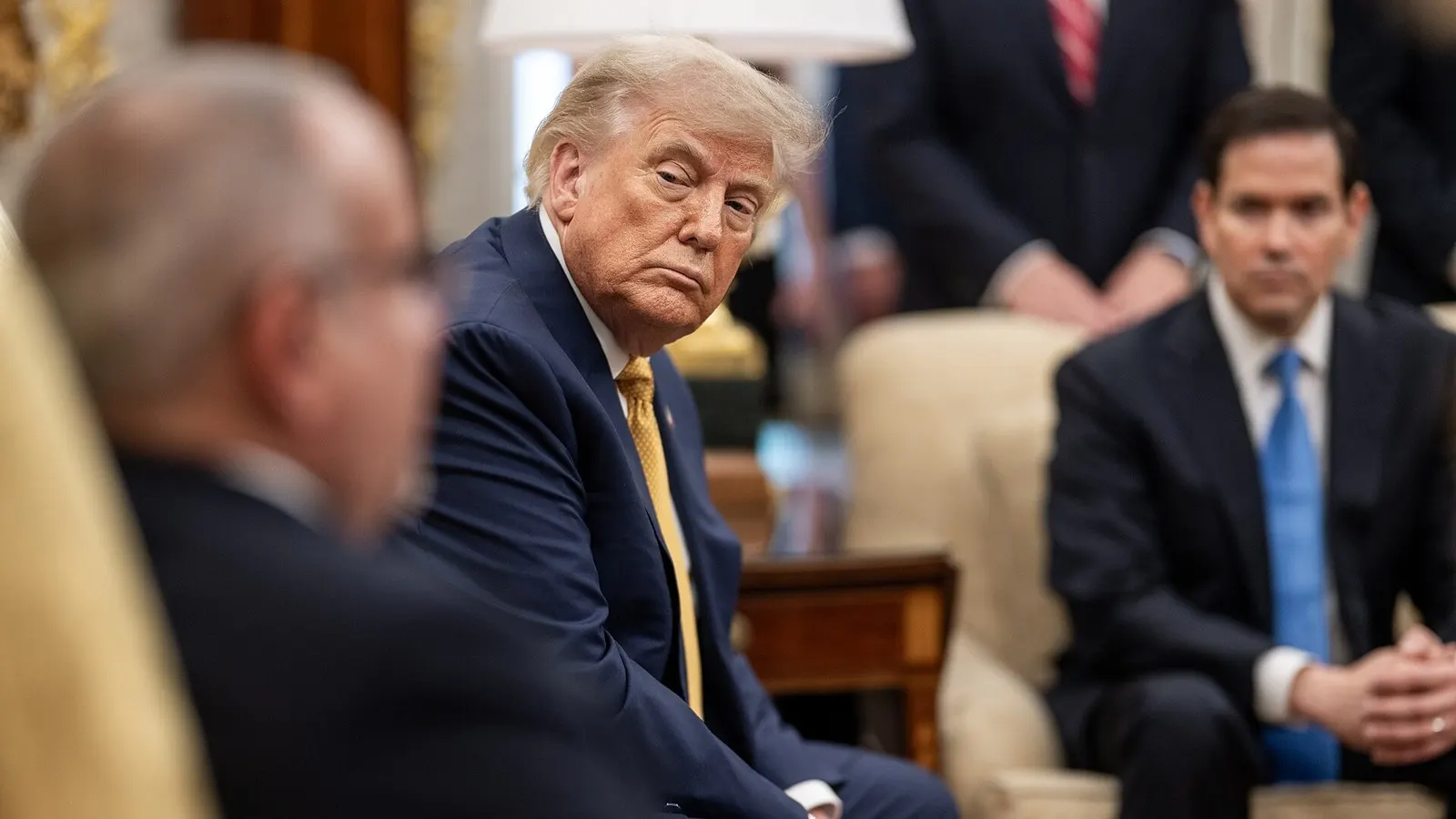
The Trump administration proposed tariffs Wednesday on China, the European Union and 12 other economies following a Section 301 inquiry into what it calls excess industrial capacity.
The administration says foreign industrial policies, often backed by government subsidies, cause companies to make more than global buyers can absorb, undercutting U.S. producers. Its plan would add a 20% duty to most Chinese imports, on top of levies from 2018.
U.S. Trade Representative Jamieson Greer said each partner’s overall rate would remain within the levels established in earlier bilateral framework deals. “When it all nets out, it really will just top up a few percentage points,” Greer told CNBC.
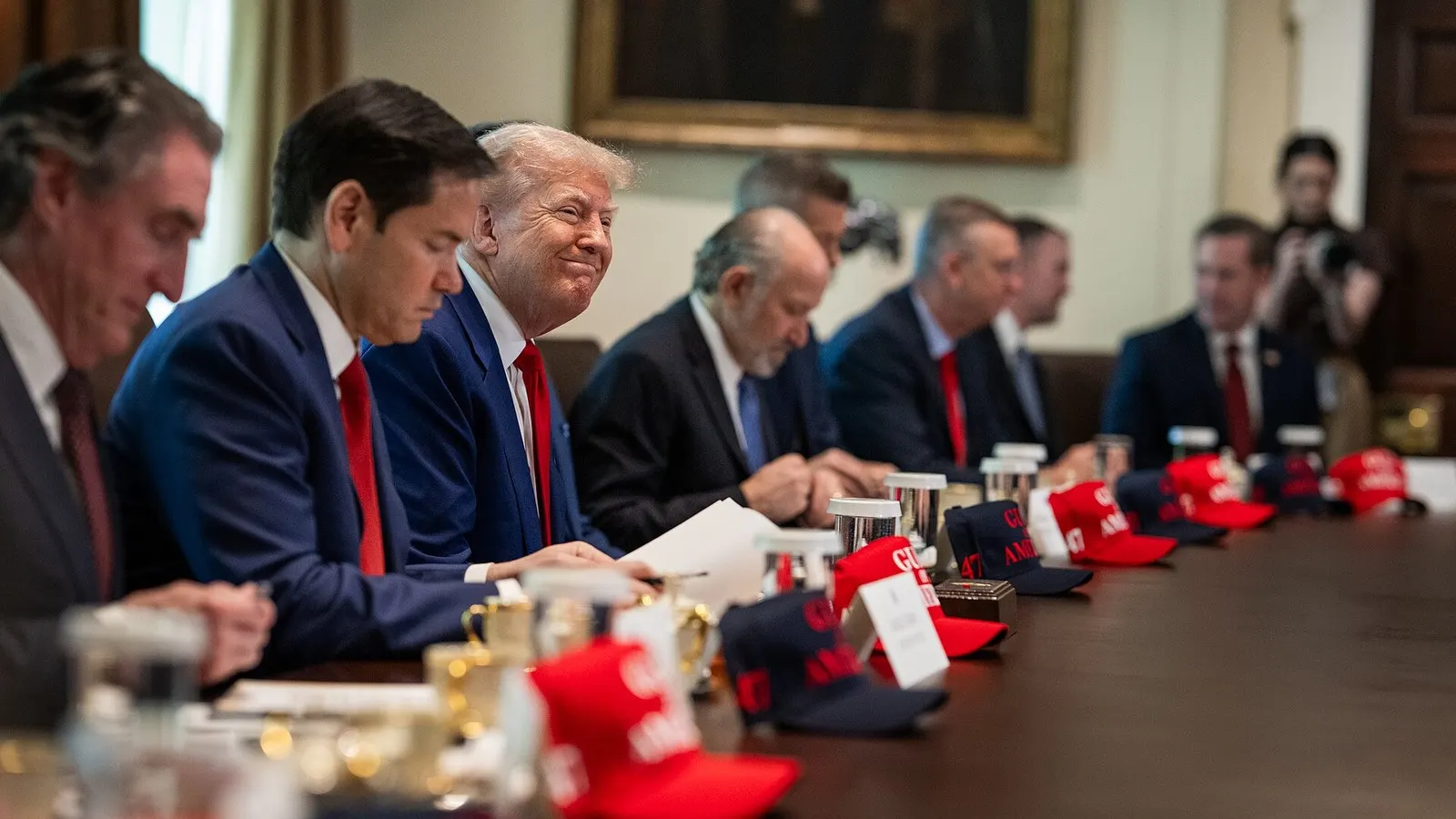
The Wall Street Journal first reported that an announcement was coming, while Bloomberg reported the plans Tuesday, Politico and The Associated Press said. A senior official briefed reporters on a late-night call Tuesday before the proposals were released early Wednesday, the day before Thanksgiving.
China’s Foreign Ministry said Wednesday that overcapacity does not really exist, before the U.S. Trade Representative’s office released its reports, CNBC reported, citing Reuters.
“The so-called overcapacity is a false narrative, and China opposes using it as a pretext for political manipulation,” Foreign Ministry spokesperson Guo Jiakun said.
Greer reaffirmed Wednesday that EU imports are subject to the 15% cap Trump accepted in a 2025 deal. The EU, Japan, South Korea, Taiwan and Switzerland face rates of 15%, including standard import duties, Axios reported.
China is the exception to the plan’s rule against adding the new duties on top of existing tariffs.
Trade truce and court ruling
Section 301 of the Trade Act of 1974 gives Washington authority to respond to foreign trade practices considered unfair, discriminatory or burdensome to U.S. commerce.
The U.S. and China reached a truce in Busan, South Korea, in October 2025, and tariffs on Chinese exports to the U.S. subsequently fell to 47%.
The Supreme Court ruled in February that Trump could not declare an economic emergency to levy across-the-board tariffs, striking down duties he had imposed under the International Emergency Economic Powers Act. Trump then imposed a 10% global tariff under a different section of the 1974 law. The White House has since turned more often to Section 301, NBC News reported.
A senior official told The Associated Press that Beijing would not be surprised by the tariffs and that they were unlikely to damage the truce, which expires Jan. 10. Trump plans to host Chinese leader Xi Jinping next month at the Group of 20 summit in Florida, where the AP said they could discuss the truce, rare earth minerals and China’s purchases of American agricultural products again.
U.S.-Canada trade talks collapsed in August after Prime Minister Mark Carney said the administration sought uneconomic and unfair terms at the last minute. Carney recalled Canada’s negotiators to Ottawa.
Politico described the proposals as a major step toward restoring the global duties overturned by the court. The AP said the measures are also intended to help replace revenue lost because of the ruling.
Greer accused the EU of aggressively supporting Airbus weeks before the announcement. He has said a European Investment Bank loan to the company threatened to inject “substantial uncertainty into transatlantic trade in the aerospace sector.” The EU said Greer had “really no grounds” to question the loan.
Democrats won majorities in both the House and Senate in this month’s elections. About two-thirds of midterm voters said Trump’s policies had worsened the economy, according to The AP Voter Poll.
Trump has promised that import taxes will restore manufacturing jobs and reduce the federal deficit. But the AP reported that last year’s tariffs contributed to higher inflation, angering voters and prompting Democrats to call for congressional approval of future tariffs. Axios reported that post-election polling shows relatively little support for higher tariffs, including among Trump’s base.
Markets and the proposals ahead
The prospect of further tariffs weighed on global stocks overnight, particularly in Asia, Axios reported. U.S. futures were sharply lower early Wednesday.
Brazil faced extra measures after trade talks stalled, following U.S. tariffs of 25% imposed in July. The proposed 10% duty on previously exempt Brazilian aircraft would affect Embraer, the country’s largest aircraft maker. Higher sugar tariffs would apply to imports above existing quotas, whatever their origin.
Canada was not included in the investigation. A senior official nevertheless said that did not amount to a clean bill of health. Informal talks have recently resumed, and Greer said Wednesday that discussions continued over outstanding sticking points.
The proposals must go through public comment and hearings, and a U.S. official said they could take effect as early as January. “They know what we're proposing,” Greer said. He said he did not expect the tariffs to take effect earlier than a couple of months from now and anticipated broad negotiations with trading partners.
Sources
- NBC News: Trump proposes a new wave of tariffs on China, E.U. and other trade partners
- Axios: Trump prepares new round of tariffs on China, other U.S. trading partners
- CNBC: U.S. proposes new tariffs on 14 trading partners, including China and the EU
- BBC News: US announces new tariff proposals on EU, China, and other trade partners
- AP News: US plans to hike tariffs on China, EU, Brazil and others over subsidized production
- Politico: Trump administration tees up tariff hikes on EU, China, others