

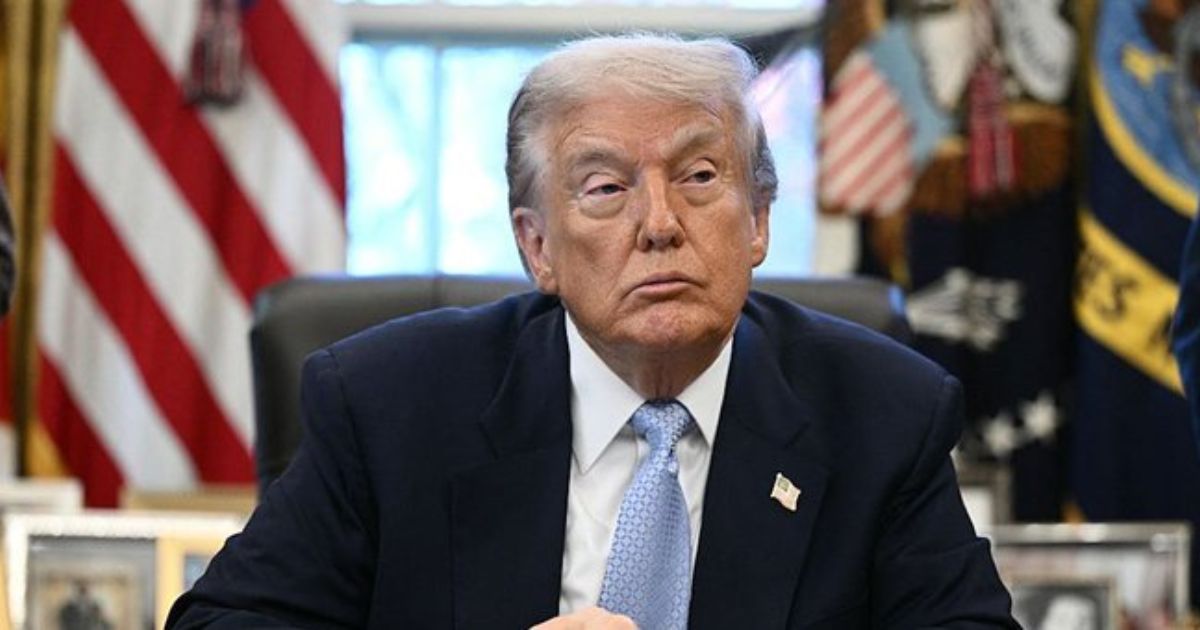
Peace doesn’t seem a solution these days, as once again a scene came where a country attacked another, and this time it came on Saturday, in the likes of the US striking Venezuela. And on top of that, President Nicolas Maduro had been captured and flown out of the country as well. Catastrophic explosions went on through Caracas in the early hours of the morning, and it eventually brought global leaders to the table, responding to the scene, and highlighting it as a fractured world sharply divided over Trump’s latest power move.
Colombia panics as blasts hit Caracas
Colombia was among the first to react, sounding the alarm over the sudden violence next door. President Gustavo Petro said Bogota viewed with “deep concern the reports of explosions and unusual air activity” and firmly rejected “any unilateral military action that could aggravate the situation or put the civilian population at risk.”
Iran digs in and dares the U.S.
Iran responded with open defiance. Supreme Leader Ayatollah Ali Khamenei made it clear his country would not back down, declaring, “We will not yield to the enemy,” as tensions threatened to spiral far beyond South America.
Europe urges calm while nerves fray
Spain tried to play peacemaker, urging restraint and offering its “good offices to achieve a peaceful and negotiated solution.” Indonesia echoed the call, pressing for dialogue and warning against harm to civilians caught in the crossfire
DEAR DONALD TRUMP,
THANK YOU FOR SUBMITTING YOUR APPLICATION TO THE NOBEL PEACE PRIZE COMMITTEE. WHILE WE REVIEW YOUR “VERY PEACEFUL” ATTACK ON VENEZUELA, WE SUGGEST YOU APPLY TO THE INTERNATIONAL COURT AT THE HAGUE. WE BELIEVE YOU ARE EXACTLY WHO THEY’RE LOOKING FOR. pic.twitter.com/lBc3eio4p4
— Governor Newsom Press Office (parody) (@AwesomeNewsom) January 3, 2026
Caribbean ally backs away fast
Trinidad and Tobago rushed to distance itself from the chaos. Prime Minister Kamla Persad-Bissessar stressed her country was “NOT a participant in any of these ongoing military operations,” making clear it wanted no part of Trump’s showdown.
European backlash explodes
Across Europe, criticism turned blistering. German lawmaker Roderich Kiesewetter accused Trump of torching alliances, warning, “Trump is destroying what was left of any trust in the U.S.” In Britain, Reform UK leader Nigel Farage struck a controversial tone, calling the strikes “unorthodox and contrary to international law,” but still suggesting they “may be a good thing.”
Italy was far less forgiving. Former Prime Minister Giuseppe Conte slammed the operation as having “no legal basis,” warning ominously that if rules only apply to enemies, “no one can feel safe anymore.”
Legal experts tear into Trump’s claim
International law experts piled on. Chatham House’s Marc Weller dismissed the justification outright, saying, “Clearly, none of these requirements are fulfilled by the armed operation against Venezuela.
🚨 In response to the attack on Venezuela , Elon Musk changed the Like button on X, signaling solidarity and highlighting the platform’s sense of humanity toward Venezuela. #venezuelalibre Nicolás Maduro
The maduro
The US president Donald Trump
Saddam Hussein pic.twitter.com/2dFtmP6o7q— UasinGishuX (@UasinGishuX) January 3, 2026
Chaos inside Venezuela
Inside Caracas, confusion reigns. Vice President Delcy Rodriguez is seen as a possible successor, while senior officials urged resistance and warned citizens not to cooperate with what Interior Minister Diosdado Cabello branded the “terrorist enemy.” Maduro’s fate remains murky. Trump said the operation was carried out “in conjunction with U.S. Law Enforcement,” raising speculation about a possible U.S. trial, echoing the dramatic capture of Panama’s Manuel Noriega decades ago.
Fallout at home and abroad
The strikes risk igniting wider conflict. Russia, Iran, and Cuba condemned the operation, while Latin American nations pushed for an emergency UN Security Council meeting. Back home, Trump faces blowback too. Lawmakers are demanding answers about the legal authority behind the strikes, and even some “America First” supporters are uneasy about another overseas military escalation.
Oil and money on the line
Venezuela’s state oil giant PDVSA insisted production is continuing, but analysts warn oil prices could spike in the short term as the crisis unfolds, before possibly sliding later if sanctions are lifted under a new government.