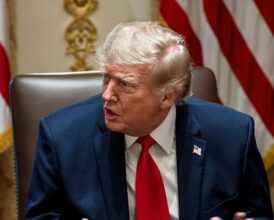


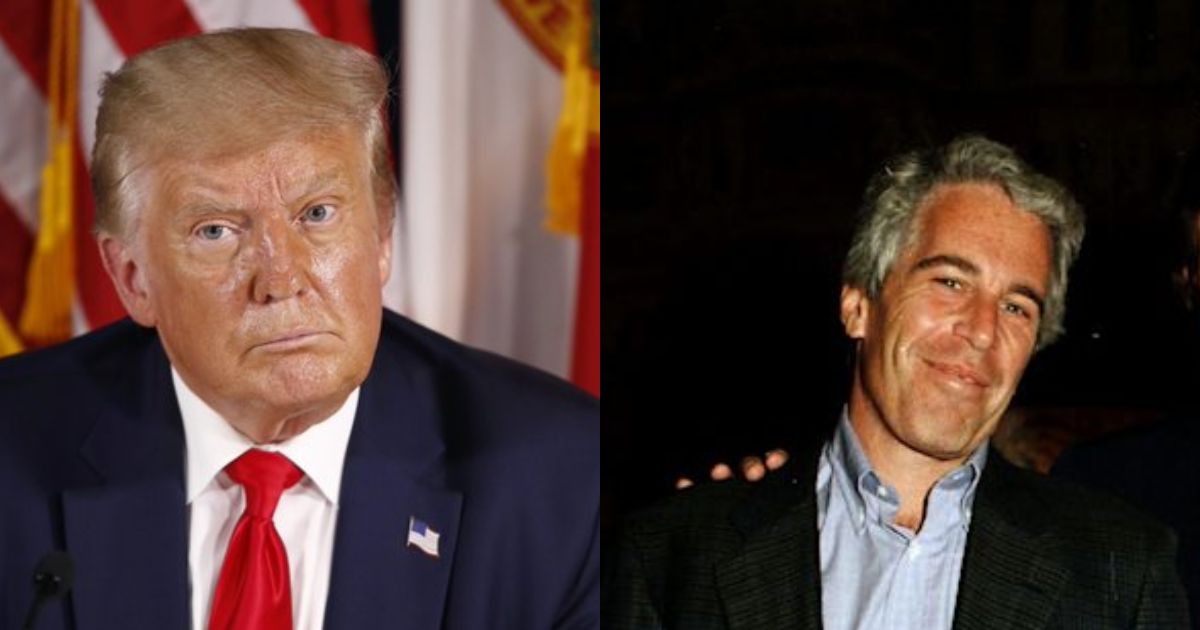
President Donald Trump is urging the Department of Justice to release the names of Democrats he says were linked to documents in the Jeffrey Epstein files, a move that has deepened political debate over transparency and politics attached to the case.
In a Truth Social post on Dec. 26, Trump wrote that the DOJ was being forced to spend all its time on what he called a “Democrat inspired Hoax,” and insisted that “The Dems are the ones who worked with Epstein, not the Republicans. Release all of their names, embarrass them, and get back to helping our Country!” — a call that sent his supporters and critics alike into a frenzy.
The backlash and attention come as the Justice Department continues to release batches of Epstein-related material under the bipartisan Epstein Files Transparency Act, a law passed and signed by Trump requiring disclosure of records tied to Epstein’s investigations, subject to victim-privacy redactions.
Reuters reports that justice officials recently acknowledged that over a million more documents potentially related to the Epstein case have been found and are being reviewed before public release, delaying complete disclosure and keeping the process ongoing.
Trump’s demand for names has put lawmakers, legal experts and cultural commentators at odds over the purpose of the releases and how they should be used. According to CBS News, Trump argued that the public deserves to see all names in the Epstein files, especially those of prominent Democrats, even though the files themselves do not indicate wrongdoing by anyone named.
The files that have been released so far include thousands of records, photos, emails and transcripts. Many of them show references to high-profile figures, but not evidence of criminal conduct. CBS News, which is maintaining a searchable database of the documents, notes that mentions of figures like former President Bill Clinton appear in the materials, but do not prove illegal actions.
Blanche says the Southern District of NY just discovered a million documents from the Epstein files
Katie tells them to f'k off because those documents were handed over to the DOJ last January
The bullshit from his defense team never ends#DemsUnited #DV1pic.twitter.com/LeowyrzO4o— Skipper (@DogsRgrr8) December 27, 2025
Trump’s demand has revived contentious discussions about his own presence in the files. Critics have pointed to reporting showing that Epstein and Trump traveled in the same social circles for years, and that federal documents included references to Trump’s contacts with Epstein. However, the files released so far do not show criminal involvement by Trump either.
The political reaction has been sharp. Some GOP lawmakers have backed full transparency, saying the documents should be released without redaction. Others, including Democrats and victim advocates, argue that redactions are necessary to protect privacy and comply with the law, not to hide information.
DOJ missed the Dec 19 deadline and now says it found over a million more Epstein-related documents and needs weeks to review them. That is a process failure, not a Deep State demon. Want sunlight? Demand an index, a schedule, and a redaction log. Not arson. https://t.co/O0w6d1oPeY
— Mike Young (@micyoung75) December 27, 2025
International outlets have reported on the episode as well, per The Straits Times, noting that Trump’s demand for public names came even as his administration is still struggling to complete the review process required by the Transparency Act. Observers say the timing, just days after partial file releases, has only intensified partisan interpretations of what the disclosures mean.
Legal experts caution that names appearing in the Epstein files do not automatically signify misconduct. Many contacts, photos or references can reflect social interactions or third-party mentions rather than legal culpability, and the Justice Department continues to emphasize the need for careful review before any broader release.
For now, Trump’s push to spotlight Democrats named in the Epstein documents has become part of a larger political battle over transparency, accountability and how the public should use information drawn from decades-old investigations into one of the most notorious criminal rings in recent U.S. history.