



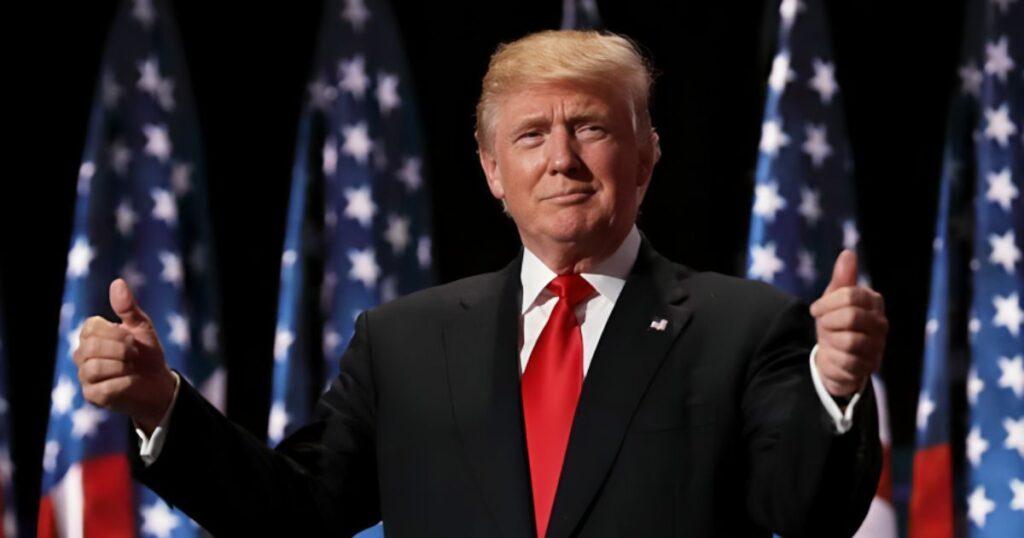
President Donald Trump on Tuesday gave the U.S. economy his highest possible grade — “A-plus-plus-plus-plus-plus” — saying recent moves under his administration show that Americans are getting a real break on costs, per Axios.
Reuters reports that Trump will visit Pennsylvania on Tuesday. He will address the crowd on his economic reform and try to placate their anxiety about the costs of living. that actions taken by his government have trimmed gas and food prices and delivered tax relief. “We inherited a disaster, now we’re moving forward, lowering costs, creating opportunity,” he said, backing up his own assessment.
In an interview with Politico, Number 47 explained that he inherited an economic problem from the Biden administration. “What you have to understand, the word affordability, I inherited a mess. I inherited a total mess. Prices were at an all-time high when I came in. Prices are coming down substantially,” Trump stated. “Prices are all coming down. It’s been 10 months. It’s amazing what we’ve done,” he added.
Q: What grade you would give your economy?
Trump: A-plus. A plus-plus-plus-plus-plus. pic.twitter.com/4kdfo1HzdR
— FactPost (@factpostnews) December 9, 2025
Trump’s comment comes at a time when he wants to show his voters that he has turned the economy around. But many Americans are still cautious about inflation and the cost of living. His rally will highlight recent tariff adjustments, regulatory rollbacks, and a newly unveiled tax policy aimed at easing financial pressure on households.
Per CNN, Trump says that his policies will “rewire” the economy, shifting away from global dependencies to domestic production and stability. Part of the rewiring may be looking at the term affordability.
At a recent cabinet meeting, Trump raised the topic of affordability. He said, “There’s this fake narrative that the Democrats talk about – affordability… They just say the word. It doesn’t mean anything to anybody.” He again brought up the term on Monday, saying that even though the Democrats supposedly caused the affordability problem, the Trump administration are the “ones fixing it.”
Trump giving his economy an “A-plus-plus-plus-plus-plus” will be news to the thousands of Virginians I’ve spoken to over the past few months struggling with high costs. pic.twitter.com/l6Q3UIdYTD
— Senator Tim Kaine (@SenTimKaine) December 9, 2025
Some Americans seem to agree. A Reuters/Ipsos poll released this week shows Trump’s approval rating nudged upward to 41%, up from 38% late last month, the lowest his approval had reached since returning to office, reports StreetInsider.com.
The slight increase in popularity came after months of the public being frustrated over high prices, especially for food and fuel. Some economists say the rating bump reflects a modest easing of price pressures. Recent data shows small drops in gas and egg prices, likely helping families at the checkout line. “They’re very small carve-outs. It’s not a big deal,” Trump stated.
Still, independent analysts are not convinced. Inflation in the 12 months through September stayed elevated at about 3%, above the long-term norm of around 2%. That means many households are still dealing with increased costs, particularly for housing, healthcare and utilities.
Bessent in PA
“This is a formula for prosperity: lowering prices, raising incomes… The benefits of [President Trump’s] agenda are now rippling through the economy, and those ripples will become waves as his agenda gathers force in 2026.”pic.twitter.com/urOrjuHofd
— Biff Smallberries (@B_Smallberries) December 9, 2025
Some wage growth has occurred, but not enough to always outpace price increases. According to The Economist, increases in median income are only slightly above inflation in recent months. This makes it difficult for many families to feel a real sense of relief.
But many feel that tariffs and trade policies under Trump still make imported goods more expensive and increase costs for everyday items. Relief isn’t arriving fast enough.
Trump’s “A+++++” rating for the economy points to the glaring difference between official optimism and public unease over living costs. The coming months will actually show whether the relief he promises catches up with what people actually experience.