Trump says he'll work with Democrats to limit credit card rates and fees
Trump previously proposed a 10% cap for one year, but gave no figure or time frame in his latest remarks.
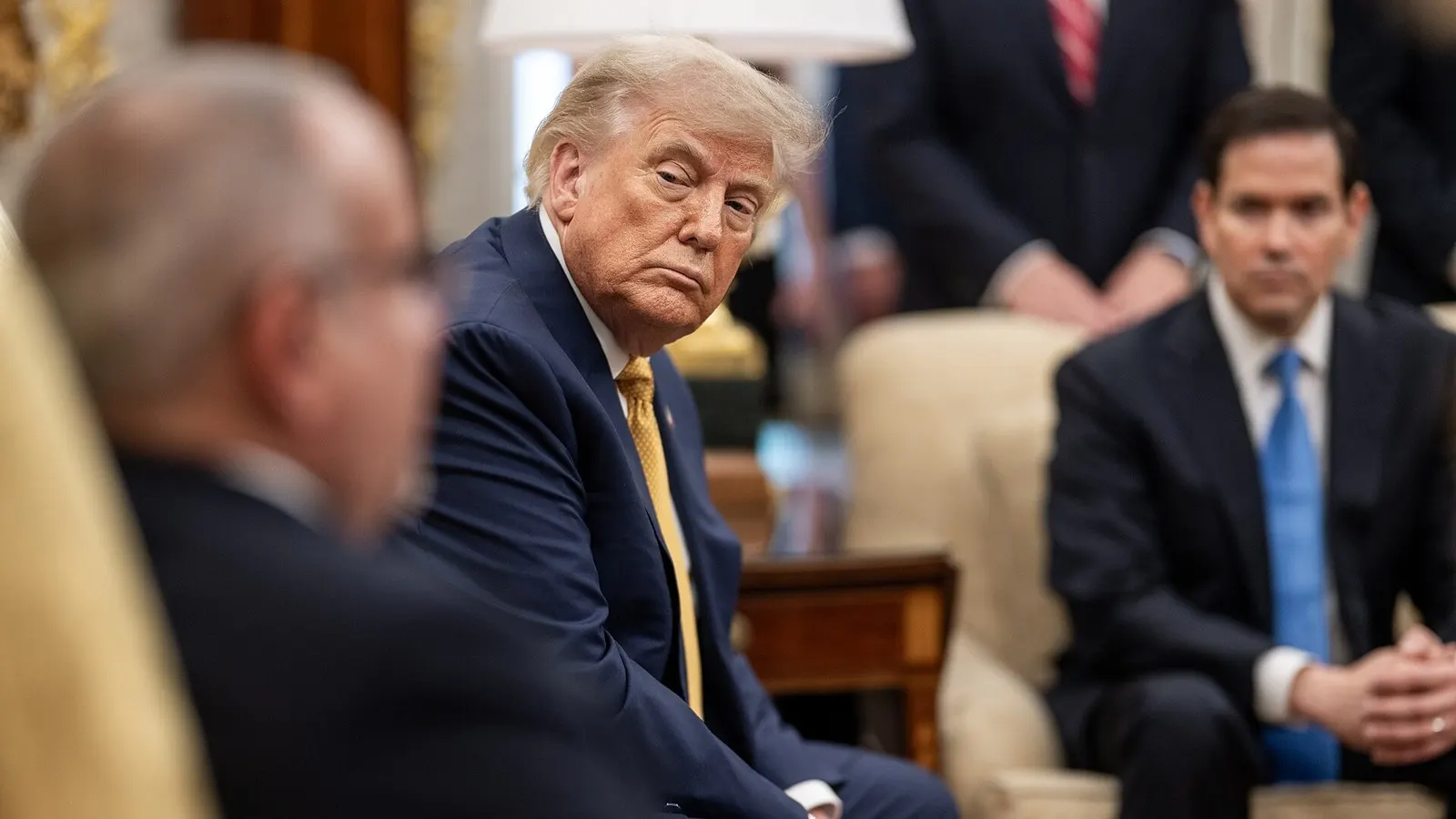
President Donald Trump said Saturday he would work with congressional Democrats to limit credit card interest and fees, saying card companies charge consumers too much.
Trump made the comments in a Fox News phone interview with Kayleigh McEnany, who asked where he could cooperate with Democrats after they take the House and Senate in January. She asked about his previous suggestion of a 10% interest rate limit for one year. His response gave neither a figure nor a time frame for such a limit.
“The credit card companies, they're getting too much,” Trump said. “The fees are too high and the interests are too high.”
Trump rejected the idea that a limit would conflict with free enterprise. “But what's free enterprise when you're sitting home and you get a bill that some guy set up in an office on Park Avenue and they said 'let's charge a fee that's too high,'” Trump said.
"You've previously suggested, perhaps, a one-year cap on credit card interest rates at 10%. Is that a place you think you could work with Democrats to accomplish something?"@POTUS: "It is… I would do it... The credit card companies — they're getting too much. The fees are too
— Rapid Response 47 (@RapidResponse47) November 21, 2026
The Federal Reserve said commercial-bank card accounts charged interest carried an average rate of 22.36% in the third quarter. Americans owed about $1.28 trillion on cards that quarter, an increase, the Federal Reserve Bank of New York said in a report released Friday.
Democratic Sen. Elizabeth Warren of Massachusetts offered to help Trump pass a 10% rate limit when she appeared on CBS News' Face the Nation on Nov. 8. “I got the bill. I'm ready to go,” she said.
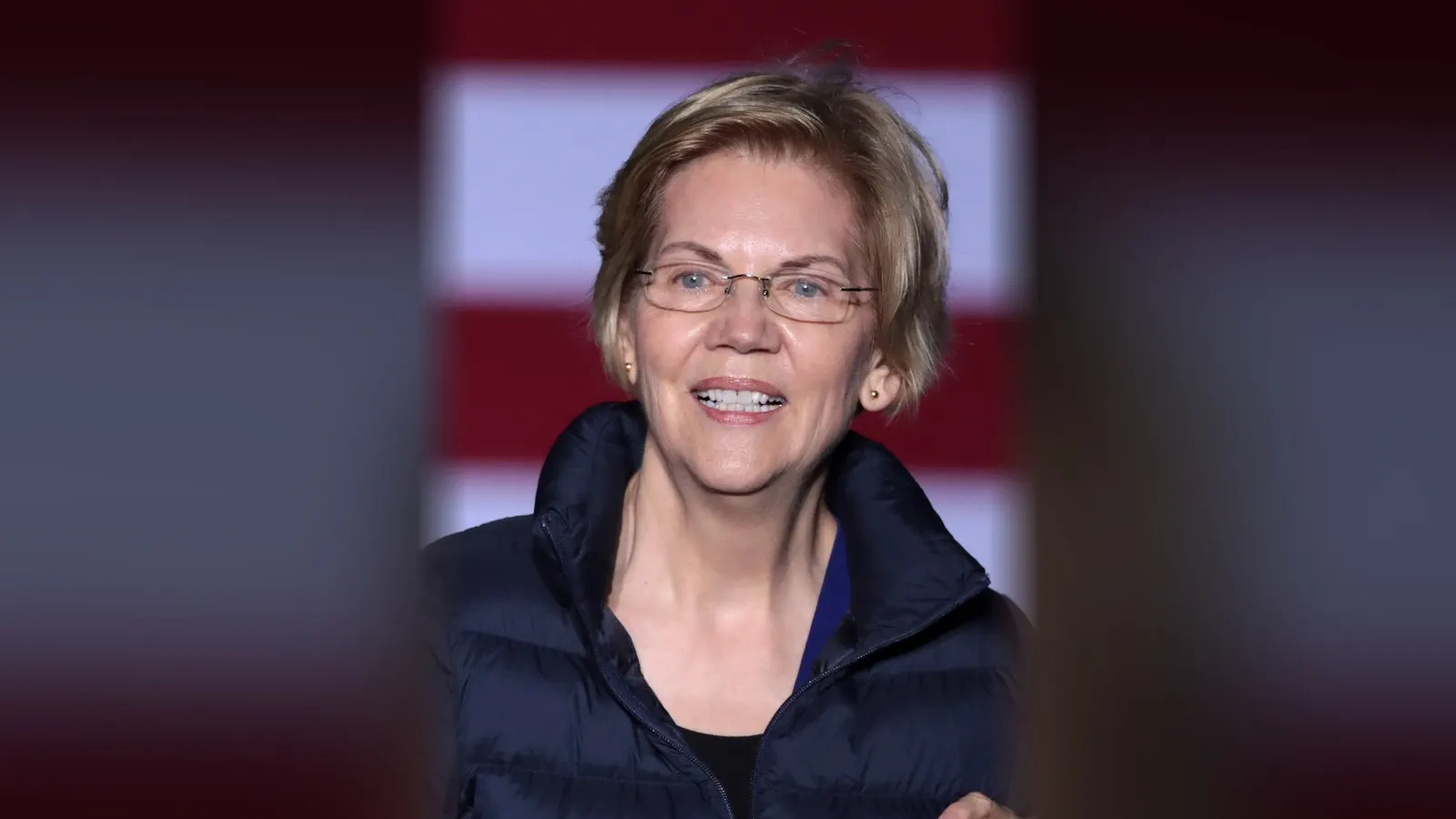
Axios reported that Warren is expected to chair the Senate Banking, Housing, and Urban Affairs Committee in January.
The banking industry opposes a cap, saying lenders would have less revenue to cover defaults and would reject more applicants as a result. American Bankers Association spokesperson Sarah Grano previously told Newsweek the group strongly opposed a government-imposed limit because it would reduce credit access, particularly for people with lower scores or limited histories.
Consumer Bankers Association President and CEO Lindsey Johnson cited industry-supported research in saying a 10% limit could restrict credit for roughly 75% of current cardholders. Credit unions said more than 47 million people could lose card access under Trump’s proposal.
Trump made that proposal on Truth Social in January, calling for a 10% ceiling for one year and legal consequences for lenders that did not comply. He wanted the limit in place by Jan. 20; it was not implemented by then, and there is still no federal cap.
Warren asked federal banking regulators in April why they had not acted after Trump’s deadline, saying Americans still faced average card interest rates of roughly 25%.
Earlier this year, Trump called Warren after she criticized his economic agenda, and Warren said she told him Congress could pass rate-limit legislation with his support. A White House spokesperson told Newsweek the conversation was a productive call about card rates and housing affordability.
Republican Sen. Josh Hawley and independent Sen. Bernie Sanders, who caucuses with Democrats, have introduced a bill that would impose a 10% limit for five years. Senate Majority Leader John Thune previously said a cap was “not something I'm out there advocating for,” while Sen. Thom Tillis, a Banking Committee member, said he was totally against it.
In Saturday’s interview, Trump said he did not want to veto every bill and expected legislation from Democrats that he could negotiate on. He called House Minority Leader Hakeem Jeffries “a very smart guy” and said that included Senate Minority Leader Chuck Schumer.
At a White House news conference Friday, Trump said, “You know, there are those that say we might get more done because we had some Republicans that were just impossible to deal with.”
Even with Democratic majorities, cap legislation would face a procedural hurdle because advancing most Senate bills requires 60 votes. Democrats take control of both chambers in January.