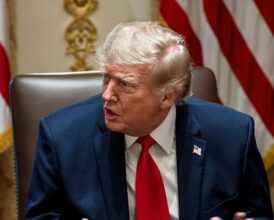


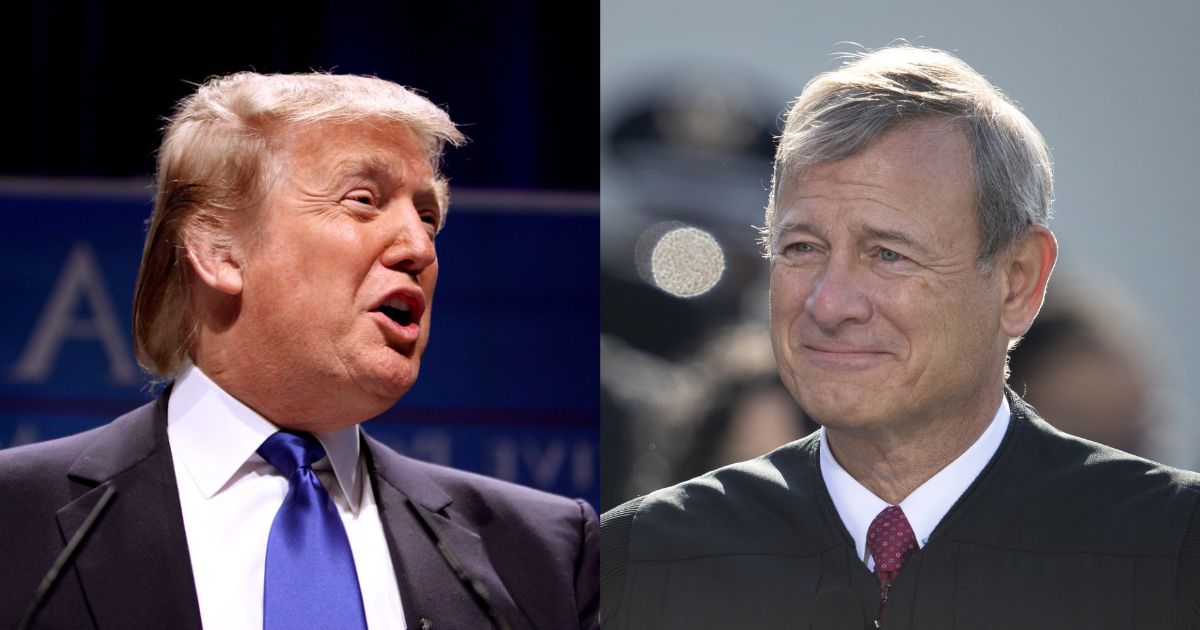
Chief Justice John Roberts has started requiring some Supreme Court employees to sign nondisclosure agreements after confidential information about a pro-Donald Trump decision and an internal memo were leaked to the media.
This marks a significant shift toward formal secrecy in a court that has already faced years of leaks. Roberts, 71, has often referred to the justices and court staff as a “family.” He has typically relied on less formal ways to protect internal discussions, according to reports citing people familiar with the situation.
These methods included a lecture at the beginning of the term for clerks and new hires about confidentiality. They also received a written code of conduct that instructed them on “duties of complete confidentiality, accuracy, and loyalty,” with only vague mentions of potential consequences for breaches.
This approach changed after Trump’s 2024 reelection. Roberts called employees in and had them sign legally binding NDAs that require staff to keep the court’s internal work private, according to several sources. New employees have also been asked to sign these agreements, which outline legal consequences for disclosing confidential information. The NDA requirement comes amid a rare series of damaging leaks that have disrupted the court’s carefully managed public image.
In May 2022, the Supreme Court confirmed that a leaked draft opinion in Dobbs v. Jackson Women’s Health Organization was authentic. Roberts referred to this leak as “singular and egregious,” directing the court marshal to investigate its source. Ultimately, the court stated it could not identify the leaker, leaving the institution facing unresolved questions about internal controls and trust. More recent leaks involve internal memos regarding high-profile Trump-related cases, including reports on Roberts’ communications as the court dealt with disputes related to Trump.
The latest reports indicate that the new NDAs were introduced following the leak of a Trump-friendly decision and a confidential memo. This prompted Roberts to move from tradition to a written legal agreement that binds staff under the threat of litigation. The Supreme Court does not function like an executive agency and rarely uses employment measures that resemble political confidentiality contracts.
The court has developed its own culture around clerkship prestige and strict expectations that discussions stay private long after a term ends. These norms have historically acted as an enforcement mechanism, supported by warnings from justices and senior court staff.
The NDA changes come at a time when lawmakers and external watchdog organizations are urging the court for stronger ethics rules and more transparency. This is particularly relevant after controversies involving gift reporting, travel disclosures, and concerns about outside influence.
While the NDAs aim to prevent leaks rather than address ethics, critics argue that increased secrecy can deepen public skepticism at a time when the court’s legitimacy is already a political concern.
Roberts has not publicly detailed the NDAs or clarified how broadly they apply to the court’s workforce, which includes law clerks, permanent staff, and security personnel. The court typically does not comment on internal employment practices and has limited options for outside oversight. Nonetheless, the decision to implement NDAs adds a new layer of enforcement beyond tradition and professional reputation. It signals that the court’s leadership no longer considers informal measures sufficient.
This move also has practical consequences for the court’s day-to-day activities. Clerks change each year and often return to private practice or government roles, maintaining connections to the court. A legally binding nondisclosure agreement, even if infrequently enforced, can discourage casual sharing of internal dynamics and increase risks for anyone thinking of discussing information with reporters or Congress.
For Roberts, the reasoning seems clear: the court cannot control how the public interprets its rulings, but it can manage how its internal work is communicated to the outside world.