



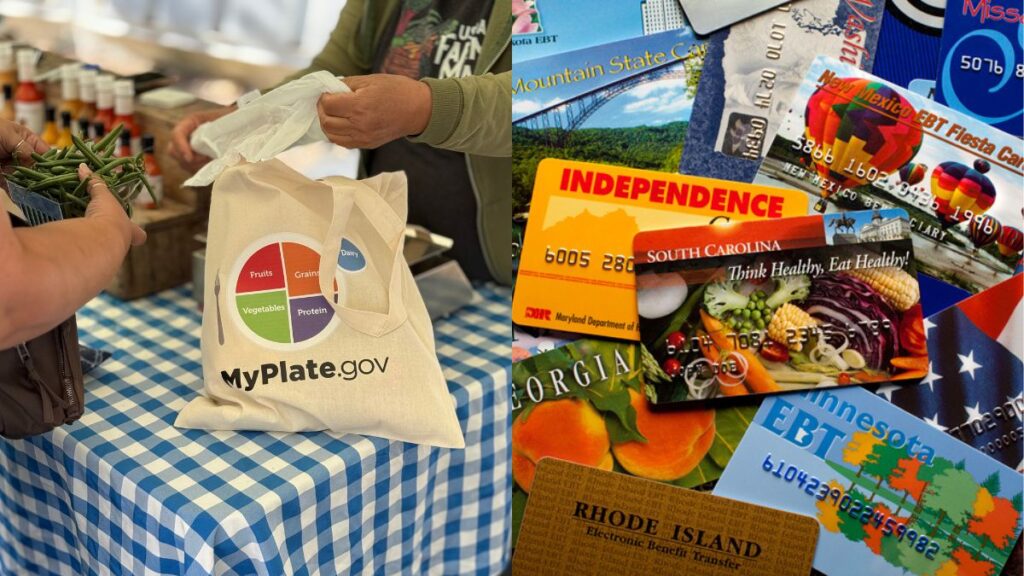
Something changed at the grocery checkout this week, and it wasn’t the price of eggs. New SNAP purchase rules are now in effect in multiple states, blocking candy and sugary drinks from food stamp transactions as part of a federally approved healthy eating pilot. For millions of families, the shift quietly redraws what qualifies as “nutrition” in 2026.
Starting February 15, Oklahoma began enforcing its SNAP Healthy Foods Waiver, removing soft drinks, energy drinks, and items classified as candy from eligible purchases. Idaho launched similar limits days earlier, reports The Daily Express U.S. Louisiana’s restrictions follow this week. In total, 18 states have received approval for some form of updated SNAP guidelines this year.
The changes stem from waivers approved by the U.S. Department of Agriculture, which oversees the Supplemental Nutrition Assistance Program. Oklahoma’s pilot will run for two years. State officials say the goal is simple: align SNAP purchases more closely with the program’s original focus on nutrition.
SNAP Benefits Change: Healthy Food Now Mandatory
Public health policy can influence outcomes when it supports better choices. New SNAP benefit restrictions limit the purchase of ultra-processed foods, redirecting assistance toward fresh produce, whole foods, and high-quality… pic.twitter.com/WNFOQ01S3u
— McCullough Foundation (@McCulloughFund) January 23, 2026
Under the new rules, SNAP benefits can still be used for fresh, frozen, or canned fruits and vegetables, meat and seafood, dairy products, grains, eggs, plant-based proteins, 100% juice, coffee prepared at home, and plain bottled water. What’s off the table are chocolate bars, gummies, mints, gum, soda, sweetened bottled teas, lemonade, and flavored sugary waters.
Baked goods like cookies and cakes are not categorized as candy under Oklahoma’s waiver. Neither are baking ingredients such as cocoa powder or chocolate chips. The distinction may seem technical, but it matters at the register.
SNAP remains one of the largest federal nutrition programs in the country. According to the U.S. Department of Agriculture, more than 40 million Americans receive benefits in a typical month. In 2023, about 47.4 million people lived in households experiencing food insecurity, including 13.8 million children, according to the Food Research Action Center. Food insecurity is defined as lacking consistent access to enough nutritious food for an active, healthy life.
Efforts to restrict SNAP purchases are not new. When Congress debated the original Food Stamp Act in 1964, lawmakers considered limiting certain foods but rejected the idea, citing administrative complexity. The 1977 Farm Bill again acknowledged that food restrictions would not address the root causes of hunger. Over the years, policymakers instead leaned toward incentives — such as programs that boost purchasing power for fruits and vegetables — rather than bans.
Huge crackdown coming for the SNAP program. If stores are caught selling junk food item to EBT shoppers twice, they’ll lose their ability to accept SNAP
“The Trump administration’s Make America Healthy Again push is spreading fast
– By February 18th, food stamp recipients in… pic.twitter.com/U7BSz2TOwN
— Wall Street Apes (@WallStreetApes) February 14, 2026
This time, several states are testing a different approach.
Oklahoma Governor Kevin Stitt said last summer that taxpayer dollars should not fund products “making people sick.” State officials describe the waiver as part of a broader push to reduce diet-related disease and encourage healthier habits early in life.
Nationally, SNAP benefits increased this year through routine cost adjustments tied to food prices. But what those benefits can buy now depends increasingly on where a shopper lives.
For families using Electronic Benefit Transfer (EBT) cards, the checkout experience may look slightly different. Retailers were given extra time to update systems before Oklahoma’s February rollout, moving the start date from January 1 to mid-February to avoid confusion.
At its core, SNAP was created to fight hunger. In 2026, in parts of the country, it is also being used as a test case for shaping what healthier eating looks like in practice — one grocery receipt at a time.


