

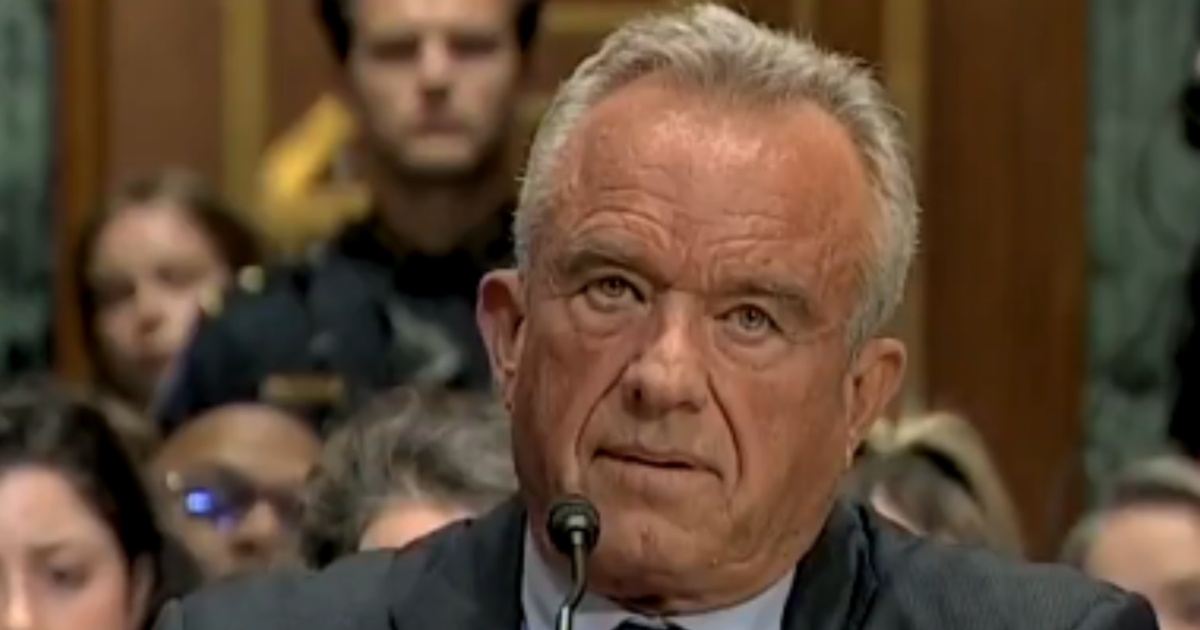
Health and Human Services Secretary RFK, Jr., is considering a major change in how the U.S. handles childhood vaccines, and this comes at a time when measles cases are rising to levels not seen in years.
Reports from The Washington Post and The New York Times indicate that federal health officials are getting ready for a reduction in recommendations for many routine childhood vaccines. They are moving away from long-standing advice that promoted widespread vaccination. Kennedy, who has been critical of vaccines for a long time, has privately advocated for the U.S. vaccination schedule to more closely resemble Denmark’s schedule. This idea has already faced strong criticism from public health experts.
The timing could not be worse, as Measles, a highly contagious disease that the U.S. declared eliminated in 2000, is rapidly spreading. The Centers for Disease Control and Prevention has confirmed 1,958 cases across the country this year, making it the largest outbreak since 1991.
The consequences of decreased vaccination rates are already having an impact. South Carolina has become a major hotspot, reporting 144 confirmed cases as of Friday, mostly among unvaccinated schoolchildren. State health officials say that over 200 people are in quarantine due to exposure, and four are being isolated because they are contagious.
Nationally, vaccination coverage is falling below the levels needed to stop transmission. During the 2024–2025 school year, only 92.5 percent of kindergarteners received the measles, mumps, and rubella vaccine. Public health experts say coverage must reach at least 95% to prevent outbreaks, but the country is not achieving this target.
Federal data shows that several unvaccinated people have died, including two children in Texas and one adult in New Mexico, from measles this year. Measles can lead to severe complications, including pneumonia, brain swelling, and death, especially in young children.
Kennedy has mostly refrained from commenting on the growing outbreak. When measles cases started to rise in Texas earlier this year, he recognized the effectiveness of vaccination but also promoted unproven treatments like high-dose vitamin A, which has caused liver damage in some patients.
His past views on vaccines have followed him into his current role. Kennedy previously chaired Children’s Health Defense, a group known for spreading false information about vaccines. In 2019, he traveled to Samoa to campaign against the measles vaccine after the country paused its vaccination program due to a serious medical error. The next year, Samoa faced a severe measles outbreak.
Since taking office, Kennedy has quickly worked to change federal health leadership. In September, he fired CDC Director Susan Monarez, who later claimed she was fired for refusing to endorse what she called an unscientific vaccine policy. Earlier this month, the Advisory Committee on Immunization Practices, which now includes many vaccine skeptics, voted to stop recommending the hepatitis B vaccine for all newborns, which alarmed pediatricians across the country.
When asked whether the administration plans to push for vaccination as cases increase, HHS press secretary Emily G. Hilliard stated that Kennedy believes vaccination is the best way to prevent measles and encouraged families to speak with their health care providers.