



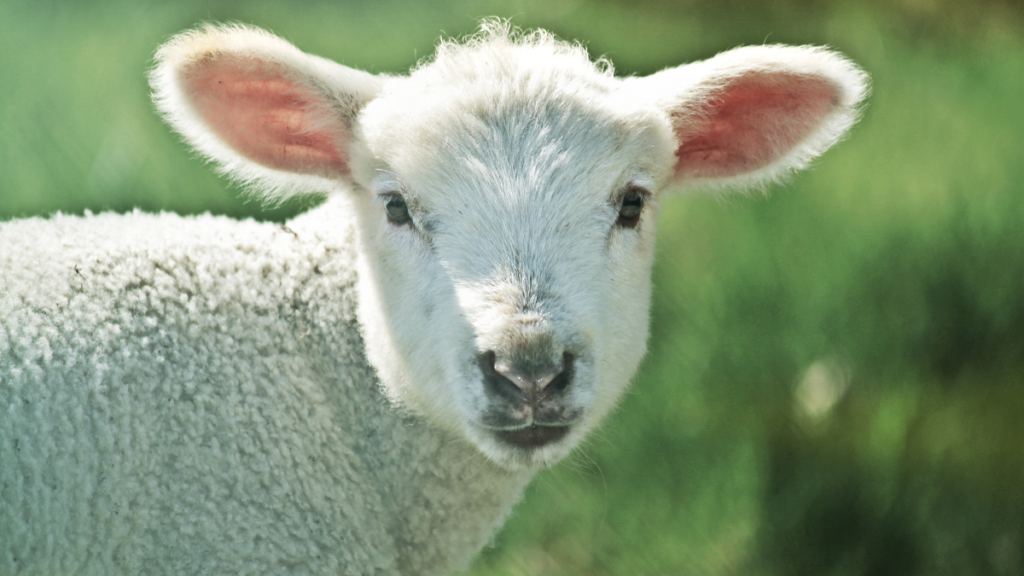
A growing push by scientists and activists to redefine the word “wool” in the dictionary so it can apply to plant-based textiles is sparking fierce debate — and raising dire warnings from farmers who say the effort could threaten the long-term survival of sheep farming itself.
Campaigners and researchers are now urging dictionaries and clothing companies to broaden the traditional definition of wool — historically understood as the fleece shorn from sheep — to include fibers made entirely from plants.
For centuries, the term has been used to describe the soft, curly hair forming the fleecy coat of sheep and other animals https://t.co/1OaVpDnsz1 🔗 pic.twitter.com/xxR4Q6LRn5
— Daily Mail US (@Daily_MailUS) March 10, 2026
Vegetarian and vegan supporters say the shift reflects the fashion industry’s increasing focus on plant-based alternatives. But critics warn that redefining the term risks undermining one of the world’s oldest agricultural industries and could eventually reduce the incentive to raise sheep at all.
The controversy centers around a concept activists call “plant wool,” a term promoted by the animal rights group PETA to describe plant-derived fibers designed to mimic traditional wool.
“For us, a plant wool is a yarn or textile that is plant-derived,” the organization explained, noting that examples could include “a 100 percent cotton sweater, a hemp-based suit, or a eucalyptus yarn used for knitting.”
Under that definition, numerous plant fibers could be marketed as wool-like materials, including cotton, hemp, banana fiber, seaweed yarns and cellulose-based fabrics such as Tencel. Advocates argue the terminology is similar to the phrase “plant-based leather,” which has been widely used by fashion companies producing alternatives to traditional animal hides.
“The term ‘plant wool’ was coined by PETA and we view it in much the same way as plant-based leather,” the group said, describing it as a way to promote clothing made entirely from plants rather than animal products.
Tailoring meets innovation.
King & Allen’s plant wool suits unite craftsmanship and compassion – proving style doesn’t need to come at a cost to animals.#PlantWoolMonth pic.twitter.com/RF20TFT7Tx
— PETA UK (@PETAUK) November 11, 2025
But livestock producers say the push reflects a broader movement that could have unintended consequences for agriculture and animal populations themselves. For thousands of years, sheep have been raised primarily for their fleece and, secondarily, for meat. Without those economic incentives, farmers say maintaining flocks becomes financially unrealistic.
Sheep require land, feed, veterinary care and fencing — costs that are typically offset by selling wool and lamb. Remove those markets, producers warn, and there would be little reason to continue raising large numbers of sheep.
Some agricultural experts caution that in a world where plant-based alternatives replace animal products across multiple industries — from meat and dairy to leather and wool — livestock populations could decline dramatically. Without demand for wool, sheep might gradually disappear from farms altogether.
In that scenario, critics say sheep could eventually become rare outside of specialty farms, conservation programs, or even zoo exhibits. Farmers argue that while some hobbyists might keep a few sheep as pets or for small-scale homesteading, the vast majority of modern livestock populations exist because there is a practical agricultural purpose for raising them.
Without that purpose, maintaining large herds becomes economically unsustainable. Critics of the plant-wool concept say activists often overlook this reality when promoting animal-free alternatives.
Some agricultural advocates warn the issue extends far beyond sheep. If plant-based alternatives were to replace products like leather, beef, milk, eggs, and wool on a large scale, livestock populations across multiple species could shrink dramatically.
Wool is:
– Warm
– Breathable
– Naturally flame-retardant
– Biodegradable
– Renewable
– Produced annually by an animal that needs it removed
– Antibacterial
– Moisture-wicking
– Used by humans for at least ten thousand years with zero adverse effects to the environment
What… pic.twitter.com/Z9l1qck1cu
— Sama Hoole (@SamaHoole) March 2, 2026
Cattle, in particular, require vast acreage, large amounts of feed, and expensive infrastructure to raise humanely. Without the agricultural markets that support them, experts say the idea that large numbers of cattle would continue to exist purely as companion animals is highly unlikely.
Maintaining even a single cow requires significant land, fencing, veterinary care and feed — making the concept of widespread “pet cows” impractical for most households. For this reason, livestock producers say economic demand plays a critical role in sustaining animal populations that humans have raised for thousands of years.
Meanwhile, the debate over “plant wool” reflects a larger cultural shift in the fashion and materials industries as companies increasingly experiment with alternative fibers.
Supporters say plant-derived textiles can be engineered to replicate the softness and warmth associated with traditional wool. Opponents argue that changing the definition of a long-established agricultural term risks misleading consumers and weakening an industry that supports farmers around the world.
For now, the proposal remains largely a linguistic and marketing debate — but the broader questions it raises about agriculture, sustainability and the future of livestock are unlikely to fade anytime soon.