



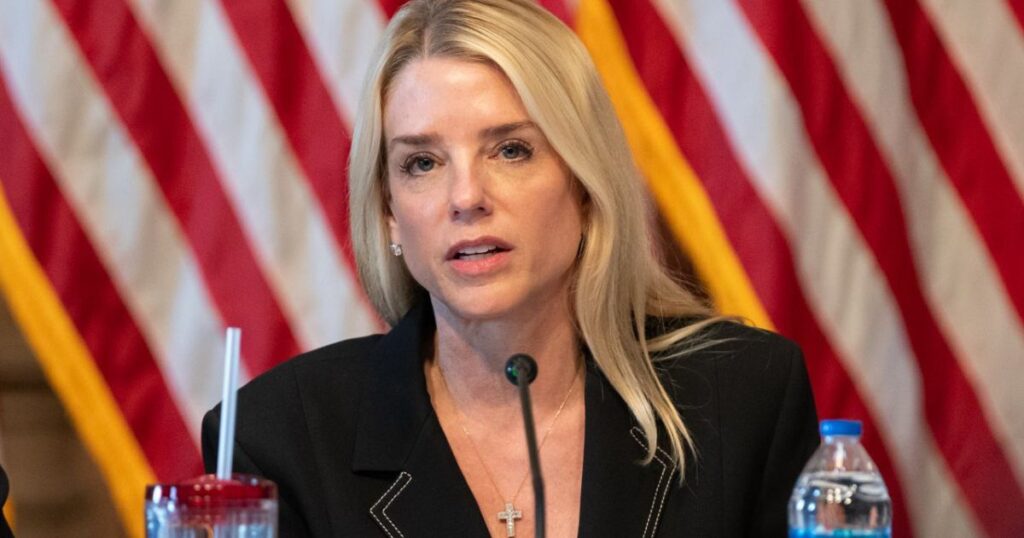
The Justice Department, led by Attorney General Pam Bondi, is experiencing significant changes in Minnesota. Another eight veteran prosecutors have either left the U.S. attorney’s office or announced their plans to depart. This deepens an ongoing internal disruption linked to the Trump administration’s tough immigration policies in Minneapolis.
With these latest departures, the total number of prosecutors leaving the office has reached 14. Earlier in mid-January, six prosecutors resigned, according to reports from the Minnesota Star Tribune. The attorneys leaving include senior staff members with extensive experience in federal court, making their loss difficult to quickly replace, according to current and former officials.
These departures come as the Minnesota office is involved in several politically sensitive issues tied to immigration enforcement and its consequences. This includes litigation and investigations related to recent use-of-force incidents in the Minneapolis area. Meanwhile, federal prosecutors in the district are still handling routine work, which includes violent crime, fraud, public corruption, and civil litigation that involves the federal government.
The Star Tribune reported that the latest group of prosecutors leaving includes senior attorneys and experienced line prosecutors.
Those resignations attracted attention because they involved skilled prosecutors who reportedly were unhappy with perceived pressure from Washington and the need to defend federal actions related to immigration operations in Minneapolis. The latest departures show that frustration is more widespread than just one group of attorneys.
Public conflict over immigration enforcement in Minneapolis has increased since two U.S. citizens, Renée Nicole Good and Alex Pretti, were killed in separate incidents involving federal immigration officers. These incidents sparked protests, political finger-pointing, and differing views from local leaders and federal officials. The enforcement efforts have also led to a rise in court filings and investigative disputes between federal agencies and Minnesota authorities. This has added more demands on federal lawyers in the district.
The Justice Department has not publicly explained why each prosecutor decided to leave. Resignations typically cite personal reasons, career moves, or other private factors. However, the timing and number of departures, along with reports of internal disagreements over handling sensitive issues, have raised concerns about morale and leadership in the Minnesota office.
U.S. attorney’s offices depend heavily on institutional knowledge, especially in complex cases that can take a long time to build. Senior prosecutors often oversee major investigations, coordinate with federal agents, and train newer attorneys. If many experienced lawyers leave in a short time, the remaining staff may have to take on complex cases unexpectedly, delay charging decisions, or focus on fewer priorities.
This turnover also comes as immigration enforcement agencies have ramped up hiring and expanded their operations. This combination can increase the number of arrests, detention-related litigation, and court hearings, all of which require prosecutors and civil attorneys to respond quickly.
Bondi’s Justice Department has promoted a strong stance on immigration enforcement and public order, presenting the administration’s actions as necessary and lawful. However, the departures in Minnesota have created an uncomfortable counter-narrative. Career attorneys, whose role is to represent the United States in court, are choosing to leave rather than remain in what they see as an unworkable environment.
The U.S. attorney’s office is still functioning, and federal cases in Minnesota have not ceased. However, the constant changes have put the office in a rare spotlight, focusing attention on federal prosecutors.