




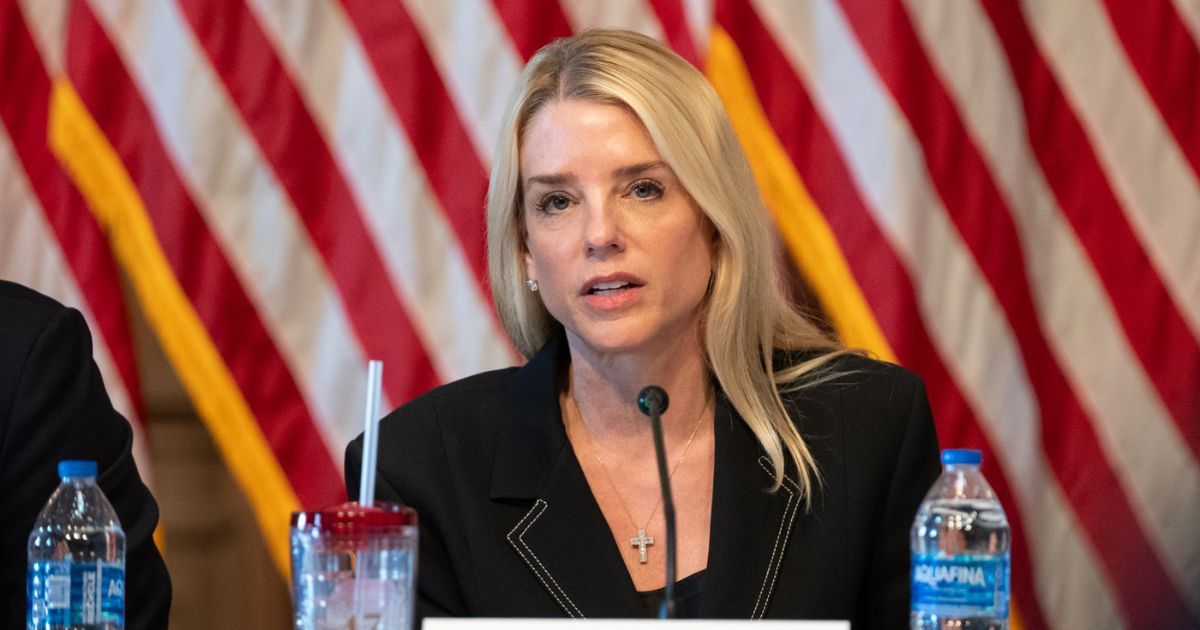
Pam Bondi may face prosecution and even jail time if the full Epstein files are not released by the deadline.
Rep. Ro Khanna issued a warning Thursday evening in a straightforward video posted on X. It targeted Bondi and anyone at the DOJ who might consider delaying the process. His message was clear, almost prosecutorial, and meant to resonate before time runs out.
Khanna, who is leading the charge for the Epstein Transparency Act, described this moment as a critical test for the government. He wants to see if they will be honest or hide behind procedures.
“Let me be clear, we need a full release. Anyone who tampers with documents, conceals documents, or over-redacts will face prosecution for obstructing justice,” Khanna stated. This issue goes beyond whether documents are released; it concerns what information remains visible after they are released.
Khanna emphasized that no one, regardless of their rank or position, would be shielded from consequences. “We will prosecute individuals whether they’re the attorney general, or a career or political appointee. We need full transparency and justice for the survivors,” he added.
He then followed up with a written statement along with his verbal warning about an Epstein cover-up, writing: “Any person who tries to hide or alter the files will be subject to prosecution under the law.”
Bondi’s DOJ is now under legal obligation after President Trump signed a bill mandating the release of the Epstein Files. This legislation was passed after a rare moment of bipartisan agreement on Capitol Hill, forming an unusual consensus in a deeply divided Congress, which left little room for misinterpretation.
Tomorrow, my bill will force the Trump Administration to release the Epstein files.
Any person who attempts to conceal or scrub the files will be subject to prosecution under the law. pic.twitter.com/K6wdxNV0kF
— Ro Khanna (@RoKhanna) December 19, 2025
Some lawmakers have suggested that the public will not get the Epstein files or, at least, be disappointed with the results. However, Khanna’s repeated focus on redactions suggests the next potential battle. A heavily blacked-out release might meet the legal requirements but violate its intent, and he seems set on preventing that scenario.
The Justice Department has not publicly responded to Khanna’s statements or clarified how the Epstein Files will be released ahead of the Friday night deadline. No detailed guidance had been issued on the scope of the disclosure, including what documents would be included or how redactions would be handled.
The Epstein Transparency Act, which Khanna authored, requires the DOJ to release records related to the federal investigations into Jeffrey Epstein and his associates, subject to limited legal exceptions. Support for the legislation comes from criticism that prior releases were incomplete and left key information withheld.
The bill moved quickly through Congress earlier this month after gaining support from lawmakers in both parties, an uncommon alignment on an issue tied to Epstein’s crimes and the handling of the case by federal authorities. President Trump signed the measure into law earlier this week, directing the DOJ to comply within the specified timeframe.
It is yet to be seen if obstruction of justice charges can apply if government officials are found to have intentionally concealed, altered, or destroyed records covered by a lawful disclosure order. Whether redactions meet that threshold would depend on the justification provided and the material withheld.