


Congress finally fixed a decades-old Social Security injustice last year, and many retirees thought they’d won. But then came the tax bill, and now Washington is scrambling to clean up the mess it created.
A new bipartisan proposal (the No Tax on Restored Benefits Act) could majorly change how certain retirees pay federal taxes on their Social Security benefits. The bill targets public sector retirees who receive retroactive lump-sum payments after Congress restored benefits that had been reduced or wiped out.
For some seniors, the fix could save thousands of dollars. For others, though, it raises questions about Social Security’s future. As of now, around 70 million Americans rely on Social Security every month. But this proposal is only aimed at retired teachers, firefighters, police officers, and other public workers who are paying into pension systems instead of Social Security.
Or hear me out — we could invest our own money for our own retirements instead of being forced to dump a huge chunk of our paychecks into a precarious-but-mandatory government retirement scheme. https://t.co/tPCZD5hS8b pic.twitter.com/skxkqpjd5l
— Kristen Mag (@kristenmag) July 26, 2025
There are two long-standing rules, namely the Windfall Elimination Provision (WEP) and the Government Pension Offset (GPO). Because of these, many of the workers mentioned above had their Social Security benefits slashed or eliminated.
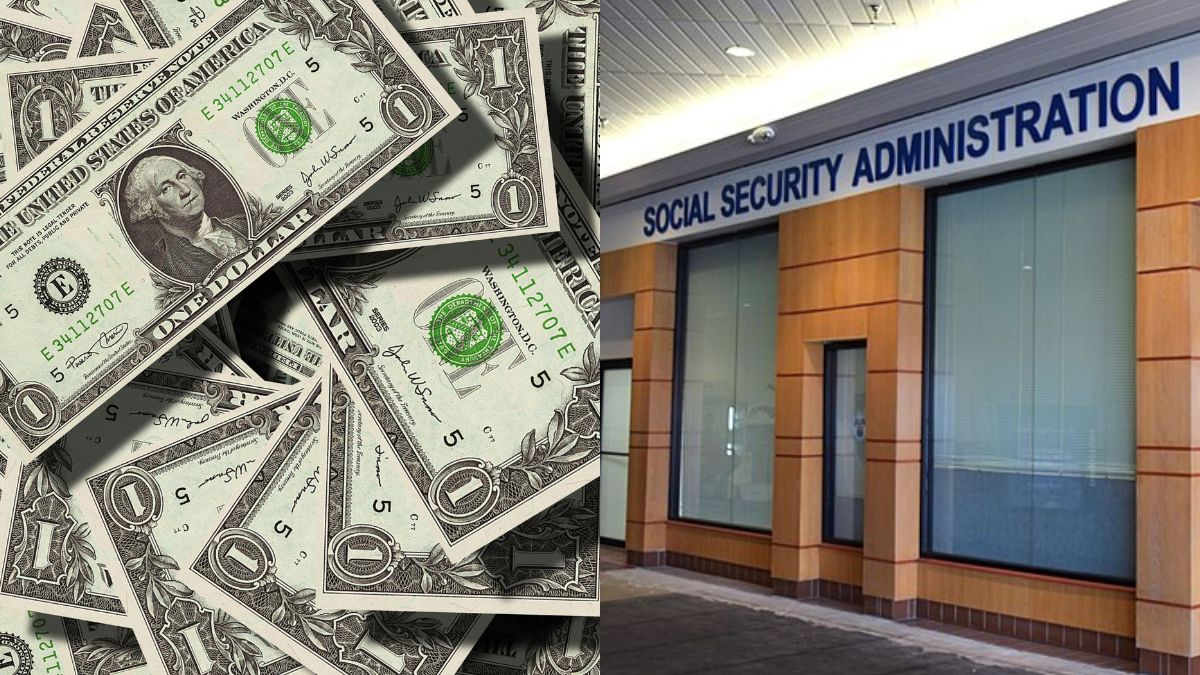
That changed in January 2025, though, as the Social Security Fairness Act repealed both provisions. The reform restored benefits to more than 3.2 million people, and it did so retroactively to January 2024. The Social Security Administration was back with one-time lump-sum payments, many of which were issued in early 2025.
But those retroactive payments were taxable. As a result, retirees who planned their finances to stay below certain income thresholds were pushed into higher tax brackets. Some owed federal taxes for the first time in years, while others owed underpayment penalties, because no taxes had been withheld when the lump sums landed.
As one expert put it, this was “damage control” after benefits were restored without a clear tax roadmap.
The No Tax on Restored Benefits Act excludes those retroactive lump-sum payments from gross income for federal tax purposes. So, retirees wouldn’t be taxed on money that Congress says they should have received anyway.
BREAKING 🚨 Secretary of Treasury Scott Bessent said Tariffs will provide TAX RELIEF to families ❤️
“No Tax on Tips, No Tax on Social Security, and No Tax on Overtime, and Tariff income could be used for tax relief on all those immediately”
Promises MADE Promises KEPT pic.twitter.com/tXA0sBtOWs
— MAGA Voice (@MAGAVoice) April 29, 2025
Rep. Chellie Pingree of Maine is also a Democratic cosponsor. She argued that the original reform was never meant to saddle people with unexpected tax bills. On the Republican side, it was Texas Rep. Lance Gooden (who introduced the bill) framing it as correcting a double injustice. At first, benefits were withheld, then they were taxed once restored.
Groups like the National Association of Police Organizations say that if passed, the bill would help lower- and middle-income public sector retirees who were pushed above tax thresholds by retroactive payments of late.
Please note that it would not affect:
- Most private-sector retirees
- Public employees who already paid into Social Security
- Ongoing monthly benefits (only the retroactive lump sums)
Critics, however, question why restored benefits should receive special tax treatment.
Others warn that any new tax exclusion adds pressure to a system already facing insolvency as early as 2033. Budget watchdogs have brought up the Fairness Act (projected to add $196 billion to the deficit over 10 years) and how this bill would pile on.