


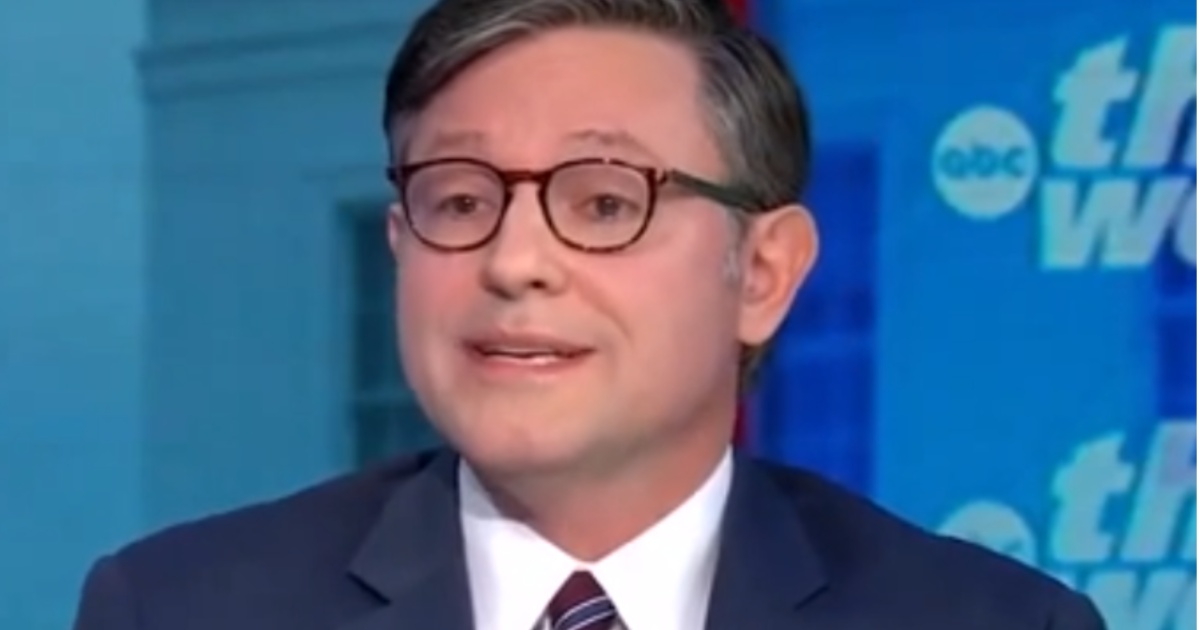
Speaker Mike Johnson is returning to Washington, facing members who are most likely to lose their seats are also the ones most willing to break away from him. They are growing impatient with being told to wait.
The Hill reports that Johnson is preparing for a tough comeback from the winter recess. Moderate House Republicans are increasingly frustrated with how the administration is handling foreign policy and health care. Several members describe this frustration as reaching a breaking point. The discontent has been simmering for weeks in private meetings and corridor discussions. It became more evident in December when a small group of Republicans worked with Democrats on health care.
The key issue was the fight over enhanced Affordable Care Act premium tax credits, which are set to expire at the end of 2025. Four Republicans, Brian Fitzpatrick, Robert Bresnahan, Ryan Mackenzie, and Mike Lawler, signed a Democratic discharge petition to force a House vote on extending the subsidies for three years. This vote is planned for January after the recess. This move directly challenged Johnson’s control because a discharge petition allows members to bypass leadership when it refuses to bring an issue up for discussion.
Axios quoted Lawler calling Johnson’s position “idiotic, it’s political malpractice.” This level of public frustration is unusual for a member looking to stay in leadership’s good graces. Johnson reportedly wanted to move past the ACA subsidy issue, but moderates from competitive districts could not ignore the premium increases back home.
House Minority Leader Hakeem Jeffries supported the discharge petition effort and described the pending expiration as a simple political opportunity leading into 2026. The Guardian described the petition as a setback for Johnson, showcasing Republican concerns about health costs in this election cycle, where a few seats can shift control of the chamber.
Johnson has attempted to unify the party by promoting a GOP health care package called the “Lower Health Care Premiums for All Americans Act.” He has warned conservatives that extending ACA subsidies is not worth fighting over. However, moderates are focused on immediate issues in their districts, where rising insurance costs are prominent in town halls, local news, and election strategies.
Health care is just one concern, as reports show growing anger over foreign policy, with moderates feeling increasingly uneasy about the administration’s approach to major international issues and how these decisions are presented to voters back home. Johnson faces a challenge, which is that he cannot please the hard-right wing without risking alienation of the members who maintain the majority. At the same time, he cannot satisfy moderates without provoking conservatives, who often punish leaders.
January is set to be a significant test because if the vote on ACA subsidies makes it to the floor due to the discharge petition, it will remind everyone that Johnson’s leadership does not guarantee compliance. It will also show other frustrated Republicans how to challenge his authority.
Johnson remains defiant, arguing that the GOP has a great 2025 in a WSJ op-ed and denied losing control of the House after four rebels joined Democrats on the ACA discharge petition. With a small majority, he has a tough task heading into the 2026 midterms.