



A federal judge in Chicago delivered a stinging rebuke to the Trump administration’s immigration crackdown this week, ruling that a senior Border Patrol official lied about being hit by a rock before agents unleashed tear gas on a crowd of protesters. The decision, which blocks federal officers from using force on demonstrators without clear justification, is one of the sharpest judicial pushbacks yet against the tactics used in the city.
U.S. District Judge Sara Ellis didn’t mince words as she said the government’s portrayal of Chicago as a city “ransacked by rioters and attacked by agitators” had no basis in the evidence. “That simply is untrue,” she said, adding that she found the testimony from both Border Patrol and ICE agents “not credible.” Her ruling grants broad protections to protesters, residents, and journalists, and makes it harder for immigration agents to use tear gas or other weapons during enforcement actions.
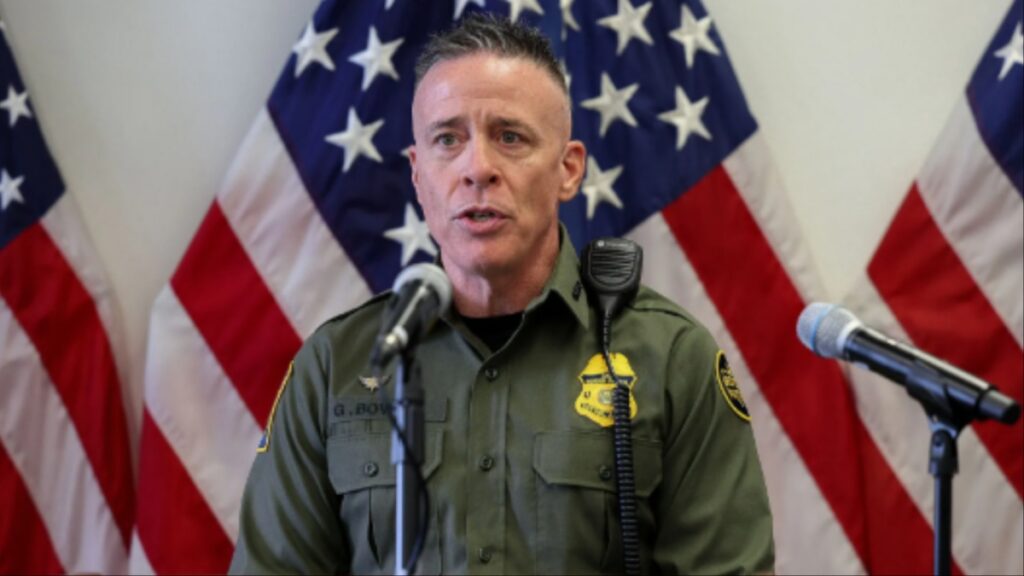
Much of her criticism centered on Gregory Bovino, a Border Patrol chief who testified that he had been struck by a rock during protests in the Little Village neighborhood. That claim was used to justify the tear gas deployment last month, but Ellis noted that no video footage supported it, and Bovino showed no head injury when he took the stand just days later. According to the judge, Bovino ended up admitting the story wasn’t true.
What followed reflected her growing frustration. First, Ellis ordered Bovino to return to her courtroom every weekday to personally brief her on immigration enforcement in Chicago. That requirement was quickly overturned by an appeals court, but she didn’t back down. In a later ruling, Ellis demanded that Bovino obtain and wear a body camera. A Justice Department attorney confirmed in court that he now has one, a small but significant shift in how agents operate in the city.
The extensive injunction also forces federal officers to turn on cameras during crowd operations and to clearly identify themselves, rules meant to address long-standing complaints about unmarked agents and murky chains of command. Civil liberties groups have been pushing for these reforms for years, pointing to incidents where protesters said they were shoved, gassed, or detained without warning.
For Trump’s immigration agenda, the ruling is another setback at a moment when the administration has been trying to reassert control after an uneven series of enforcement pushes. The Chicago deployment, sometimes referred to locally as a “surge,” was already controversial. Ellis’s ruling now casts it in an even harsher light, suggesting that officials exaggerated threats, misrepresented facts, and crossed constitutional lines.
The case is undoubtedly headed for more litigation as the Department of Homeland Security says it plans to appeal, arguing that the ruling ties the hands of agents in a city where they claim violence is rising. But for now, the judge’s order stands, and Chicago residents, especially those in neighborhoods that have seen the most enforcement pressure, will be living under a new layer of protection.
The message Ellis delivered in court resonated far beyond the walls of her Chicago courtroom: if the government is going to deploy force on American streets, it needs real evidence, honest testimony, and accountability. And if officials can’t provide that, they can expect to be called out, publicly and directly, by the court itself.