



A leaked internal memo from the Department of Veterans Affairs has created a stir within an agency that has spent years trying to assure veterans it can meet their needs. The document, first reported by The Washington Post on Saturday, details plans to cut staffing at VA facilities that serve former service members. This has caused anxiety among employees who already feel overworked.
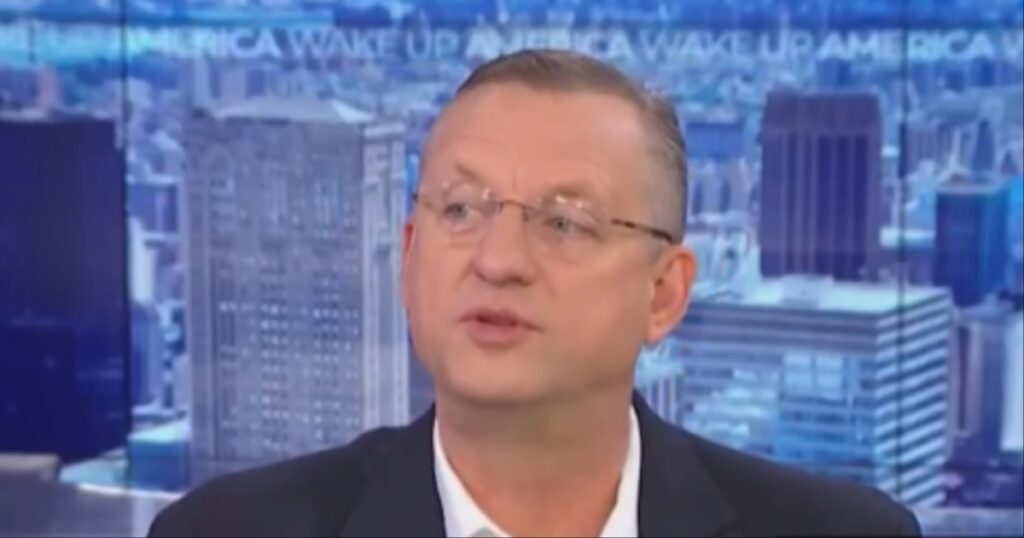
These changes are happening under Doug Collins, a former far-right Republican lawmaker who is now in charge. According to the memo, the VA plans to cut up to 35,000 positions nationwide. Many of those jobs are currently vacant, but that distinction offers little reassurance to those working within the system.
Veterans have long complained about long wait times for appointments and trouble accessing timely care. Doctors and nurses within the VA say these issues are directly linked to staffing shortages that never seem to improve. When positions remain unfilled for months or years, clinics make adjustments, often by overworking the existing staff or limiting the number of patients they can see. To many employees, cutting these positions altogether feels like an admission that the shortages are permanent.
The VA has strongly denied that veterans will face negative consequences. In response to media reports, the agency stated it plans to cut about 25,000 open roles, not 35,000, and emphasized that no current employees would be laid off. Officials also mentioned that many of the added positions were created during the COVID pandemic with emergency funding and argued that eliminating them would not impact care quality.
We have a commitment— from the start to finish —to take care of our service members and Veterans. That’s why @DeptVetAffairs is working closely with @deptofwar to make military transitions easier and get Veterans the benefits they’ve earned. pic.twitter.com/cWXaK1iKcH
— VA Secretary Doug Collins (@SecVetAffairs) December 13, 2025
However, inside the Veterans Health Administration, the atmosphere is far less reassuring. The Post reported that the VA’s healthcare branch is moving toward what it calls an “abrupt” reduction in healthcare roles, including doctors, nurses, and support staff. These are the individuals who manage appointments, run clinics, and oversee the daily patient flow.
Managers throughout the system have reportedly been directed to act quickly. “Agency leaders have instructed managers across the Veterans Health Administration to identify thousands of positions that can be eliminated,” the report states. Employees say the pressure is already overwhelming. “Workers warn that the cuts will add strain to an already burdened system, leading to longer wait times for care.”
In many VA facilities, vacant roles exist because hiring has been slow or because heavy workloads have driven staff away. Canceling these positions does not alleviate the pressure on the remaining employees; it simply eliminates the chance of additional help. In smaller or rural facilities, even a few missing positions can have a significant impact on the entire clinic.
Supporters of the cuts argue that the agency is simply adjusting after an unusual time, scaling back pandemic-era expansions that are no longer needed. Critics argue that the pandemic did not erase the VA’s longstanding issues and that an aging veteran population still requires more care, not fewer resources.
For veterans, it is yet to be seen how these changes will affect the waiting time for appointments, but if a negative impact comes with the changes, there will certainly be backlash against the administration.


