



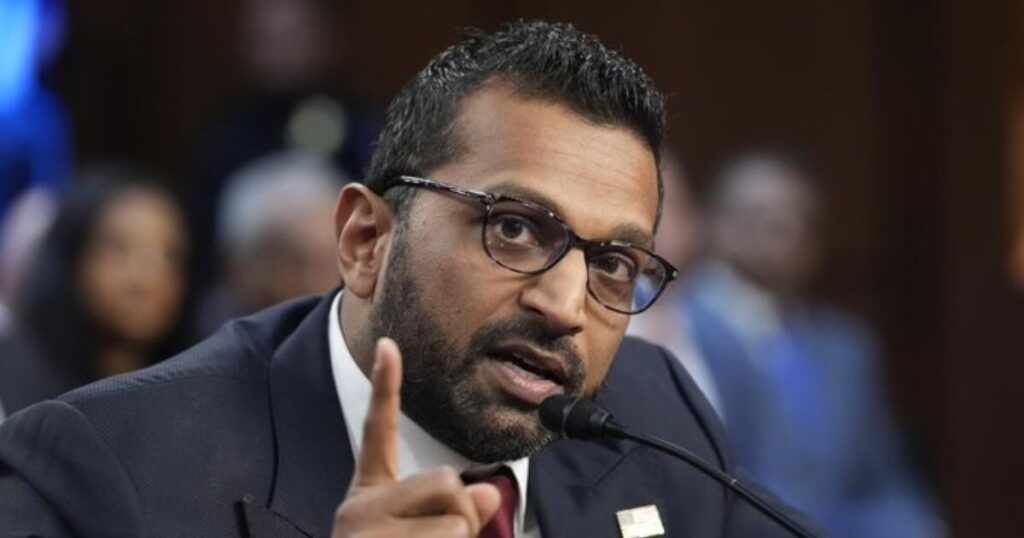
A Michigan defense lawyer is pushing back hard against FBI Director Kash Patel’s headline-grabbing Halloween bust, arguing there was no real plan for violence and calling the furor “hysteria” and “fearmongering.”
Federal agents arrested several teens and young men around Detroit on Friday after chat room messages referenced “pumpkin day,” a nod to Halloween, and investigators alleged Islamic State inspiration. Authorities have released few specifics, and even fewer charges, a gap that set off a sharp dispute about what, if anything, was truly averted.
Amir Makled, who represents a 20-year-old from Dearborn still in custody on Saturday, said he has seen nothing that suggests an operational plot, per CNBC. “I don’t know where this hysteria and this fearmongering came from,” Makled said. He described the all-male group as gamers, ages 16 to 20, and added, “I don’t believe that there’s anything illegal about any of the activity they were doing.” Makled said he does not expect charges to be filed, a claim that underscores how thin the public record remains days after the raids.
Patel announced the arrests in a social media post, crediting the bureau and local partners for thwarting a “potential terrorist attack,” and said more information would be coming. The FBI and Michigan authorities have not provided substantive updates since, and spokespeople for the FBI and the U.S. Attorney’s Office in Detroit did not immediately respond to weekend inquiries. The bureau said there was no ongoing threat to public safety after the arrests, a reassurance that raised additional questions about what the suspects were actually capable of doing.
Two people briefed on the case told the Associated Press the investigation centered on an online chat room, where at least some of the suspects discussed an attack around Halloween, including a “pumpkin” reference. It was not immediately clear whether the group had weapons, materials, or a plan beyond rhetoric, but the seasonal timing helped drive the decision to make arrests on Friday. Agents were seen removing items from a Dearborn residence and a storage site as the operation unfolded, adding visuals without resolving the core question; talk or intent.
Makled’s public challenge comes amid heightened scrutiny of Patel’s leadership, and it taps a long-running debate over the FBI’s preemptive playbook. Since 9/11, agents have broken up numerous alleged plots using stings and early interdictions, tactics supporters call lifesaving and critics label overzealous. In this case, Makled’s stance is blunt, these were young gamers saying dumb things online, not would-be attackers assembling a real operation. “If these young men were on forums that they should not have been on or things of that nature, then we’ll have to wait and see,” he said, before repeating his view that nothing illegal has been shown.
For now, the public is left with competing narratives. Patel says the FBI moved decisively to stop a dangerous plot, details to come. A defense lawyer says there was no plot at all, only chatter. Without charges on the table, and with officials tight-lipped about evidence, the Halloween case sits in the gray zone where national security caution meets criminal due process, a zone that often decides whether a headline becomes a conviction or a walk-back.


