


A federal judge turned down an effort by the Trump administration’s Justice Department to get a search warrant identifying Renée Nicole Good as a “suspect” in the deadly January 7 shooting by an ICE agent, according to MS NOW.
Good, a 37-year-old mother of three from Minneapolis, was shot and killed by an ICE agent during a federal immigration operation earlier this month. The incident happened at an intersection in south Minneapolis, sparking protests, intense political debate, and legal challenges over federal immigration enforcement methods.
Right after the incident, Department of Homeland Security Secretary Kristi Noem publicly claimed Good acted violently and called her behavior a threat. The Justice Department then sought a warrant to seize her vehicle and investigate potential criminal actions related to the encounter.
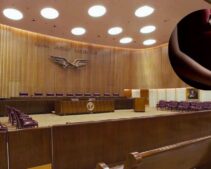
Agents had prepared a warrant naming Good as a suspect in an alleged assault on law enforcement officers, even though she had died. A federal magistrate judge denied the application, stating that a deceased person cannot be the subject of such a warrant under the law.
The judge’s refusal of the warrant reflected standard procedures that generally prevent treating a deceased person as a suspect in investigations. Legal experts say search warrants typically require a living person or entity that can challenge the warrant in court, something that cannot happen when the identified individual is deceased.
This warrant issue arose amid ongoing concern about how the federal government has managed investigations into Good’s shooting. Reports suggest that the Justice Department shifted from an initial civil rights inquiry into the ICE agent’s use of force to focus on possible criminal liability related to Good’s actions. This change drew criticism from career prosecutors and former law enforcement officials.
One senior FBI agent in Minneapolis reportedly resigned after feeling pressured to stop a civil rights investigation into the ICE officer’s actions. This has led to questions as to whether the case was a factor in his decision along with others.
The judicial rejection of the warrant took place against a backdrop of ongoing protests in Minnesota and elsewhere.
Minnesota leaders, including Governor Tim Walz and Minneapolis Mayor Jacob Frey, have criticized the federal response, claiming the shooting and the actions that followed have weakened trust and heightened tensions. Walz has urged the Trump administration to end federal operations in the state, while Frey has denounced the use of force as unnecessary and unsafe.
The Department of Justice has publicly stated it will not treat the ICE agent’s use of force as a civil rights violation, arguing the shooting happened in what officials describe as a defensive situation. Deputy Attorney General Todd Blanche has said the DOJ sees no reason for a broader criminal investigation of the agent, even as Minnesota officials and activists have called for justice.
Rejecting the warrant does not eliminate potential legal scrutiny in the case, but it limits the administration’s ability to present Good as a suspect in official criminal documents. There are still questions about whether other investigative methods can be pursued and whether state or local authorities might step in if federal cooperation fails.
The shooting and its aftermath have continued to inspire protests in Minneapolis and other cities. Demonstrators have organized economic actions and solidarity marches, while advocates have pushed for federal reforms to immigration enforcement and greater accountability in law enforcement use of force.