Iran's Revolutionary Guard says 6 drones targeted US radar at Bahrain base
Bahrain said its air defenses intercepted Iranian drones before they reached their targets; damage and casualties were unclear.
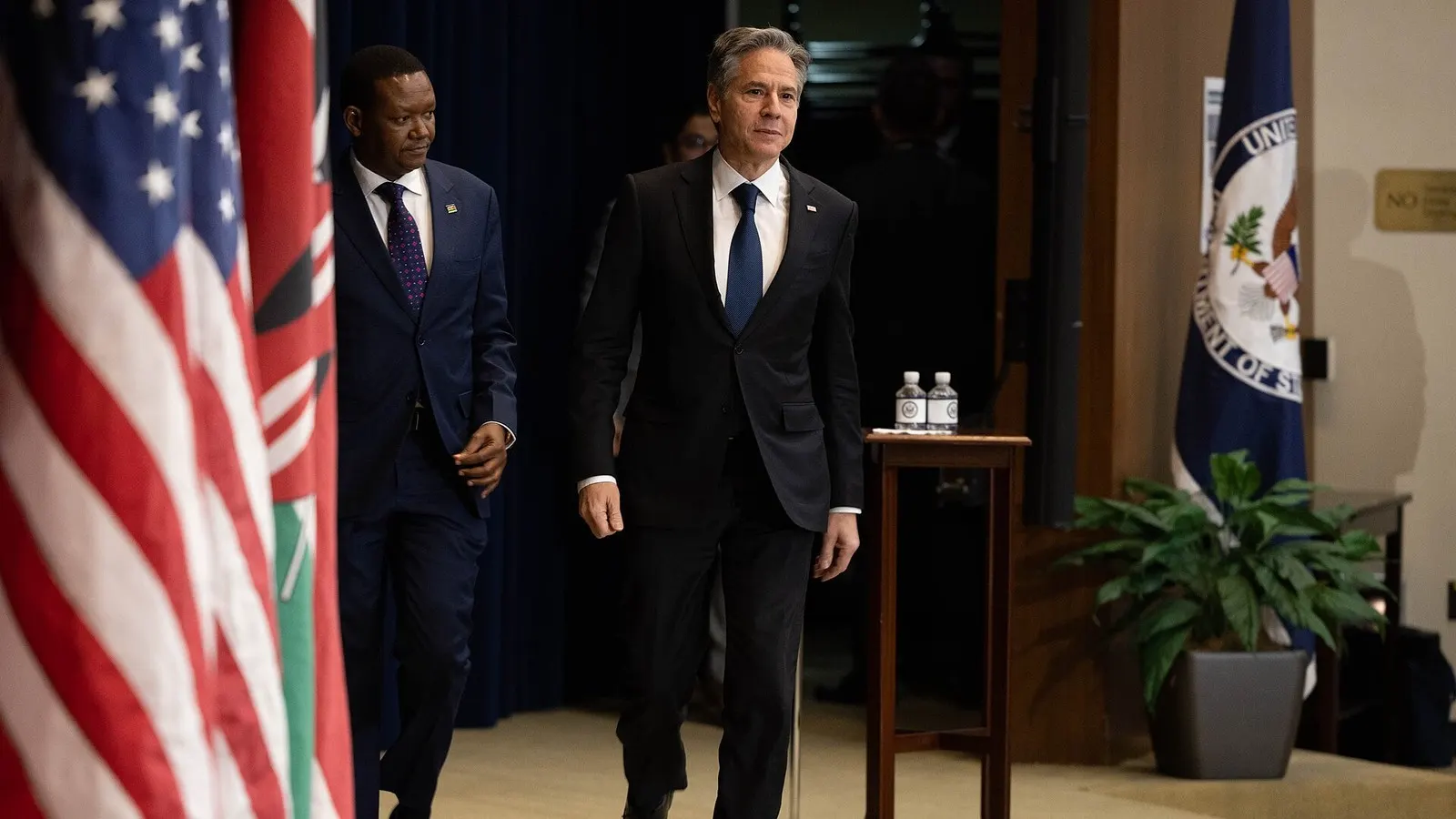
Former Secretary of State Antony Blinken warned Saturday that a U.S. ground invasion of Iran would be an "absolute disaster." The following day, Iran reported a drone attack on a U.S. base in Bahrain.
Blinken, who served under President Biden, said airstrikes alone might not destroy Iran's weapons capabilities. He spoke at the 24th Hindustan Times Leadership Summit in New Delhi.
"You'd probably have to have a land invasion of some kind to do that, which would be an absolute disaster," Blinken said.
He pointed to Iran's large territory, a population of roughly 90 million and weapons production deep within the country. Iran is roughly four times the size of California.
"The weapons that it continues to produce are back far enough, the range is great enough that you can't just take everything out," Blinken said.
A day later, Iran's Islamic Revolutionary Guard Corps said six drones had targeted a U.S. air defense radar system at Bahrain's Al-Rifaa helicopter base, Fox News reported, citing a Reuters account of Iranian state media. The Guard described the strike as retaliation for "hostile US actions."
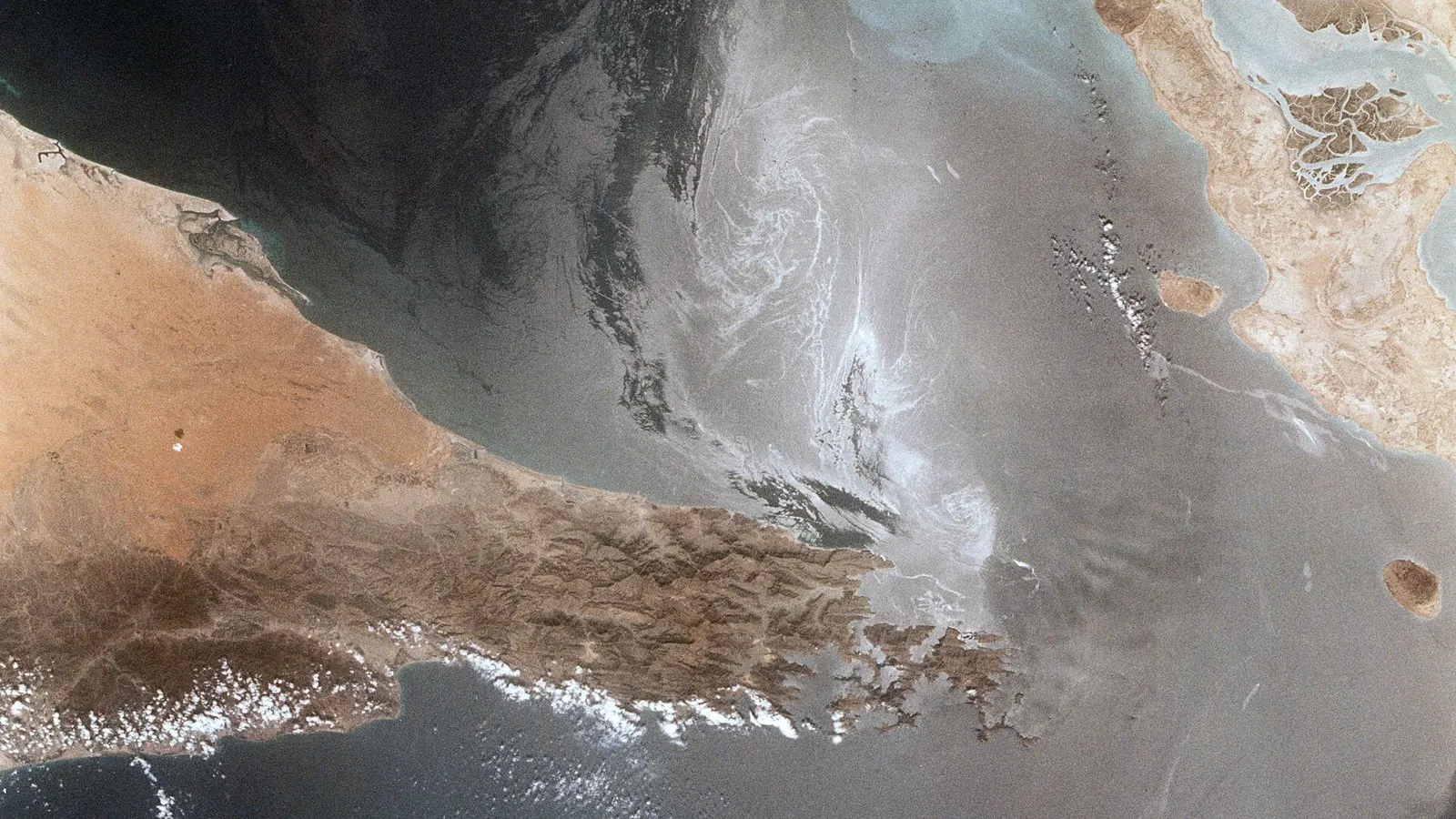
Bahrain said its air defenses stopped several Iranian aerial attacks Sunday, the first such interceptions since September. Bahraini officials said the drones were intercepted before they reached their targets.
Any damage or casualties from the attack were not immediately clear, and it was also unclear whether the U.S. government is planning or considering a ground operation against Iran.
Blinken said Iran can widen the confrontation despite U.S. conventional military superiority. He said Washington can "escalate vertically" through heavier bombing, while Tehran can "escalate horizontally" against U.S. bases, regional allies and infrastructure, either directly or through allied armed groups.
"Even though we're much more powerful, that asymmetry in their ability to escalate horizontally as opposed to vertically is not to our advantage," Blinken said.
Iraqi officials have opposed proposals for sharp limits on trade and movement across their roughly 1,000-mile border with Iran. Fox News reported that the United States demanded Baghdad shut all except two land crossings with Iran.
In a France 24 interview published Nov. 13, Iraqi Foreign Minister Fuad Hussein said those restrictions were "not possible" and "a kind of sanction against the Iraqi people." He said the current "no war and no peace" situation cannot last and the confrontation "either goes towards peace or it goes towards war." Iraq has already been drawn into the conflict, Hussein said, giving Baghdad a responsibility to pursue diplomatic mediation.
U.S. Central Command is expanding Task Force Iron Gate to block Iranian shipments of advanced weapons and dual-use technologies, as well as illicit revenue flows, over land borders and the Caspian Sea.