Canada's Carney reports trade progress with Trump but says no deal yet
Carney said Canada would not accept a deal that undermines its auto sector, which faces a 25% U.S. tariff.
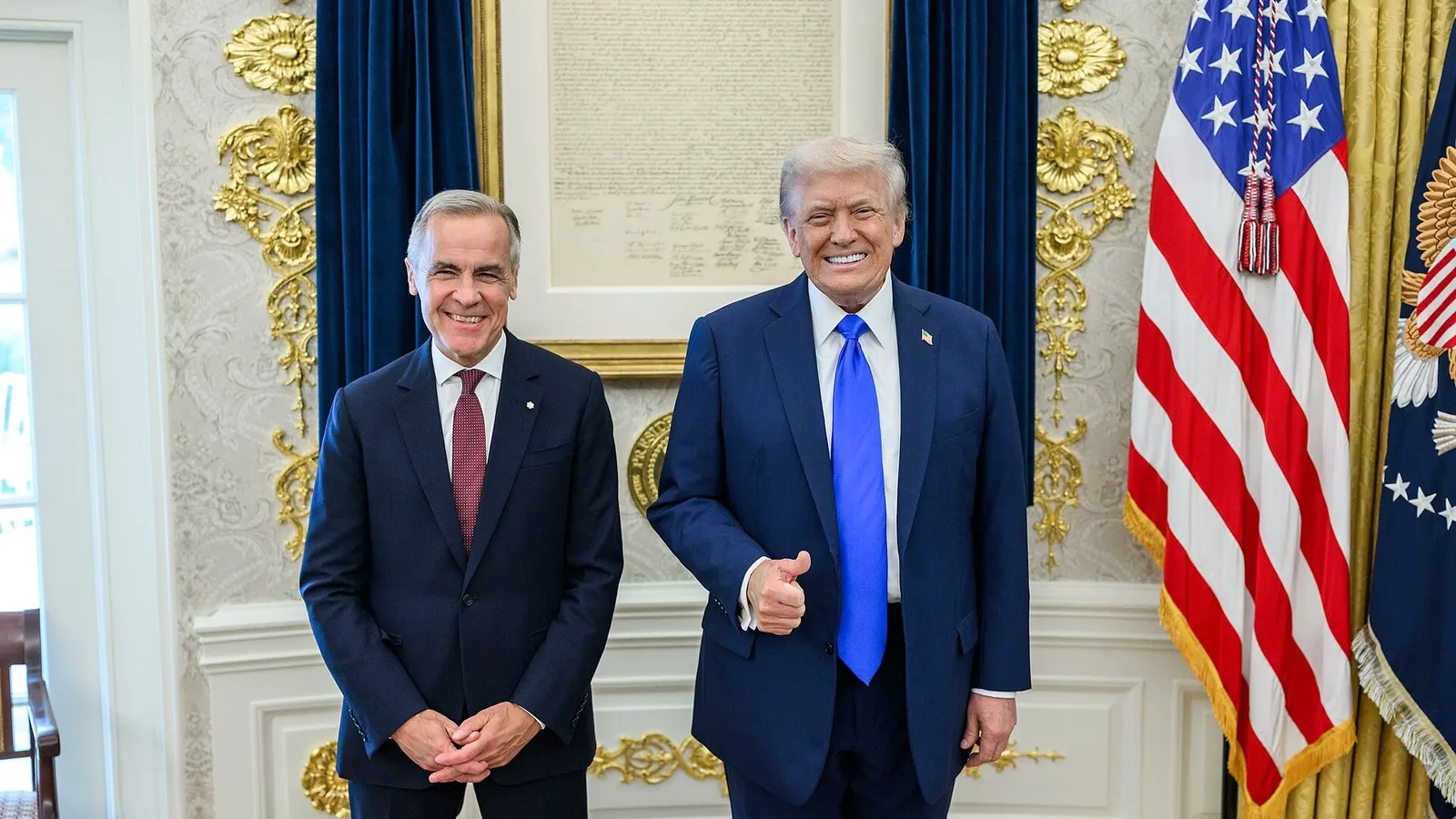
Canadian Prime Minister Mark Carney said Saturday that trade talks with the U.S. had advanced after a long call with President Donald Trump, but the countries had not reached a deal.
Speaking to reporters in Manila, the Philippines, Carney said Canada would not accept an agreement inconsistent with "a viable Canadian auto sector." The industry normally sends nearly 90% of its production to the United States, according to The Globe and Mail.
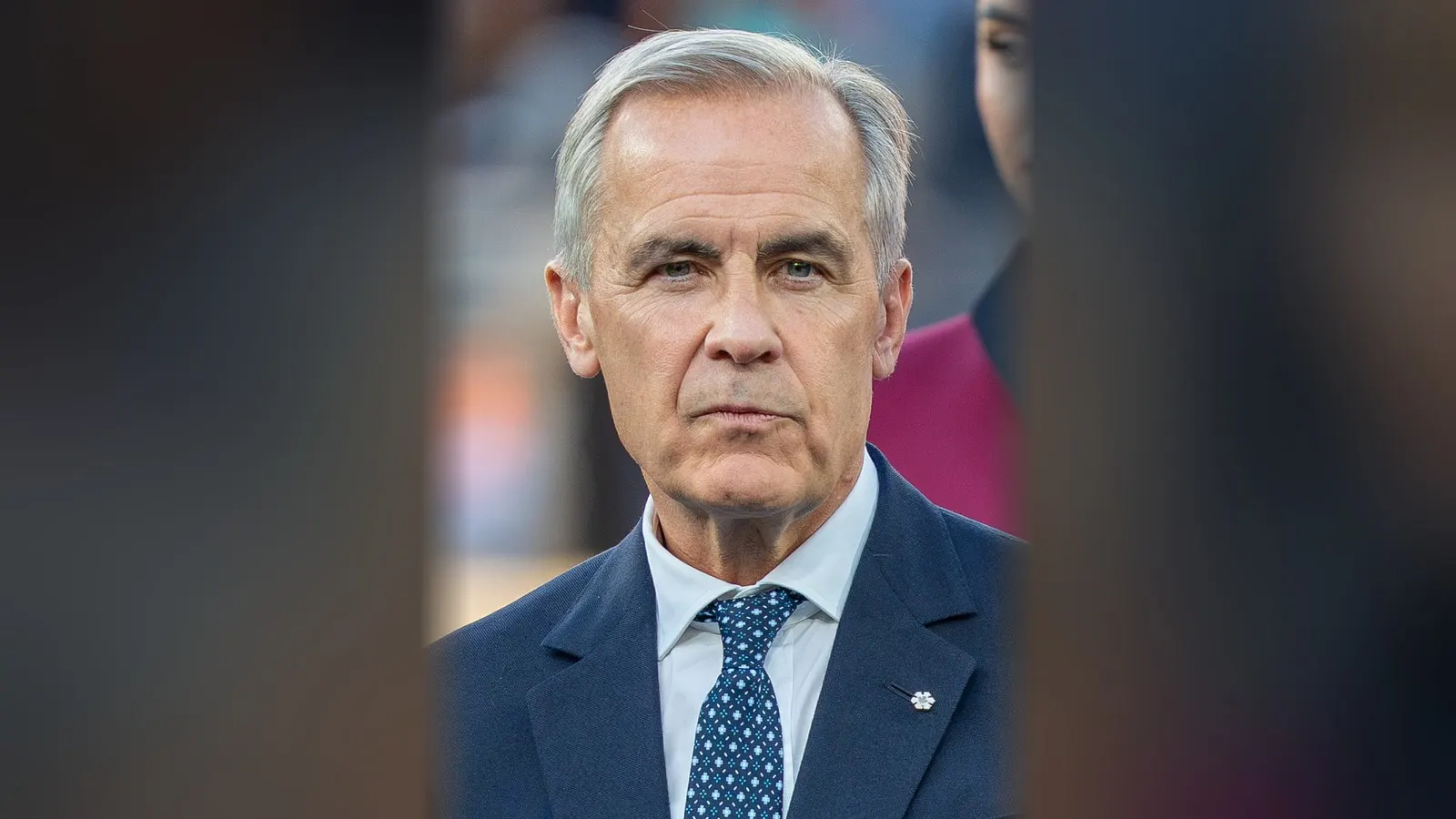
"There is a possibility of a deal, a bilateral deal, but we’re not yet there," Carney said.
Carney said earlier that, shortly before starting his current trip, he spoke with Trump and senior U.S. officials, including White House Chief of Staff Stephen Miller and U.S. Trade Representative Jamieson Greer. In Manila, he described the call as a "long, substantive conversation."
The Trump administration's view of the talks was not immediately known.
Auto industry in the negotiations
Carney said the Canadian auto industry's sustainability was non-negotiable and depended on continued access to the U.S. market. He described autos as both a fundamental issue in the negotiations and one of the most challenging.
"As I say, we’re making progress. We’re not there yet," he said.
Carney said the American industry also has an interest in the outcome, since its "longer-term competitiveness" depends on several factors, "including the degree of integration with the Canadian auto sector."
The Globe and Mail said Carney envisages a bilateral agreement that would reduce U.S. tariffs now applied to steel, aluminum and autos. The newspaper said he also reported progress on United States-Mexico-Canada Agreement, or USMCA, terms that would allow Canadian auto production to remain profitable.
A 25% U.S. tariff applies to Canadian-made autos, with an exception for U.S. parts in those vehicles.
Canadian passenger car and light truck exports to the U.S. dropped nearly 12% in value from 2024 to 2025, and are on course to fall further this year.
Canada left the negotiations in August after Carney said the Trump administration had made eleventh-hour demands Ottawa would not accept. The Globe said Washington had proposed cutting the headline auto tariff to 15% under a broader deal reducing Section 232 sectoral tariffs on several key Canadian industries in exchange for Canadian concessions.
Many Canadian auto industry figures rejected the proposal and welcomed Carney's departure from the talks, though the Globe said the decision left the sector with an unsustainable status quo.
The U.S. imposed 50% tariffs on $20 billion worth of Canadian exports after Canada walked away, The Hill reported. Canada retaliated, and Canadian officials pledged to match U.S. duties dollar for dollar.
"There’s lots of people who think that we should just go and take whatever deal," Carney said.
The government faces pressure to protect auto jobs as Stellantis seeks to sell its idled Brampton, Ontario, plant to an armored vehicle manufacturer.
On Friday, Industry Minister Mélanie Joly said Ottawa, the Ontario government and the plant workers' union had offered Stellantis an aggressive package and were "in solution mode to prevent the sale" to defense contractor Roshel Inc.
"The details of that and the implications of that will come out in due course," Carney said of the package.
Trade agreements in Asia
At the Manila news conference, Carney announced that Canada had substantially concluded free-trade negotiations with the Association of Southeast Asian Nations, or ASEAN, and completed separate talks with the Philippines. ASEAN is a bloc of nearly 700 million people.
Carney said the announcements were part of a strategy of "developing a dense web of reliable partners" and "reducing our relative reliance on the United States."
Canada is ahead of schedule on its goal of doubling non-U.S. exports in under 10 years, Carney said. He said almost one in three Canadian export dollars now comes from outside the U.S., a 40-year high.
Carney spoke before ASEAN's three-day summit in Manila, which Trump is scheduled to attend, The Hill reported.