

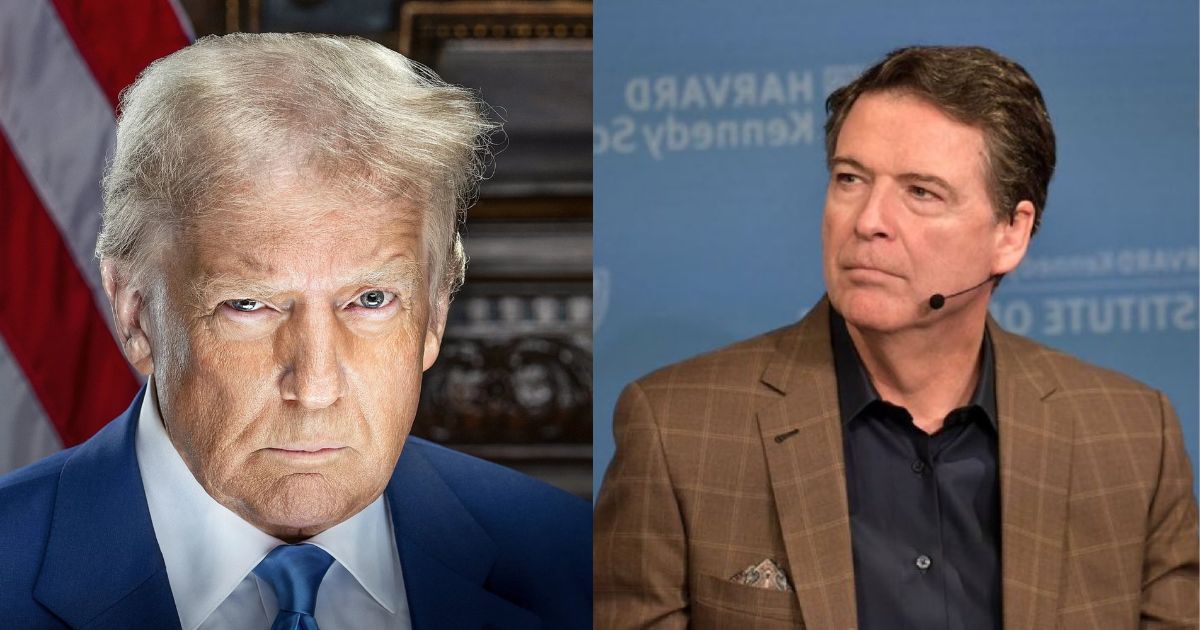
Former FBI Director James Comey came out swinging on Friday, firing off a scathing motion that accuses Donald Trump and his handpicked prosecutor of engineering a legally impossible indictment built on “fundamental errors in the grand jury process.” It is the latest, and easily the sharpest, effort by Comey’s legal team to shut down the criminal case against him once and for all.
The sweeping 29 page motion argues that Trump pushed prosecutors past the breaking point in a rush to beat the statute of limitations, resulting in a case that Comey’s lawyers say is invalid on its face. “Those errors reflect the reckless and ill conceived nature of this prosecution:
“A president intent on prosecuting Mr. Comey before the statute of limitations expired directed the appointment of a White House aide, Lindsey Halligan, as interim U.S. Attorney, and she then rushed to secure an indictment while flagrantly violating basic grand jury rules in the process,” the motion reads. “Those grand jury errors warrant dismissal twice over.”
It continues: “After receiving news of the indictment, the President rejoiced and congratulated Ms. Halligan for successfully carrying out his bidding,” the motion says, drawing a direct line between Trump’s pressure and the alleged breakdown in legal procedure.
Comey’s team has reason to sense an opening because just days before the filing, Halligan made a startling admission in open court that has rocked the case. She and another prosecutor acknowledged that the operative two count indictment was never shown to the full grand jury at all. Instead of presenting a new indictment after one of the original three counts failed, the Justice Department removed the dead count and had the grand jury foreperson sign a substitute document that the full panel never saw.
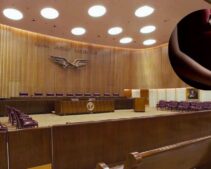
This procedural change was first flagged by U.S. Magistrate Judge William Fitzpatrick, prompting U.S. District Judge Michael Nachmanoff to dig deeper. According to a courtroom report, he asked directly whether “the second indictment, the operative indictment in this case that Mr. Comey faces, is a document that was never shown to the entire grand jury or presented in the grand jury room.” Assistant U.S. Attorney Tyler Lemons did not back down. “Standing here in front of you, Your Honor, yes, that is my understanding,” he replied.
Former FBI Director James Comey has filed motion to dismiss the case against him for grand jury violations. The lengthy motion filed on Friday states, “the indictment should be dismissed with prejudice based on misconduct before the grand jury.”
Comey’s defense cites U.S.… pic.twitter.com/0vHbrFRZPh
— CBS News (@CBSNews) November 21, 2025
Comey’s attorneys argue that this mistake should be the end of the legal battle, arguing that “The case should be dismissed because the grand jury never approved the operative indictment,” the motion states. Without a legally approved indictment, they say, the statute of limitations has already run out.
The Justice Department tried to clean up the mess on Thursday, filing a notice insisting that a transcript from a prior session “conclusively refutes” the claim and proves the grand jury properly voted on the indictment. But Comey’s attorneys dismissed the attempt as too little and too late, saying the government’s argument “contradicts numerous other representations” and rests on an overreading of a vague exchange between a magistrate judge and the grand jury foreperson.
They also raised alarms about allegedly missing grand jury minutes, arguing that gaps in the transcript cast doubt on the DOJ’s entire effort to backfill its story. If the presentment was properly done, they ask, where is the recording?
The motion ends with a call to action, effectively asking the judge to put Trump himself on notice. The filing warns that the government “has committed a series of flagrant legal violations” and that only a dismissal with prejudice will stop prosecutors from “continuing to pursue this deeply flawed effort.” It then delivers its most pointed line: “The Judiciary is a vital bulwark against this Administration’s intolerable abuse of executive power; it should fulfill that role by dismissing this profoundly unjust and unconstitutional prosecution with prejudice.”