


For more than a decade, digital publishing has lived and died by the algorithm. A single tweak to Facebook’s feed or Google’s search ranking could send a site’s traffic soaring or cut it in half overnight. Sports media, once thriving on viral highlights, SEO spikes, and short-lived surges from Google Discover, became especially vulnerable to that volatility. The audiences were massive, but they never really belonged to the publishers themselves.
Now, that era is fading.
As ad models fracture and “Google Zero” looms, a future where search results increasingly answer queries directly without driving traffic elsewhere, publishers are asking a new question: what does a sustainable relationship with the audience actually look like?
The answer, surprisingly, may lie in one of the oldest digital tools around: the inbox.
The Quiet Rebalancing of Sports Media
Across sports media, the newsletter has become a kind of reset button. What started as an email roundup is now the front line of fan engagement, a place where publishers can build trust, loyalty, and habit. All these qualities social media platforms have made increasingly hard to achieve.
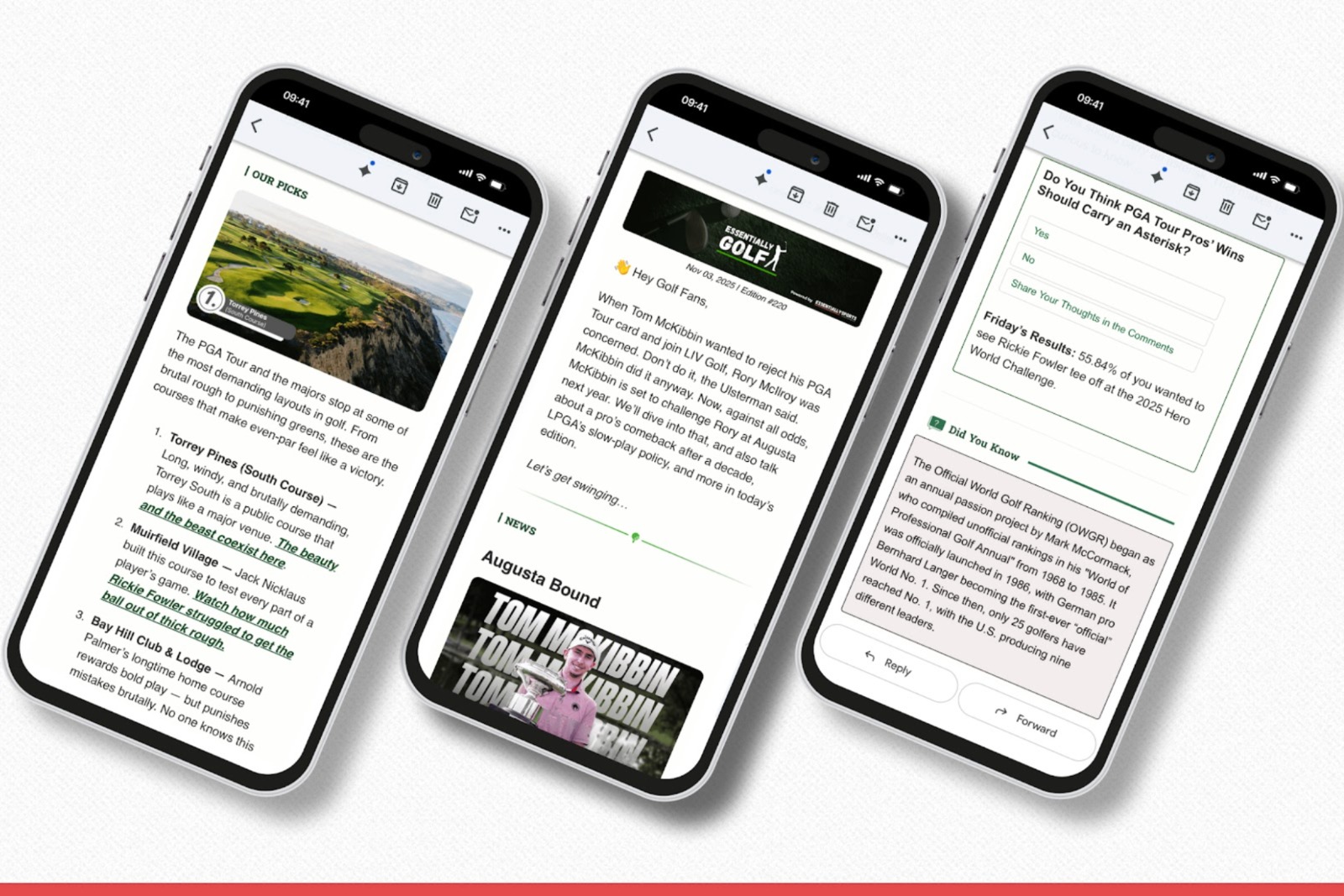
One of the companies at the forefront of this shift is EssentiallySports, a US based digital sports media brand that has quietly built one of the largest owned sports newsletter networks in the industry. The company now runs ten distinct newsletters across sports like NASCAR, tennis, golf, MMA, women’s basketball, the NBA, and track and field reaching over 1.5 million subscribers, all organically grown without spending any dollars on acquisition. Much of that growth has been powered by the brand’s power users who return daily, consuming dozens of pieces each month and forming the backbone of the organic expansion. It’s a rare feat in a space where many publishers have come to depend on paid acquisition.
When Engagement Became the Real Metric
The pivot didn’t happen overnight.
EssentiallySports was founded more than a decade ago and built a loyal audience of millions through deep, daily coverage across 14 sports. But as algorithms tightened, the team noticed something: high traffic didn’t always equal meaningful engagement.
“We had spent years building one of the most loyal sports audiences on the internet. We had millions of readers who loved our content,” said EssentiallySports CEO and co-founder Harit Pathak. “But that loyalty was being mediated by platforms. To truly serve our fans and to scale sustainably, we needed a model where we owned the relationship.”
It’s a lesson that echoes what Bleacher Report co-founder Dave Nemetz once described as the “leaky bucket” problem. In a viral essay, Nemetz recalled how Bleacher Report grew fast on SEO and search spikes until they realized most visitors never came back. “We were filling the top of the funnel every month,” he wrote, “but the audience leaked out. The next month, we’d have to start all over again.”
Nemetz later also joined EssentiallySports as an advisor, helping the brand shape its long-term newsletter and audience strategy.
For EssentiallySports, it sparked a similar rethink and the breakthrough came from an unexpected place: NASCAR
The NASCAR Experiment That Changed the Playbook
In early 2024, EssentiallySports launched Lucky Dog on Track, a newsletter designed for NASCAR fans who wanted more than results and stats, they wanted storytelling. The name itself came from a racing term that symbolizes a comeback: the “lucky dog” is the driver who earns a lap back after falling behind.
“In a way, it mirrored the sport’s digital moment,” Pathak said. “NASCAR had always had heart and history, it just needed a comeback in the modern sports conversation.”
The newsletter quickly became that comeback story. Blending nostalgia, humor, and fan-driven conversation, Lucky Dog on Track crossed 100,000 subscribers in just a few months.
That success set the tone for an entire network of niche newsletters, each built around a specific fan identity rather than a generic sports audience. The company began designing its newsletters as experiences, ones that mimic community. Polls, fan shoutouts, comment sections, and recurring segments helped readers feel part of something living, not just reading headlines.
A Broader Signal for the Industry
What’s happening at EssentiallySports mirrors a larger recalibration across digital media. As ad markets shrink and AI reshapes how audiences find information, publishers are rediscovering the basics: trust, voice, and habit.
Other sports publishers have started following suit, but EssentiallySports’ decade-long digital footprint and editorial experience have given it a head start and a unique vantage point on where the industry is heading.