

ICE agents have been watching schools and child care centers across Minnesota, causing concern among families and educators. This comes less than two weeks after an ICE officer shot 37-year-old Renee Nicole Good in Minneapolis, according to the Star Tribune.
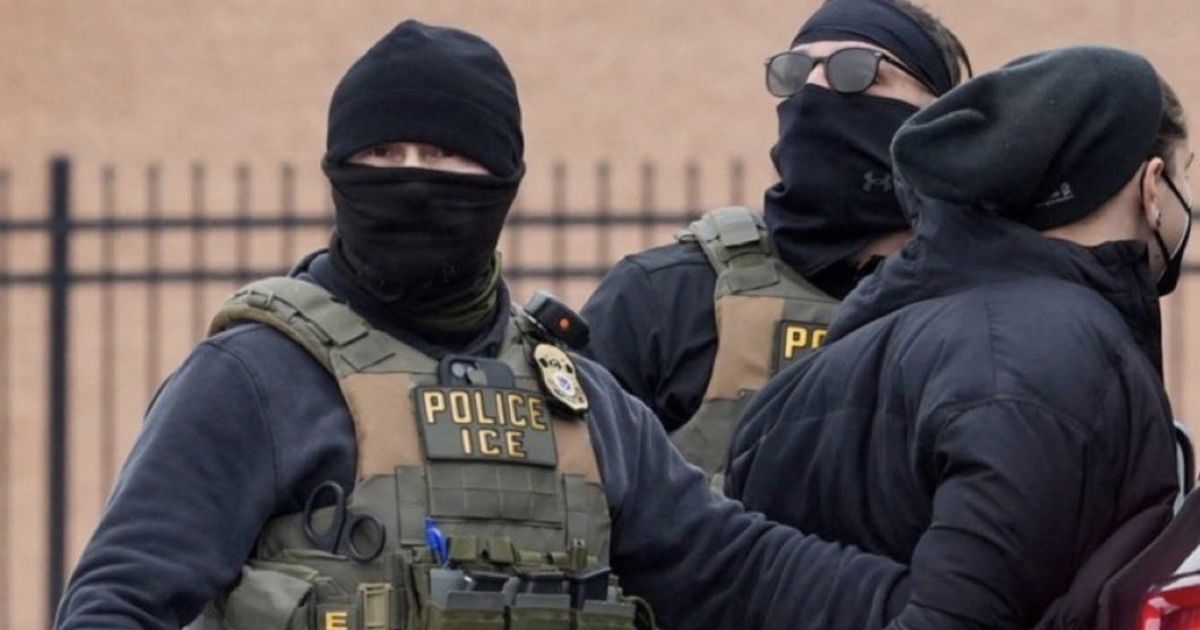
The newspaper reported that agents, dressed in tactical gear and covered faces, have been spotted near day cares and schools in the Twin Cities area. They often wait in unmarked vehicles during drop-off and pickup times. Parents and staff reported encounters where armed agents approached them while they were bringing children to school.
In one case outside a daycare in St. Louis Park, a parent confronted people he believed were ICE agents parked nearby. A police report summarized by Bring Me The News noted that these individuals threatened to use pepper spray before leaving when local officers arrived. “The reporting party stated that the vehicle occupants appeared to be ICE officers,” the police department wrote. They also advised the individual to file a complaint with the Department of Homeland Security and requested extra patrols in the area.
The Star Tribune also stated that ICE agents arrested a teacher outside Jardin Spanish Immersion Academy in Minneapolis, even though the teacher held a valid work permit valid until 2030. This arrest heightened anxiety among parents and school officials, who said immigration enforcement near schools disrupts learning and puts children at risk.
In Robbinsdale, ICE agents arrested a parent while the individual waited with a child, according to CBS News Minnesota. The Star Tribune mentioned that agents also stopped two vans transporting students and staff on their way to school. This expanded enforcement beyond targeted arrests to actions that directly affect daily school operations.
School and daycare operators told the Star Tribune they struggle to reassure families while dealing with what they describe as an unpredictable enforcement climate. Some centers reported a drop in attendance as parents kept children home, fearing immigration agents would show up again.
There are no words. ICE agents ate lunch at a small local Mexican restaurant in Minnesota, enjoyed their meal, then came back later that night as the restaurant was closing down and arrested the people who had served them. pic.twitter.com/AiCzp49d8d
— Aaron Reichlin-Melnick (@ReichlinMelnick) January 16, 2026
This increased activity follows the January 7 shooting of Good by an ICE officer in Minneapolis. Federal officials claimed the officer acted in self-defense, while emergency records described multiple gunshot wounds and unsuccessful resuscitation efforts. The incident led to protests and heightened scrutiny of immigration enforcement practices in Minnesota.
Minnesota’s situation is the latest surge by ICE operations as the Deportation Data Project at the University of California, Berkeley found that roughly 75,000 people with no criminal record were arrested by ICE between January and October 2025. Researchers noted that the agency increasingly conducted arrests in communities instead of at local jails, which has led to more confrontations during enforcement actions.
The Trump administration has defended its strategy. On Truth Social, President Donald Trump blamed Minnesota’s Democratic leadership for unrest related to immigration enforcement. He claimed that “troublemakers” and “agitators” had overwhelmed local officials and warned that federal intervention would be “quick and effective” if he deemed it necessary.
DHS has not announced a policy prohibiting enforcement near schools or day cares. Federal guidelines from previous administrations discouraged such actions in “sensitive locations,” but those guidelines have been rolled back or narrowed under Trump.
Educators and parents interviewed by the Star Tribune said the presence of immigration agents near schools has disrupted daily routines and left families unsure of their safety. As investigations into Good’s death continue, the increased ICE activity around child-focused spaces has become a key issue in the larger debate over immigration enforcement practices and their limits.