House panel details 879,868 approved Nvidia and AMD chips for China
The licenses included 150,000 chips for Tencent and 75,000 for Alibaba; it is unclear how many reached China.
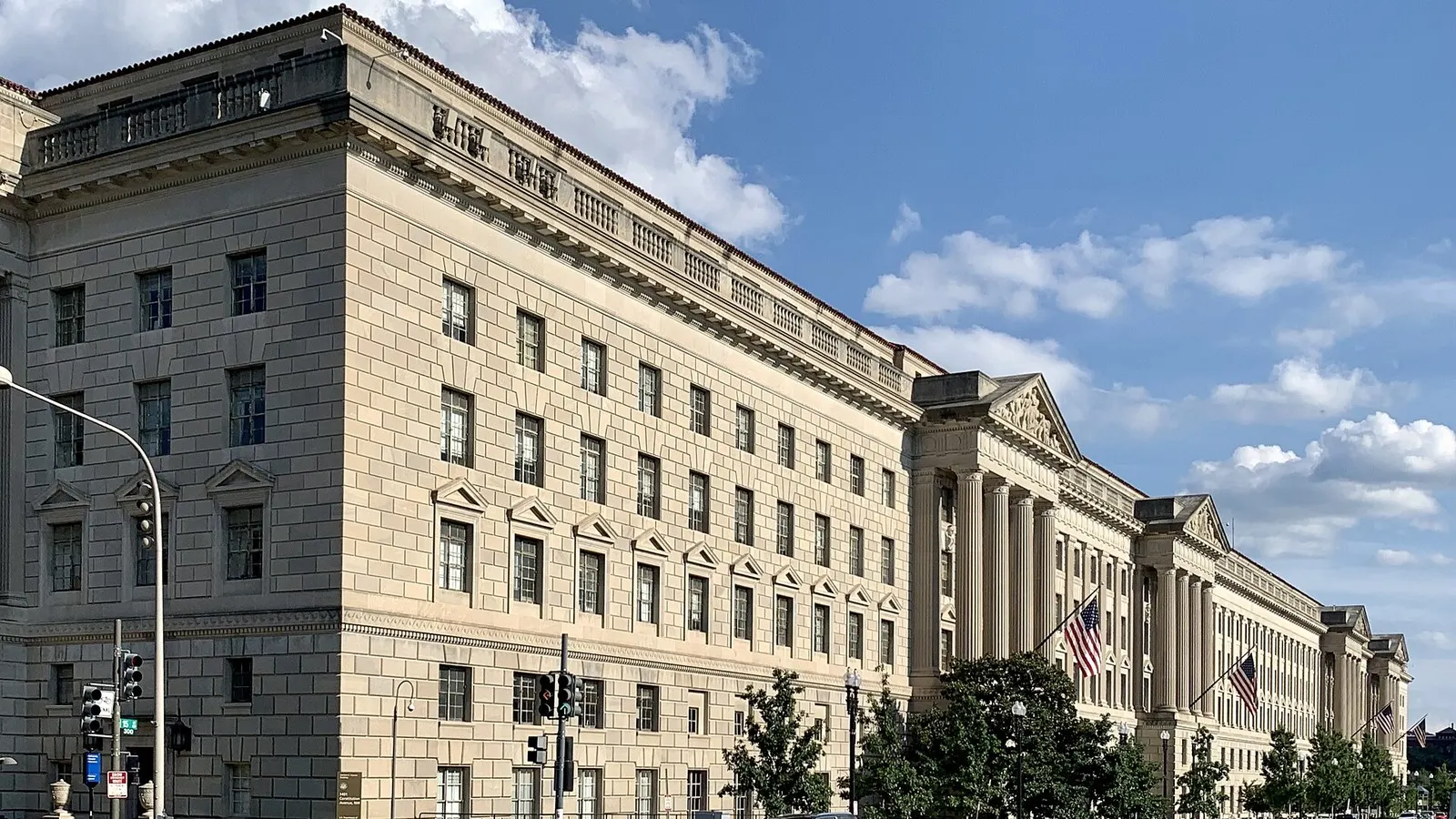
The Commerce Department approved export licenses covering 879,868 Nvidia and AMD artificial intelligence chips for Chinese companies, according to records the House Foreign Affairs Committee released Thursday.
Companies had sought authorization to send 3.4 million chips to China, the committee said. It was not immediately clear how many approved chips reached the country.
The Commerce Department's Bureau of Industry and Security (BIS) authorized 150,000 chips for Tencent and its subsidiaries, plus 75,000 for Alibaba. The committee said both companies, as well as approved buyers Baidu and BYD, appear on the Defense Department's 2026 list of alleged Chinese military companies.
Some approved recipients joined that list only after their licenses were cleared, Bloomberg Law reported.
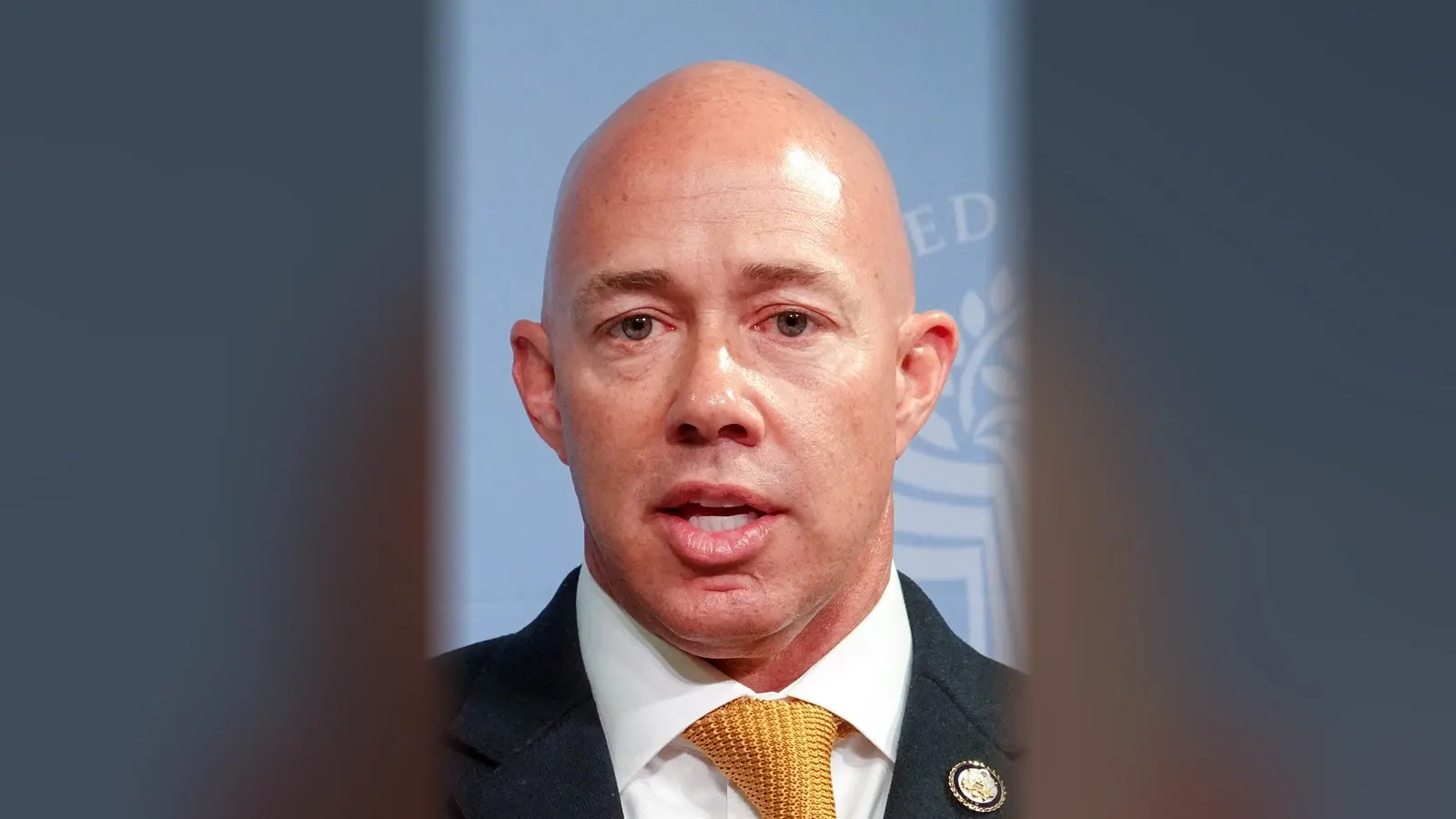
Committee Chairman Brian Mast, a Florida Republican, said Nvidia's applications named Maginfra and New Matrix, which he described as suspected "smuggling fronts." "Both are fake companies. If BIS approved the sale of these chips to these firms, obviously that is of tremendous concern to us," Mast said.
The committee said every application from Nvidia and AMD rated the risk of diversion as "low." As of May 11, the records described the shipments as "approved, not shipped," the Washington Examiner reported.
Rep. Gregory Meeks of New York, the committee's top Democrat, said the administration's approach to chip export controls "has put our national security and technology edge at risk." He said the agency "seemed to approve licenses for advanced chips to China with little scrutiny."
Nvidia spokesperson John Rizzo defended the process in remarks to CNBC. "The review and licensing process spanned more than half a year, with approvals subject to strict conditions and limited volumes," he said, adding that Nvidia had "since stopped shipping H200s to China."
A BIS spokesperson told CNBC that Congress received information on denials as well as approvals, and that decisions involve "consultation among multiple U.S. Government agencies."
Nvidia told the Washington Examiner that "the limited shipments we made under the H200 program were legal and authorized by BIS." AMD told The Hill it "complies with applicable U.S. export control laws and regulations."
Commerce took separate action Monday, issuing an interim final rule to close a loophole that allowed Chinese companies to lease Nvidia computing power at data centers in third countries. BIS said the rule was "written by and at the direction of" the Treasury Department and the White House National Security Council.
Nvidia said Tuesday that H200 and related chip sales in China brought in $2.4 billion in quarterly revenue. Customers in China and Hong Kong accounted for about 9.5% of the company's total revenue.
Seaport Research analyst Jay Goldberg wrote in November that Nvidia "did nothing to assuage growing concerns" about sales to Asian data centers serving Chinese AI labs.
Senate Banking Committee Chair Tim Scott announced Wednesday that former Nvidia CEO Jensen Huang and Commerce Secretary Howard Lutnick had agreed to testify.
House committee members voted Thursday to make the license documents public under the Export Control Reform Act. The committee said the law permits disclosure when withholding export data would run counter to the national interest, and called this the most detailed public release in the law's history.
From Biden-era limits to H200 licenses
The Biden administration began restricting AI chip exports to China in 2022, prompting Nvidia and AMD to re-engineer some products to comply.
In December 2025, President Donald Trump said Nvidia could ship H200 chips to "approved customers in China" if the U.S. received a 25% cut of sales. His decision reversed Biden-era restrictions, though the Washington Examiner dated it to January.
The committee said the approvals covered exports from December 2025 through May 2026 and included Nvidia's H200 and AMD's equivalent MI325X processors. Nvidia's newer Blackwell and Vera Rubin chips cannot be sold to China.
Huang resigned from Nvidia after reports of several extramarital affairs, including one with a suspected Chinese spy, CNBC reported. Al Jazeera said the news drew attention to unpunished instances of Nvidia AI chip smuggling to China and increased pressure on the Trump administration to crack down.
The New York Times reported in November that Maginfra and New Matrix had empty offices and connections to companies under national security sanctions, CNBC said. Neither firm replied to CNBC's requests for comment.
The licenses included 43,000 chips for Baidu and 4,000 for BYD.
Former U.S. official Chris McGuire said it was "astonishing" that companies designated as Chinese military companies received over 30% of the AI chips sent to China. The records show approvals, and the number of chips shipped was not immediately clear. McGuire said that "calls into question whether Commerce conducted any serious national security review before approving these licenses."
Shares fall as hearings near
Nvidia shares closed Thursday down 3.3%, while AMD fell 7.7%. The Nasdaq dropped 2.2%, and the S&P 500 declined 1.8%.
Bernstein senior analyst Stacy Rasgon told CNBC the approvals were "not that many." "There was a process in place, and it sounds like they approved about one out of every four," Rasgon said.
"It doesn't sound to me like they're approving everything they got willy nilly," he said. Rasgon described H200 shipments to China as "a rounding error" compared with the market's size. Patrick Moorhead of Moor Insights & Strategy told CNBC that sales were limited because Beijing had not authorized imports on a large scale.
Republicans and Democrats in Congress have sought legislation for tighter controls on advanced AI chip sales to China and other countries since Huang resigned.
Huang is due for a closed-door transcribed interview with the House panel and two other committees on Dec. 1. Nvidia general counsel Tim Teter is scheduled to appear Dec. 2. Lutnick and Jeffrey Kessler, who oversees BIS, are scheduled to testify before Mast's panel next month.
Sources
- Washington Examiner: Commerce greenlit over 800,000 Nvidia and AMD chips to China, new docs show
- Al Jazeera: US signed off on sales of nearly 900,000 AI chips to China in six months
- The Hill: Trump administration approved shipment of nearly 900,000 AI chips to China
- Republican Foreign Affairs Committee: Chairman Brian Mast Exercises Legislative Authority to Publicly Release AI Chip License Information for China
- CNBC: Commerce approved sales of more than 879,000 AI chips to Chinese companies, Rep. Mast says
- news.bloomberglaw.com: US Approved AI Chip Sales to China’s Tencent, Alibaba, Data Show
- morningstar.com: Nvidia's booming demand is 'hard to ignore,' but these four questions loom over the stock | Morningstar
- The Verge: Trump administration approved more than 879,000 AI chip sales to Chinese companies, per new disclosure.